
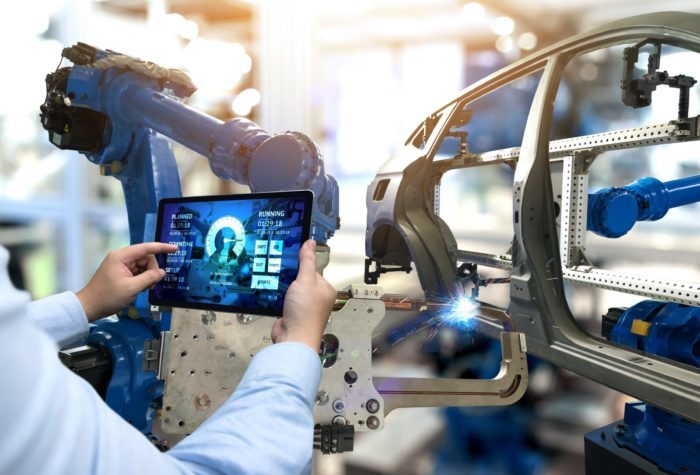
In modern manufacturing, industrial vision inspection systems have become essential for ensuring consistent quality, efficiency, and safety. These automated solutions use advanced cameras and image processing to detect defects, verify assembly, and monitor production lines in real time. As factories strive to meet higher standards and reduce human error, understanding the importance of industrial vision inspection is crucial for any business seeking to stay competitive.
Automated visual inspection not only improves product quality but also streamlines operations, reduces costs, and enhances traceability. With the rise of smart factories and Industry 4.0, integrating these systems is no longer optional—it’s a strategic necessity. For manufacturers interested in related technologies, learning about what is real-time factory monitoring can provide additional context on how digital tools are transforming production environments.
How Vision Inspection Systems Work in Manufacturing
At the core, vision inspection technology combines high-resolution cameras, specialized lighting, and image processing algorithms to analyze products as they move along the production line. These systems capture images at high speed, comparing each product to predefined standards or models. If a defect, misalignment, or missing component is detected, the system can trigger alerts, reject faulty items, or even halt the line for further investigation.
The process typically involves several steps:
- Image Acquisition: Cameras capture detailed images of products or assemblies.
- Image Processing: Software analyzes the images, looking for deviations from set parameters.
- Decision Making: The system determines if a product passes or fails based on the analysis.
- Action: Automated mechanisms sort, reject, or flag items as needed.
This approach allows for continuous, non-contact inspection at speeds and accuracy levels unattainable by human operators. For a deeper look at how digital sensors enhance this process, see how smart sensors monitor production.
Key Benefits of Automated Visual Inspection
The advantages of implementing vision inspection systems in industrial settings are significant. Here are some of the most impactful benefits:
- Consistent Quality Control: Automated systems perform inspections with the same accuracy every time, eliminating variability caused by fatigue or subjective judgment.
- Increased Throughput: High-speed cameras and processors can inspect thousands of items per minute, supporting higher production rates without sacrificing quality.
- Cost Reduction: Early detection of defects reduces waste, minimizes rework, and lowers warranty claims.
- Enhanced Traceability: Digital records of inspections provide valuable data for root cause analysis and continuous improvement.
- Improved Worker Safety: By automating hazardous or repetitive inspection tasks, companies can reduce workplace injuries and free up staff for more complex work.

Applications Across Industries
Vision inspection systems are used in a wide range of sectors, each with unique requirements and challenges. Some common applications include:
- Automotive: Checking for assembly errors, paint defects, and component presence.
- Electronics: Inspecting solder joints, PCB alignment, and component placement.
- Pharmaceutical: Verifying packaging integrity, label accuracy, and tablet quality.
- Food & Beverage: Ensuring fill levels, seal integrity, and correct labeling.
- Packaging: Detecting misprints, tears, or incorrect barcodes.
As manufacturing processes become more complex, the need for reliable, automated inspection grows. For example, in smart factories, vision systems work alongside robotics and IoT devices to create highly adaptive production lines. To learn more about the concept of a smart factory, visit this comprehensive guide to smart factories.
Role in Quality Assurance and Compliance
Maintaining strict quality standards is critical for regulatory compliance and customer satisfaction. Automated inspection systems provide objective, documented proof that products meet specifications. This is especially important in industries with tight tolerances or safety-critical components, such as aerospace and medical device manufacturing.
By integrating vision inspection with other digital tools, manufacturers can create end-to-end traceability, linking inspection results to specific batches, machines, or operators. This level of transparency supports audits, recalls, and continuous improvement initiatives.
Integrating Vision Inspection with Smart Factory Solutions
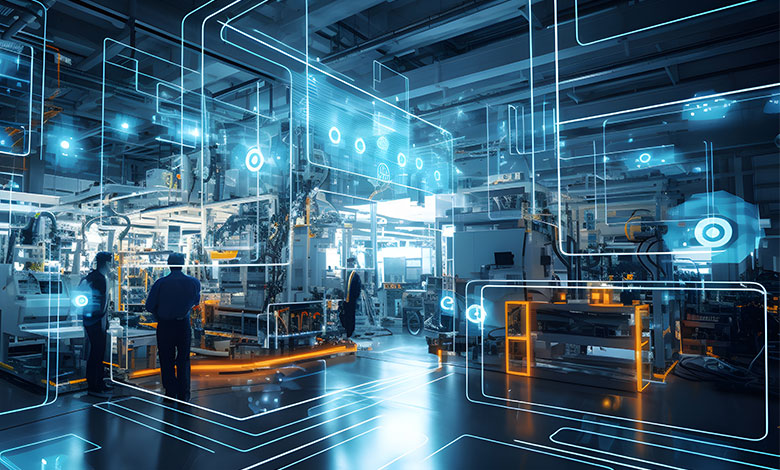
The shift toward digital manufacturing means that vision inspection is increasingly integrated with other intelligent systems. By connecting cameras, sensors, and analytics platforms, manufacturers can achieve real-time visibility and control over their operations. This integration supports predictive maintenance, adaptive process control, and rapid response to quality issues.
For example, combining vision inspection with industrial drone applications explained enables remote monitoring of large facilities, while collaborative robots can use visual feedback to adjust their actions dynamically. These capabilities are central to the evolution of smart, connected factories.
Challenges and Considerations When Adopting Vision Inspection
While the benefits are clear, implementing automated inspection does come with challenges. Factors to consider include:
- System Complexity: Designing and calibrating vision systems requires expertise in optics, lighting, and software.
- Integration: Ensuring compatibility with existing production equipment and IT infrastructure is essential.
- Cost: Initial investment can be significant, though long-term savings often justify the expense.
- Maintenance: Regular updates and calibration are needed to maintain accuracy as products or processes change.
Despite these challenges, the long-term value of automated inspection is well established. Companies that invest in these systems often see rapid returns through reduced defects, improved efficiency, and enhanced competitiveness.
Future Trends in Automated Inspection
The future of vision inspection is closely tied to advances in artificial intelligence, machine learning, and edge computing. AI-powered systems can learn to identify new types of defects, adapt to changing products, and even predict failures before they occur. These innovations promise even greater accuracy, flexibility, and scalability.
As manufacturing continues to evolve, the role of vision inspection will expand beyond quality control to include process optimization, predictive analytics, and autonomous decision-making. Staying informed about these trends is key for any organization aiming to lead in the era of smart manufacturing.
Frequently Asked Questions
What Types of Defects Can Vision Inspection Systems Detect?
Automated inspection systems can identify a wide range of defects, including surface scratches, missing components, incorrect assembly, color variations, dimensional errors, and packaging issues. The specific capabilities depend on the system configuration and the application.
How Does Vision Inspection Improve Manufacturing Efficiency?
By automating the inspection process, manufacturers can increase production speed, reduce downtime, and minimize waste. Early detection of issues prevents defective products from reaching customers and allows for quick corrective action.
Is It Difficult to Integrate Vision Inspection with Existing Equipment?
Integration can vary in complexity depending on the production environment and the chosen system. Many modern solutions are designed for compatibility with a range of equipment and can be customized to fit specific needs. Working with experienced vendors and planning for integration early in the process helps ensure a smooth transition.
Conclusion
Embracing automated vision inspection is a strategic move for manufacturers seeking to enhance quality, efficiency, and competitiveness. As technology advances, these systems will play an even greater role in shaping the future of production. For those looking to further optimize their operations, exploring topics like factory energy efficiency explained and how collaborative robots work in factories can provide valuable insights into the broader landscape of smart manufacturing.