
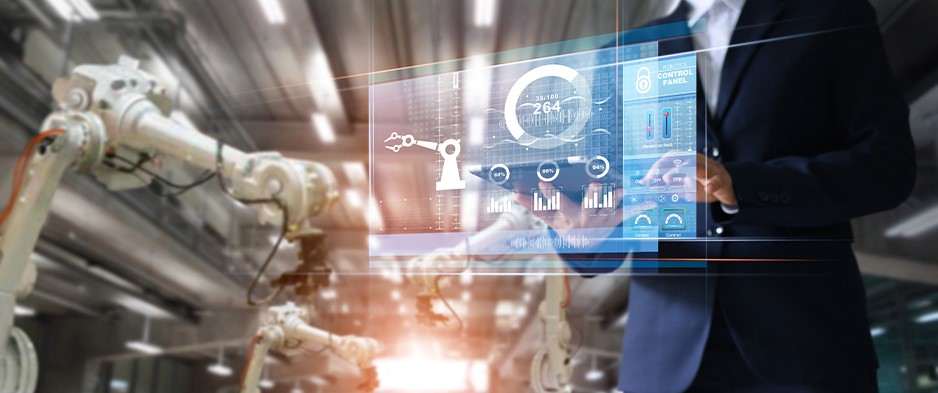
The manufacturing sector is undergoing a rapid transformation as factories adopt advanced automation and artificial intelligence. Intelligent machines are now at the heart of this evolution, enabling companies to streamline operations, reduce costs, and improve product quality. Understanding how intelligent machines optimize production is essential for manufacturers looking to stay competitive in a fast-changing landscape.
These smart systems leverage data, sensors, and machine learning to make real-time decisions, adapt to changing conditions, and enhance every stage of the production process. As a result, businesses can achieve higher efficiency, minimize downtime, and respond quickly to market demands. For those interested in the broader context of digital transformation in factories, exploring what is real-time factory monitoring provides valuable background on the technologies driving these improvements.
Key Technologies Behind Smart Manufacturing
The foundation of modern production optimization lies in a blend of hardware and software innovations. Artificial intelligence, machine learning, and the Industrial Internet of Things (IIoT) work together to create a connected, adaptive environment. Here are some of the core technologies enabling these advancements:
- Smart sensors: These devices collect real-time data on temperature, vibration, humidity, and more, providing the raw information needed for analysis and decision-making.
- Robotics and automation: Robots equipped with AI can handle repetitive or dangerous tasks, improving safety and consistency.
- Predictive analytics: By analyzing historical and real-time data, intelligent systems can forecast equipment failures and schedule maintenance proactively.
- Connected platforms: Cloud-based solutions allow for centralized monitoring and control, making it easier to manage complex operations across multiple sites.
For a deeper dive into how sensors contribute to these improvements, see how smart sensors monitor production for practical examples and use cases.
Ways Intelligent Systems Streamline Production
The integration of smart machines into manufacturing brings a range of benefits that directly impact productivity and profitability. Here’s how these systems deliver value:
- Process automation: Machines can perform tasks with minimal human intervention, reducing errors and speeding up workflows.
- Quality control: Vision systems and AI algorithms inspect products in real time, catching defects early and ensuring consistent standards.
- Resource optimization: Intelligent scheduling and inventory management help minimize waste and ensure materials are used efficiently.
- Energy management: Smart systems monitor and adjust energy consumption, contributing to sustainability and cost savings. For more on this, explore factory energy efficiency explained.
Real-Time Data and Adaptive Decision-Making
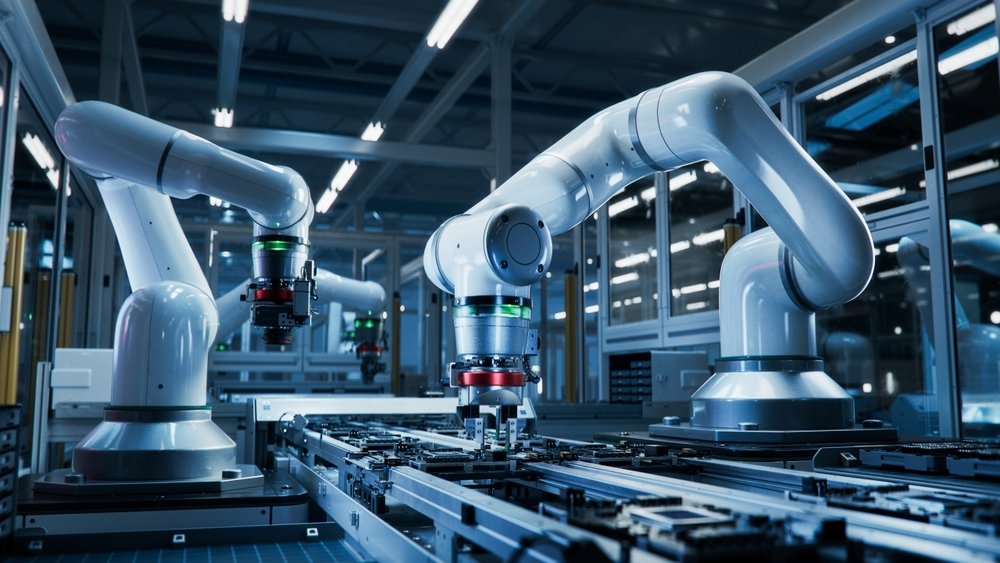
One of the most significant advantages of smart manufacturing is the ability to make decisions based on live data. Machines equipped with advanced analytics can detect anomalies, adjust parameters, and even halt production lines if issues are detected. This real-time responsiveness minimizes downtime and prevents costly defects.
For instance, if a sensor detects unusual vibration in a motor, the system can alert maintenance staff or automatically shut down the equipment to prevent further damage. This predictive approach is a key element in modern production environments, ensuring both safety and efficiency.
Collaboration Between Humans and Machines
While automation is central to smart factories, human expertise remains vital. Collaborative robots, or cobots, are designed to work alongside people, handling repetitive or strenuous tasks while allowing workers to focus on higher-level problem-solving. This synergy boosts productivity and job satisfaction.
To learn more about the role of cobots in today’s factories, see how collaborative robots work in factories, which explores their applications and benefits.

Smart Factories and the Future of Manufacturing
The concept of the smart factory represents the next stage in industrial evolution. These facilities use a network of connected machines, sensors, and software to create a flexible, self-optimizing production environment. According to this overview of smart factory principles, the goal is to enable seamless communication between all parts of the operation, from supply chain to final assembly.
As more manufacturers adopt these technologies, the benefits become clearer: faster time-to-market, greater customization, and the ability to respond to customer needs in real time. Drones, for example, are increasingly used for inventory management and equipment inspection. For more on this trend, see industrial drone applications explained.
Challenges and Considerations in Implementing Smart Systems
While the advantages of intelligent automation are substantial, there are also challenges to consider. Integrating new technologies with legacy equipment can be complex and may require significant investment. Data security and privacy are critical, as connected systems can be vulnerable to cyber threats.
Additionally, workforce training is essential to ensure that employees can effectively collaborate with new systems. Companies must foster a culture of continuous learning and adaptability to fully realize the potential of smart manufacturing.
Best Practices for Adopting Intelligent Automation
To successfully implement advanced production technologies, manufacturers should follow these best practices:
- Start with clear goals: Define what you want to achieve, such as reducing downtime, improving quality, or increasing throughput.
- Assess current capabilities: Evaluate existing equipment and processes to identify integration points for new technologies.
- Invest in training: Equip your workforce with the skills needed to operate and maintain smart systems.
- Prioritize cybersecurity: Protect your data and infrastructure with robust security protocols.
- Monitor and adapt: Continuously track performance metrics and be ready to adjust strategies as needed.
FAQ: Intelligent Machines and Production Optimization
What are the main benefits of using intelligent machines in manufacturing?
The primary advantages include increased efficiency, reduced operational costs, improved product quality, and enhanced flexibility. Smart systems enable real-time monitoring, predictive maintenance, and adaptive decision-making, all of which contribute to a more resilient and responsive production environment.
How do intelligent machines help reduce downtime?
By continuously monitoring equipment and analyzing performance data, intelligent systems can predict potential failures and schedule maintenance before breakdowns occur. This proactive approach minimizes unplanned downtime and keeps production lines running smoothly.
Is it difficult to integrate smart technologies with existing factory equipment?
Integration can be challenging, especially in facilities with older machinery. However, many modern solutions are designed to work alongside legacy systems. Careful planning, phased implementation, and investing in compatible technologies can ease the transition and maximize the benefits of automation.