
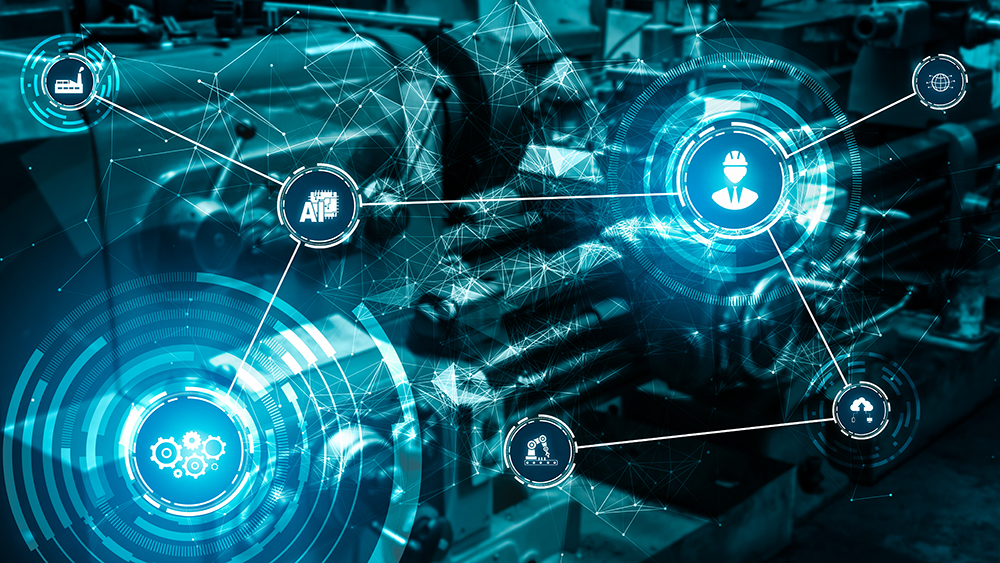
The manufacturing landscape is rapidly evolving as digital transformation takes hold. Modern production facilities are no longer limited to isolated machines and manual oversight. Instead, they leverage advanced technologies to gather, analyze, and act on information as events unfold. Understanding how smart factories collect real-time data is essential for businesses seeking to improve efficiency, reduce downtime, and stay competitive in a connected world.
This guide explores the core technologies, processes, and benefits behind real-time data acquisition in intelligent manufacturing environments. We’ll also highlight practical examples and point you to further resources for a deeper dive into this critical topic.
For a comprehensive overview of the benefits and mechanics of live monitoring in industrial settings, see what is real-time factory monitoring.
Key Technologies Enabling Data Collection in Intelligent Manufacturing
The backbone of real-time information gathering in advanced production facilities is a network of interconnected devices and systems. These components work together to ensure that data flows seamlessly from the shop floor to decision-makers. Here are the most important technologies powering this transformation:
- Industrial Internet of Things (IIoT): Sensors, actuators, and controllers embedded throughout the facility capture metrics such as temperature, vibration, throughput, and energy usage. These devices communicate over secure networks, providing a constant stream of operational insights.
- Edge Computing: Processing data close to its source allows for rapid analysis and response, minimizing latency and reducing the load on central servers.
- Cloud Platforms: Centralized data storage and analytics platforms aggregate information from multiple sources, enabling advanced reporting, predictive maintenance, and remote monitoring.
- Machine Vision and AI: Cameras and artificial intelligence algorithms inspect products, monitor processes, and detect anomalies in real time.
- Smart Sensors: These advanced devices not only measure physical parameters but also preprocess and transmit data for immediate action. Learn more about their role in how smart sensors monitor production.
Data Flow: From Sensors to Actionable Insights
The process of capturing and utilizing live information in a modern production environment involves several distinct steps. Each stage is crucial for transforming raw signals into meaningful intelligence that drives operational improvements.
- Data Acquisition: Sensors and devices continuously gather information from machines, assembly lines, and environmental conditions.
- Transmission: Collected data is sent via wired or wireless networks to edge devices or gateways for initial processing.
- Processing and Filtering: Edge computing systems analyze and filter the incoming stream, discarding irrelevant or redundant data and prioritizing critical events.
- Centralized Analysis: Relevant information is transmitted to cloud platforms or on-premises servers for deeper analytics, visualization, and storage.
- Action and Feedback: Insights are delivered to operators, managers, or automated systems, enabling immediate adjustments, maintenance scheduling, or quality control interventions.
Benefits of Real-Time Data Collection in Production Facilities
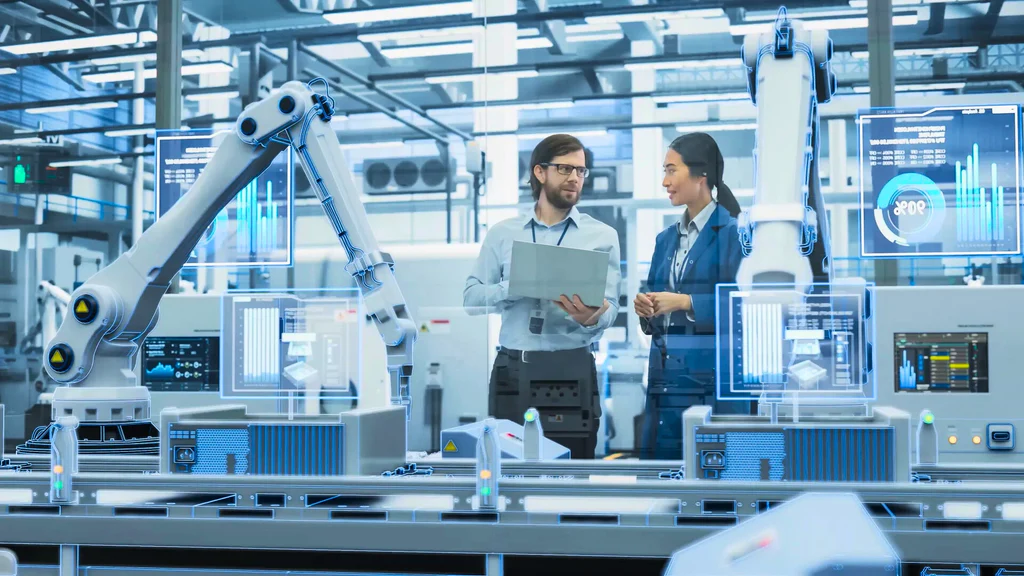
Harnessing live information from the factory floor delivers significant advantages. Facilities that implement these systems can expect:
- Increased Uptime: Early detection of equipment issues allows for predictive maintenance, reducing unexpected breakdowns and costly downtime.
- Enhanced Quality Control: Immediate feedback on production parameters enables rapid adjustments, minimizing defects and waste.
- Resource Optimization: Monitoring energy consumption and material usage in real time supports sustainability and cost-saving initiatives. For more on this, see factory energy efficiency explained.
- Agile Decision-Making: Managers and operators can respond quickly to changing conditions, supported by up-to-date dashboards and alerts.
- Improved Safety: Environmental sensors and automated alerts help prevent accidents and ensure compliance with safety standards.
Common Data Types Captured in Modern Manufacturing
The variety of information collected in a connected production environment is vast. Here are some of the most common categories:
- Machine Health: Vibration, temperature, pressure, and operating hours for predictive maintenance.
- Production Metrics: Output rates, cycle times, downtime, and yield percentages.
- Quality Data: Measurements from vision systems, defect tracking, and process deviations.
- Environmental Conditions: Humidity, air quality, and temperature within the facility.
- Energy Consumption: Real-time monitoring of electricity, gas, and water usage.
Integrating Robotics and Automation for Seamless Data Flow
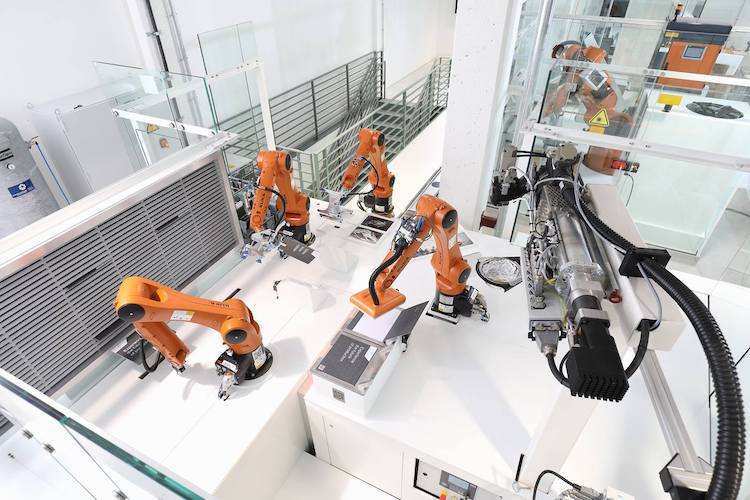
Collaborative robots, or cobots, and automated guided vehicles (AGVs) are increasingly common in smart production environments. These machines are equipped with their own suite of sensors and connectivity options, feeding live information into the broader data ecosystem. To learn more about their role, see how collaborative robots work in factories.
By integrating robotics with other connected systems, manufacturers can automate repetitive tasks, monitor performance, and coordinate workflows with minimal human intervention. This not only boosts productivity but also ensures that every action is tracked and optimized in real time.
Challenges and Considerations in Implementing Live Data Systems
While the advantages of real-time data collection are clear, deploying these systems is not without challenges. Manufacturers must address several key considerations:
- Data Security: Protecting sensitive operational information from cyber threats is paramount. Secure networks, encryption, and regular audits are essential.
- Interoperability: Integrating legacy equipment with modern IIoT devices can be complex. Open standards and modular solutions help bridge the gap.
- Scalability: As facilities grow, data systems must be able to handle increased volume and complexity without performance degradation.
- Workforce Training: Employees need to understand how to interpret and act on live information, requiring ongoing education and support.
For a technical overview of the concept and its broader implications, refer to this detailed explanation of smart factories.
Future Trends in Real-Time Data for Manufacturing
As technology continues to advance, the ways in which production facilities gather and use live information will evolve. Key trends include:
- Artificial Intelligence and Machine Learning: Deeper integration of AI for predictive analytics, anomaly detection, and autonomous decision-making.
- 5G Connectivity: Ultra-fast wireless networks enabling more devices and higher data throughput.
- Digital Twins: Virtual models of physical assets that mirror real-time status and performance.
- Greater Use of Drones: For inventory tracking, equipment inspection, and safety monitoring. Explore more in industrial drone applications explained.
FAQ: Real-Time Data in Advanced Manufacturing
What types of sensors are most commonly used for live data collection?
Facilities typically use temperature, vibration, pressure, proximity, and optical sensors. These devices monitor everything from machine health to product quality, providing a comprehensive view of operations.
How does real-time data improve maintenance strategies?
By continuously monitoring equipment conditions, predictive maintenance becomes possible. Issues are detected early, allowing repairs before failures occur, which reduces downtime and maintenance costs.
Is it difficult to retrofit older factories with real-time data systems?
While integrating new technologies with legacy equipment can be challenging, modular IIoT solutions and open communication protocols make it increasingly feasible. Many manufacturers start with pilot projects and scale up as needed.