
Understanding the distinction between motion blur vs camera shake is essential for photographers aiming to capture sharp, dynamic images. Both phenomena can result in blurred photos, but their causes, visual effects, and solutions are quite different. Recognizing these differences helps you troubleshoot issues in your photography and make creative choices with confidence.
Whether you’re a beginner learning the basics or an experienced photographer refining your technique, knowing how to identify and control these types of blur can elevate your work. We’ll explore what sets them apart, how to spot each in your images, and practical strategies to minimize unwanted blur while maximizing creative possibilities.

For those interested in how these principles apply to industrial and manufacturing settings, you may want to read about the importance of industrial vision inspection and how precise imaging impacts quality control.
Understanding Motion Blur in Photography
Motion blur occurs when a moving subject is captured with a slow shutter speed, causing the subject to appear streaked or smeared in the direction of movement. This effect is often intentional, used to convey speed, energy, or a sense of action within a still image. Photographers use motion blur creatively in genres like sports, street, and landscape photography.
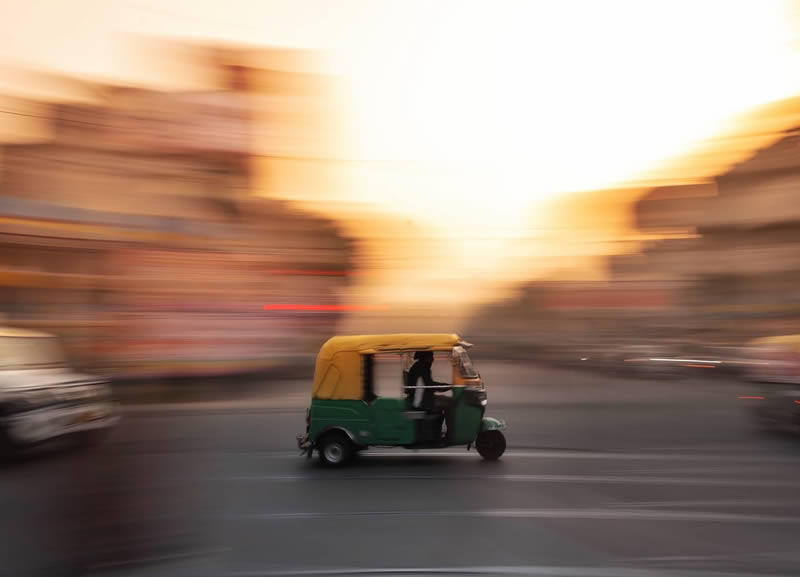
The key to motion blur is that the camera itself remains steady while the subject moves. For example, when photographing a car racing by, a slow shutter speed (such as 1/30s or slower) will blur the car’s movement, but stationary objects in the frame will remain sharp if the camera is held still or mounted on a tripod.
- Cause: Movement of the subject during exposure
- Appearance: Streaks or trails following the direction of subject movement
- Creative use: Panning, long exposures, light trails, and dynamic action shots
For more tips on using this effect, see this guide to capturing motion blur in photography.
What Is Camera Shake?
Camera shake is a type of blur caused by unintended movement of the camera itself during the exposure. Unlike motion blur, which is related to subject movement, camera shake affects the entire image, making everything appear blurry or doubled. This is especially common when shooting handheld at slow shutter speeds or using longer focal lengths without stabilization.
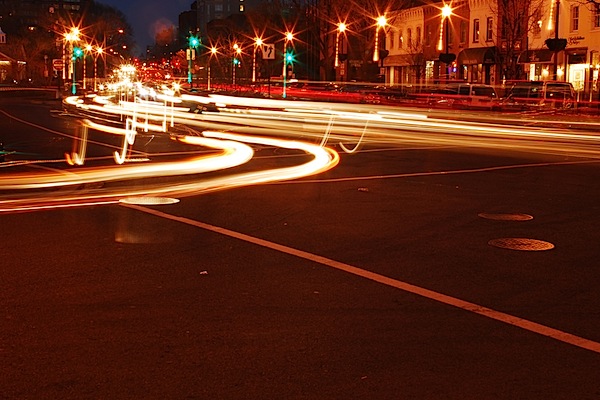
Camera shake is generally undesirable and can ruin otherwise well-composed shots. It’s most likely to occur in low-light conditions or when using heavy lenses without proper support. Unlike motion blur, this type of blur is not directional to the subject’s movement but rather appears as a general softness or ghosting across the whole frame.
- Cause: Movement of the camera during exposure
- Appearance: Uniform blur or double images affecting the entire photo
- Prevention: Use of tripods, image stabilization, or faster shutter speeds
Comparing Motion Blur and Camera Shake
When evaluating motion blur vs camera shake, it’s important to recognize their distinct characteristics. While both result in a loss of sharpness, the patterns and causes differ significantly. Understanding these differences helps you diagnose issues and apply the right solutions.
| Aspect | Motion Blur | Camera Shake |
|---|---|---|
| Source | Subject movement | Camera movement |
| Appearance | Streaks in direction of subject | Overall softness or double images |
| Control | Adjust shutter speed, panning | Stabilize camera, use faster shutter |
| Creative Use | Often intentional | Rarely intentional |
How to Identify Each Type of Blur
Distinguishing between these two types of blur is crucial for troubleshooting and improving your photography. Here are some practical tips:
- Look at the direction: If only the moving subject is blurred and the background is sharp, it’s likely motion blur. If the entire image is soft, camera shake is probably the cause.
- Check the pattern: Motion blur usually follows the path of the subject, while camera shake may show a double image or general fuzziness in all directions.
- Review your settings: Slow shutter speeds increase the risk of both, but if you used a tripod and only the subject is blurred, it’s motion blur.
Preventing Unwanted Blur in Your Photos
Minimizing blur starts with understanding its source. Here are some actionable strategies for each:
Reducing Motion Blur
- Use a faster shutter speed to freeze action.
- Increase ISO or open the aperture to allow for quicker exposures in low light.
- Try panning with the subject to keep it sharp while blurring the background for a sense of speed.
- Use burst mode to increase your chances of capturing a sharp frame.
Minimizing Camera Shake
- Mount your camera on a tripod or stable surface.
- Enable image stabilization if your camera or lens supports it.
- Use a remote shutter release or self-timer to avoid pressing the shutter button by hand.
- Follow the “reciprocal rule”: use a shutter speed at least as fast as 1/focal length (e.g., 1/100s for a 100mm lens).
When to Use Blur Creatively
Not all blur is bad. In fact, motion blur is often used intentionally to add drama or a sense of movement to photographs. Techniques like panning, long exposures of waterfalls, and light painting rely on controlled blur for artistic effect. Camera shake, on the other hand, is rarely desirable, but some experimental photographers may use it for abstract results.
The key is to understand the tools and techniques that allow you to decide when and how to use blur, rather than letting it happen by accident.
FAQ
Can I fix motion blur or camera shake in post-processing?
While some software tools can reduce the appearance of blur, significant motion blur or camera shake is difficult to correct after the fact. Prevention through proper technique is far more effective than relying on editing.
What shutter speed should I use to avoid camera shake?
A good rule of thumb is to use a shutter speed at least as fast as the reciprocal of your lens’s focal length. For example, with a 50mm lens, use 1/50s or faster. Image stabilization can help, but using a tripod is the most reliable solution.
Is motion blur always a bad thing?
Not at all. Motion blur can be used creatively to convey movement, speed, or emotion. The important thing is to be intentional—use it as a tool, not as an accident.
How can I tell if my photo is blurred from motion or camera shake?
Examine the blur pattern: if only moving objects are blurred and the rest is sharp, it’s likely motion blur. If the whole image is soft or doubled, camera shake is the probable cause.