
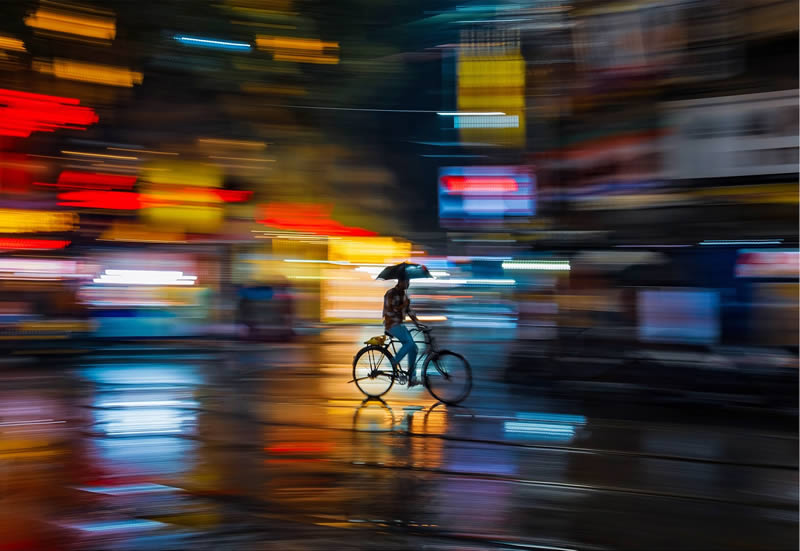
Capturing movement in photography often involves a delicate balance between showing motion and keeping your subject sharp. The motion blur freezing subject technique is a creative approach that lets you highlight action while ensuring your main subject stands out crisp and clear. This method is popular in sports, street, and creative portrait photography, offering dynamic results that draw the viewer’s eye directly to the subject.
In this article, you’ll learn how to master this approach, including camera settings, practical tips, and common mistakes to avoid. If you’re looking for more inspiration or want to see how other photographers use blur creatively, check out these motion blur composition examples for a variety of styles and ideas.
Understanding the Concept: Isolating a Sharp Subject in Motion
At its core, this technique involves using a slower shutter speed to capture the movement of the background or surrounding elements, while keeping your main subject sharply in focus. The result is a striking image where the subject appears frozen against a blurred backdrop, emphasizing speed, direction, or energy.
The most common way to achieve this is through panning—moving your camera in sync with the moving subject. When done correctly, the subject remains clear, and the background streaks with motion blur, creating a sense of dynamism and storytelling.
Essential Camera Settings for Freezing a Subject with Motion Blur
Getting the right settings is crucial for this style of photography. Here’s what to focus on:
- Shutter Speed: Use a moderately slow shutter speed, typically between 1/15 and 1/125 of a second. The exact speed depends on how fast your subject is moving and the effect you want.
- Continuous Autofocus (AI Servo/AF-C): Set your camera to track the subject as it moves, ensuring sharp focus throughout the motion.
- Burst Mode: Shooting in continuous mode increases your chances of capturing the perfect moment when the subject is sharp.
- Stabilization: If your lens or camera has image stabilization, use the panning mode (if available) to help reduce unwanted shake.
- Manual or Shutter Priority Mode: These modes give you direct control over shutter speed, which is key for this effect.
Step-by-Step Guide: Applying the Motion Blur Freezing Subject Technique
- Choose Your Subject and Setting: Look for a subject moving across a relatively uncluttered background, such as a cyclist, runner, or car.
- Set Your Camera: Select a shutter speed that’s slow enough to blur the background but fast enough to keep the subject sharp. Start with 1/30 or 1/60 of a second and adjust as needed.
- Position Yourself: Stand parallel to the path of your subject’s movement. This maximizes the blur effect in the background.
- Begin Panning: As the subject approaches, lock focus using continuous autofocus and smoothly follow their motion with your camera. Keep your movement steady and consistent.
- Take Multiple Shots: Use burst mode to capture several frames in quick succession. Review your images and select the one where the subject is sharpest.
For more technical tips on camera settings, the motion blur settings for beginners guide offers a deeper look at how to optimize your camera for different scenarios.
Creative Uses and Artistic Variations
While panning is the most common approach, there are other ways to combine motion blur with a sharp subject:
- Flash Freeze: Use a slow shutter speed with a burst of flash. The flash freezes the subject while the ambient light blurs the background, creating a dramatic effect.
- Light Painting: In low light, move a light source or have your subject hold a light while you use a long exposure. The subject can remain still for sharpness, while the light trails add motion.
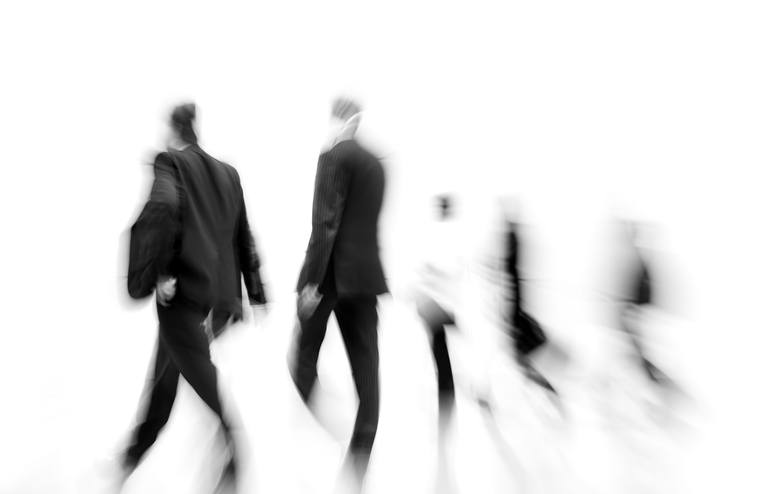
- Zoom Blur: During a long exposure, zoom your lens in or out to create radial blur around a stationary subject.

Common Mistakes and How to Avoid Them
- Shutter Speed Too Slow: If your shutter is too slow, the subject will blur along with the background. Increase the speed slightly until you find the right balance.
- Unsteady Panning: Jerky or inconsistent camera movement can ruin the effect. Practice smooth, steady panning to improve your results.
- Poor Focus: Make sure your autofocus is set to continuous tracking. Pre-focus on the area where you expect the subject to be for better accuracy.
- Busy Backgrounds: Cluttered or distracting backgrounds can take attention away from your subject. Look for simple, uniform backgrounds when possible.
Further Learning and Inspiration
If you want to see how this approach is used in cinematic or creative photography, the motion blur cinematic photography guide explores advanced techniques and artistic applications. For real-world comparisons, the motion blur before and after examples highlight the dramatic difference this method can make.
For a technical breakdown of how motion blur affects visuals in both photography and CGI, this in-depth article on motion blur and its impact on visuals provides valuable context and examples.
FAQ
What is the ideal shutter speed for capturing a sharp subject with a blurred background?
The best shutter speed depends on your subject’s speed and the amount of blur you want. Generally, speeds between 1/15 and 1/125 of a second work well. Start with 1/60 and adjust based on your results.
Do I need special equipment for this technique?
No special gear is required. Most modern cameras and lenses are suitable. However, a camera with good autofocus tracking and a lens with image stabilization can help improve your results.
Can I use this method in low light conditions?
Yes, but you may need to increase your ISO or use a wider aperture to compensate for the slower shutter speed. In very low light, consider using a flash to freeze your subject while allowing ambient light to create the blur.
How can I practice to improve my panning skills?
Start with subjects moving at a consistent speed, like cyclists or cars. Practice following them smoothly with your camera, taking multiple shots each time. Review your images to see where you can improve your timing and steadiness.
Are there other creative ways to use this approach?
Absolutely. Experiment with light painting, zoom blur, or combining flash with long exposures. Each variation offers a unique look and can help you develop your own style.
For more tips on sharing your results and growing your audience, the motion blur instagram photography tips article covers best practices for social media presentation.