
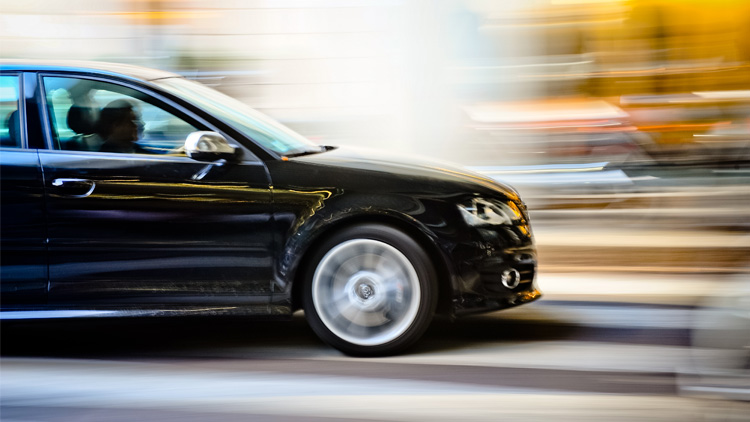
Capturing movement in a still image can add energy, emotion, and a sense of story to your photos. Whether you’re photographing bustling city streets, flowing water, or athletes in action, mastering the art of motion blur opens up a world of creative possibilities. This guide offers practical advice and actionable motion blur photography tips to help you achieve dynamic, visually compelling results—no matter your skill level or camera gear.
If you’re looking for inspiration on how to compose striking images using movement, take a look at these motion blur composition examples for fresh ideas and approaches.
Understanding Motion Blur and Its Creative Potential
Motion blur occurs when moving subjects or the camera itself shifts during exposure, causing streaks or trails in the image. While photographers often strive for sharpness, intentional blur can emphasize speed, direction, and atmosphere. Used thoughtfully, it transforms ordinary scenes into visually arresting works of art.
There are two main ways to introduce blur: by photographing a moving subject with a slow shutter speed, or by moving the camera during exposure (a technique known as panning). Both approaches require practice and experimentation to master, but the results are worth the effort.
Essential Camera Settings for Capturing Movement
The foundation of successful motion blur images lies in your camera settings. Here are some key adjustments to consider:
- Shutter Speed: Slower shutter speeds (typically between 1/10 and several seconds) allow moving elements to blur. The exact speed depends on your subject’s motion and the effect you want to achieve.
- Aperture: To compensate for longer exposures, use a smaller aperture (higher f-number) to avoid overexposure, especially in bright conditions.
- ISO: Keep ISO as low as possible to minimize noise, since longer exposures can amplify grain.
- Stabilization: Use a tripod to keep static elements sharp, or handhold the camera for creative shake effects.
For a more detailed breakdown of settings, the motion blur settings for beginners guide covers step-by-step adjustments for various scenarios.
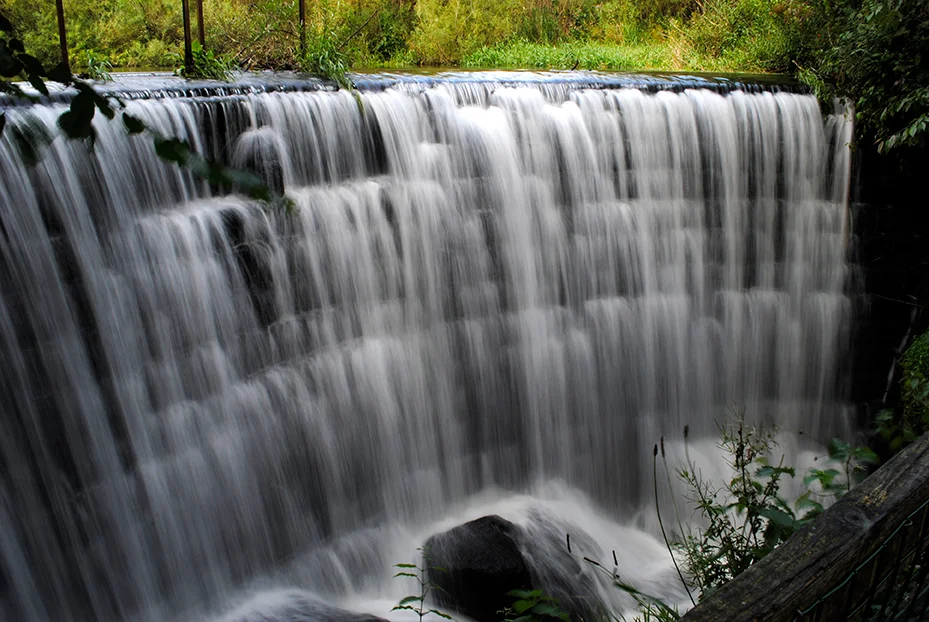
Techniques for Creative Motion Blur Effects
Applying motion blur techniques can dramatically change the mood and impact of your images. Here are some popular methods to try:
Panning for Dynamic Subject Isolation
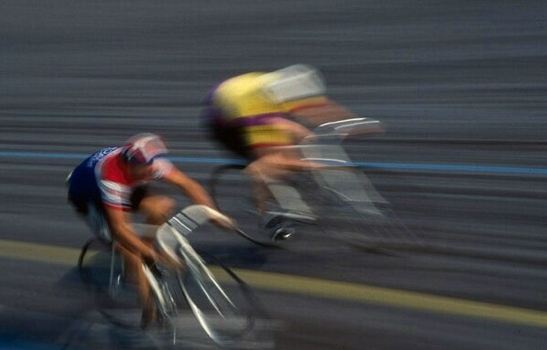
Panning involves moving your camera in sync with a moving subject—such as a cyclist or car—while using a slower shutter speed. This keeps the subject relatively sharp while blurring the background, emphasizing speed and direction. Start with a shutter speed around 1/30 or 1/60 second and adjust based on your subject’s pace.
Long Exposures for Smooth, Dreamy Effects
For scenes with continuous motion—like waterfalls, rivers, or crowds—use exposures of several seconds. This technique creates silky water, ghostly figures, or light trails. A tripod is essential for keeping stationary objects crisp. Consider using a neutral density (ND) filter to reduce light and allow for longer exposures even in daylight.
Intentional Camera Movement (ICM)
Instead of keeping your camera still, try moving it during the exposure. Vertical or horizontal sweeps, rotations, or even zooming can produce abstract, painterly images. Experiment with different motions and shutter speeds to discover unique patterns and textures.
Lighting Considerations for Blurred Images
Light plays a crucial role in motion blur photography. Bright conditions may require filters or smaller apertures to prevent overexposure during long exposures. In low light, you can take advantage of naturally longer shutter speeds, but be mindful of camera shake and noise.
Artificial lighting, such as streetlights or neon signs, can add color and interest to blurred night scenes. Combining flash with a slow shutter (known as “dragging the shutter”) can freeze part of your subject while allowing ambient motion to blur, resulting in striking contrasts.
Compositional Tips for Impactful Images
Composition is just as important as technical settings. Here are some strategies to enhance your motion blur shots:
- Lead the Eye: Use blurred lines or trails to guide viewers through the frame.
- Balance Static and Moving Elements: Contrasting sharp and blurred areas adds depth and interest.
- Frame with Purpose: Consider the direction of movement and leave space for subjects to “move into” within the image.
- Experiment with Angles: Shooting from low or high perspectives can exaggerate motion and create fresh viewpoints.
For more creative approaches, the motion blur cinematic photography guide explores advanced techniques to give your images a filmic quality.
Common Challenges and How to Overcome Them
Achieving the right amount of blur can be tricky. Here are some common issues and solutions:
- Too Much Blur: If your subject is unrecognizable, try a faster shutter speed or track the subject more smoothly during panning.
- Unwanted Camera Shake: Use a tripod or image stabilization, and release the shutter gently (or use a remote).
- Overexposure: Reduce ISO, close the aperture, or use an ND filter to allow for longer exposures without blowing out highlights.
- Focus Issues: Pre-focus on a spot where your subject will pass, or use continuous autofocus for moving subjects.
Comparing your results with motion blur before and after examples can help you fine-tune your technique and see how subtle changes impact the final image.
Post-Processing Tips for Enhanced Results
Editing can further refine your motion blur images. Adjust contrast and clarity to make blurred areas pop, and use selective sharpening to draw attention to key details. Cropping can help improve composition if the original framing didn’t quite work out.
Some photographers also use software to simulate or enhance blur, but mastering in-camera techniques will give you more authentic and satisfying results.
Further Learning and Inspiration
There’s always more to discover in the world of creative movement photography. For a deep dive into the technical and artistic aspects, check out this comprehensive guide to capturing motion blur from industry experts.
If you’re interested in sharing your work online, these motion blur Instagram photography tips can help you present your images for maximum impact on social platforms.
Frequently Asked Questions
What shutter speed should I use for motion blur effects?
The ideal shutter speed depends on your subject’s speed and the desired effect. For gentle blur, start with 1/30 or 1/60 second for moving people or vehicles. For more pronounced trails, try 1/10 second or slower. Experiment and review your results to find the best setting for each scene.
Do I need special equipment for creative blur photography?
While a tripod and ND filter can be helpful, you can achieve interesting results with most cameras—even smartphones. The key is controlling shutter speed and practicing techniques like panning or intentional camera movement.
How can I avoid overexposure when using slow shutter speeds?
To prevent blown highlights, use a low ISO, a small aperture (high f-number), and consider adding an ND filter to reduce the amount of light entering the lens. Shooting at dawn, dusk, or in shaded areas also helps manage exposure during long exposures.