

Exploring motion blur creative lighting opens up a world of expressive possibilities for photographers. By combining intentional camera movement or subject motion with inventive lighting, you can produce images that feel dynamic, abstract, and full of energy. Whether you’re a seasoned photographer or just starting to experiment, understanding how to blend these techniques can transform ordinary scenes into visually compelling works of art.
This guide covers practical methods, inspiring concepts, and technical tips to help you master the art of using motion and light together. You’ll discover how to set up your camera, choose the right lighting sources, and apply creative thinking to achieve stunning results. For those interested in related approaches, you might also enjoy reading about motion blur minimalism photography, which explores a minimalist take on movement in images.
Understanding Motion Blur and Light in Photography
At its core, motion blur creative lighting involves capturing movement—either from the subject, the camera, or both—while using light in imaginative ways. This technique leverages slow shutter speeds to record the path of motion, resulting in streaks, trails, or ghostly effects that add drama and emotion to your photos.
Light plays a crucial role in shaping the look of these images. The direction, color, and intensity of your light source can emphasize movement, highlight specific areas, or create patterns that interact with the blur. By adjusting your lighting setup, you can control how the motion appears and what story your photo tells.
Essential Gear and Camera Settings for Creative Motion Blur
To achieve effective results, it’s important to have the right equipment and settings. Here are some key considerations:
- Camera: Any camera with manual exposure controls will work, including DSLRs, mirrorless models, and even some advanced smartphones.
- Tripod: A sturdy tripod is essential if you want to keep the background sharp while allowing only the subject or light to move.
- Shutter Speed: Use slow shutter speeds—typically between 1/10 second and several seconds—depending on the amount of blur you want to capture.
- Lighting: Experiment with flash, LED lights, glow sticks, or even streetlights. Handheld lights can be moved during the exposure for unique effects.
- Remote Shutter Release: This helps prevent camera shake during long exposures.
Adjust your ISO and aperture to balance exposure. Lower ISO values reduce noise, while aperture controls the depth of field. If you’re shooting in bright conditions, consider using a neutral density (ND) filter to allow for longer exposures without overexposing the image.
Creative Lighting Techniques for Dynamic Motion Effects
There are several ways to combine motion blur creative lighting for artistic impact. Here are a few popular techniques:
Light Painting and Drawing
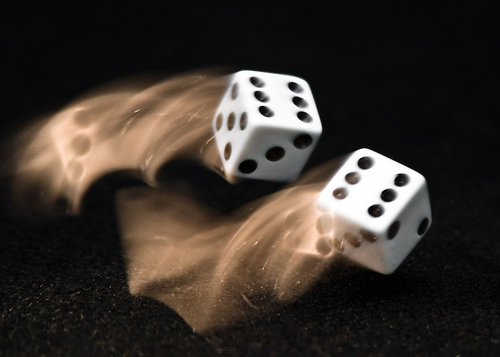
Light painting involves moving a light source through the frame during a long exposure. This can be as simple as waving a flashlight or as complex as choreographing multiple colored lights. The camera records the path of the light, creating bright trails or shapes against a dark background.
- Use colored gels on your lights for vibrant effects.
- Try writing words or drawing shapes in the air.
- Combine static and moving elements for contrast.
Panning with Moving Subjects
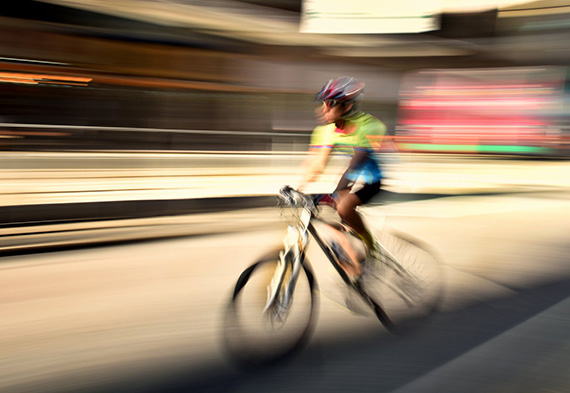
Panning is a technique where you move the camera to follow a moving subject during a long exposure. The subject remains relatively sharp, while the background becomes streaked, emphasizing speed and direction. This works well with vehicles, cyclists, or runners, especially when illuminated by streetlights or headlights.
Using Flash for Freeze and Blur
Combining continuous light with a burst of flash can create a striking effect where part of the subject is frozen in sharp detail, while the rest shows motion trails. Set your camera for a long exposure, and trigger the flash manually or automatically at the beginning or end of the exposure.
- Rear curtain sync (flash fires at the end of the exposure) often produces more natural-looking motion trails.
- Experiment with colored gels on your flash for added creativity.
Inspiring Examples of Motion and Light in Action
Looking at real-world examples can spark new ideas for your own photography. The following image demonstrates how urban environments and artificial lights can be used to create captivating motion effects.
Notice how the streaks of light from passing cars or illuminated signs add energy to the scene. You can achieve similar results by experimenting with cityscapes, amusement parks, or nighttime events where artificial lighting is abundant.
For more experimental approaches, check out this guide to motion blur experimental photography, which explores unconventional methods and artistic interpretations.
Tips for Successful Motion Blur Lighting Shots
- Plan Your Shot: Visualize the effect you want and set up your camera and lights accordingly.
- Test and Adjust: Take test shots to fine-tune your exposure, focus, and timing.
- Embrace Imperfection: Some of the most interesting images come from unexpected results. Don’t be afraid to experiment.
- Safety First: If you’re working at night or near traffic, stay aware of your surroundings.
- Post-Processing: Use editing software to enhance colors, contrast, and sharpness if needed.
If you’re interested in camera movement techniques, the motion blur camera movement ideas guide offers detailed advice on using intentional movement for creative results.
Common Challenges and How to Overcome Them
While working with motion blur creative lighting can be rewarding, it also presents some challenges:
- Overexposure: Long exposures can easily become too bright, especially with strong lights. Use ND filters or lower your ISO to compensate.
- Unwanted Camera Shake: Always use a tripod and remote release to keep static elements sharp.
- Focus Issues: Autofocus may struggle in low light. Pre-focus manually before starting your exposure.
- Distracting Backgrounds: Choose simple backgrounds or shoot at night to keep the focus on your light trails and motion.
For more technical advice, consider reading about motion blur image stabilization on or off to understand how stabilization settings affect your results.
Further Learning and Resources
If you want to dive deeper into the technical side of capturing movement, the article how to capture motion blur in photography provides a comprehensive overview of settings, techniques, and creative ideas.
For those using gimbals or other stabilization tools, you might also find motion blur with gimbal helpful for learning how to balance smooth movement with intentional blur.
Frequently Asked Questions
What is the best shutter speed for motion blur with creative lighting?
The ideal shutter speed depends on your subject and the effect you want. For light painting or dramatic trails, exposures from 1 to 30 seconds are common. For panning or subtle blur, try speeds between 1/10 and 1 second. Always test and adjust based on your scene.
Can I use motion blur techniques during the daytime?
Yes, but you’ll need to reduce the amount of light entering the camera. Use a neutral density (ND) filter, lower your ISO, and close down your aperture to allow for longer exposures without overexposing the image.
What types of lights work best for creative motion blur photography?
Almost any portable light can be used, including flashlights, LED wands, glow sticks, and even smartphone screens. Colored gels and programmable LEDs offer even more creative control. Experiment to find what works best for your vision.