
The manufacturing sector is undergoing a transformation as artificial intelligence becomes a core part of modern production environments. By integrating advanced algorithms and machine learning, factories are able to track, analyze, and optimize their operations in real time. This guide explores the practical ways AI-driven monitoring is reshaping industrial performance, from predictive maintenance to quality assurance and energy management.
As more facilities adopt smart technologies, understanding the mechanisms behind automated monitoring is essential for manufacturers aiming to stay competitive. For those interested in the intersection of technology and industrial processes, resources like motion blur composition examples can provide additional insights into how advanced imaging and analytics are influencing various fields.
Key Technologies Behind AI-Driven Factory Monitoring
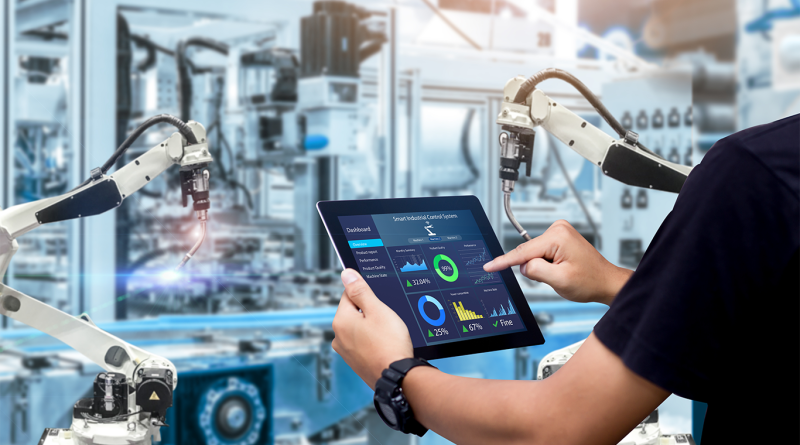
At the core of intelligent factory monitoring are several technologies working together to collect and interpret data. Sensors embedded throughout the production line capture information on temperature, vibration, speed, and other critical parameters. This data is then transmitted to centralized platforms where AI algorithms process it, identifying patterns and anomalies that would be difficult for humans to detect.
- Machine Learning Models: These algorithms learn from historical and real-time data to predict equipment failures, optimize workflows, and suggest improvements.
- Computer Vision: Cameras and image recognition software inspect products for defects, monitor assembly lines, and ensure safety compliance.
- Industrial Internet of Things (IIoT): Connected devices enable seamless data flow between machines, sensors, and cloud-based analytics platforms.
- Edge Computing: Processing data close to the source reduces latency, allowing for faster decision-making and immediate responses to issues.
Real-Time Data Collection and Analysis
One of the most significant advantages of using artificial intelligence in manufacturing is the ability to monitor operations in real time. Continuous data streams from sensors and machines feed into AI systems, which analyze the information instantly. This enables rapid detection of deviations from normal performance, such as unusual vibrations in a motor or temperature spikes in a furnace.
By leveraging real-time analytics, factories can minimize downtime, reduce waste, and maintain consistent product quality. For example, if a machine begins to operate outside its optimal range, the AI system can trigger alerts or even automatically adjust settings to prevent costly breakdowns.
Predictive Maintenance and Equipment Health
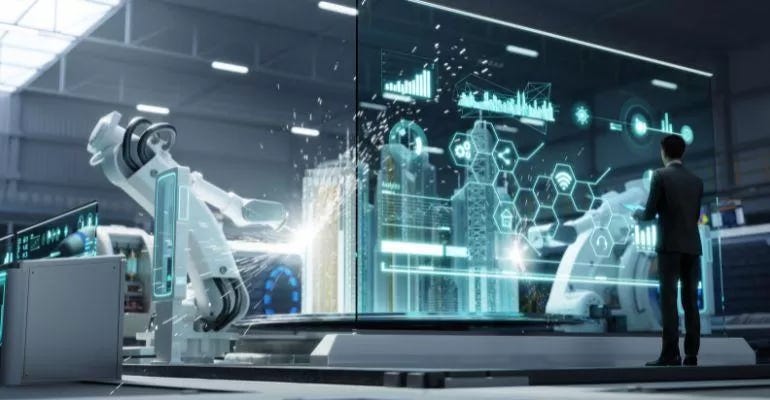
Traditional maintenance schedules rely on fixed intervals or reactive repairs, which can lead to unnecessary costs or unexpected failures. With AI-based monitoring, factories can shift to predictive maintenance strategies. By analyzing historical and current machine data, AI models forecast when equipment is likely to fail or require servicing.
This approach helps manufacturers:
- Reduce unplanned downtime by addressing issues before breakdowns occur
- Extend the lifespan of machinery through timely interventions
- Optimize inventory by ordering spare parts only when needed
- Lower overall maintenance costs
Predictive analytics also supports safety initiatives by identifying hazardous conditions early, allowing staff to take corrective action and avoid accidents.
Quality Control and Process Optimization
Ensuring consistent product quality is a top priority for manufacturers. AI-powered vision systems and data analytics tools can inspect every item on the production line, flagging defects and deviations in real time. Unlike manual inspections, these systems do not tire or miss subtle flaws, leading to higher accuracy and reduced waste.
Beyond defect detection, AI can analyze process data to uncover inefficiencies and suggest improvements. For instance, by tracking variables such as temperature, pressure, and speed, the system can recommend adjustments that boost throughput or minimize energy consumption.
Energy Management and Sustainability
Monitoring energy usage is another area where artificial intelligence delivers value. By analyzing consumption patterns, AI systems can identify inefficiencies and recommend changes to reduce costs and environmental impact. For example, the technology might suggest optimal times to run energy-intensive equipment or highlight areas where energy is being wasted.
These insights help factories meet sustainability goals and comply with regulations, while also improving their bottom line. The move toward smart factory operations is a key step in building more sustainable and resilient manufacturing ecosystems.
Integrating AI Monitoring Into Existing Operations
Implementing AI-based monitoring does not require a complete overhaul of current systems. Many solutions are designed to integrate with legacy equipment, using add-on sensors and cloud-based analytics platforms. The transition can be gradual, starting with pilot projects on critical assets before scaling up across the facility.
Training staff to interpret AI-generated insights and act on recommendations is crucial for maximizing the benefits. Ongoing collaboration between operators, engineers, and data scientists ensures that the technology delivers practical value and aligns with business objectives.
For a deeper look at the concept of smart factories and their enabling technologies, consider reading this comprehensive overview of smart factory principles.
Challenges and Considerations for Manufacturers
While the advantages of automated monitoring are clear, there are challenges to address. Data security and privacy are top concerns, as sensitive production information is collected and transmitted across networks. Manufacturers must implement robust cybersecurity measures to protect their operations.
Additionally, the quality of insights depends on the accuracy and reliability of sensor data. Regular calibration and maintenance of monitoring equipment are essential to ensure trustworthy results. Finally, organizations should be prepared for a period of adjustment as teams adapt to new workflows and decision-making processes.
FAQ: AI in Factory Performance Monitoring
What types of data does AI use to monitor factory operations?
AI systems analyze a wide range of data, including sensor readings (temperature, vibration, pressure), machine status logs, production throughput, energy consumption, and visual information from cameras. This comprehensive data set enables accurate monitoring and actionable insights.
How does AI improve predictive maintenance in manufacturing?
By learning from historical equipment data and identifying patterns that precede failures, AI can forecast when machines are likely to need maintenance. This allows for timely repairs, reduces unplanned downtime, and extends the life of critical assets.
Is it possible to implement AI monitoring in older factories?
Yes, many AI solutions are designed to work with existing equipment by adding sensors and connecting to cloud analytics platforms. This enables manufacturers to benefit from advanced monitoring without replacing all their machinery.
Conclusion
Artificial intelligence is fundamentally changing how manufacturers track and improve their operations. Through real-time data analysis, predictive maintenance, and process optimization, AI-driven monitoring systems help factories achieve higher efficiency, better quality, and greater sustainability. As adoption continues to grow, staying informed about these technologies will be essential for any organization looking to thrive in the evolving industrial landscape.