

In today’s industrial environments, sensors play a crucial role in monitoring and optimizing equipment. By collecting real-time data, these devices provide valuable insights into the health, efficiency, and productivity of machines. Understanding how sensors track machine performance is essential for manufacturers, plant managers, and anyone interested in smart factory technologies. This article explores the principles behind sensor-based monitoring, the types of data collected, and the benefits of integrating sensor systems into industrial operations.
Modern manufacturing facilities increasingly rely on automated systems to maintain quality and reduce downtime. Sensors are at the heart of this transformation, enabling predictive maintenance, process optimization, and data-driven decision-making. For those interested in visual techniques related to industrial processes, exploring resources like motion blur composition examples can provide creative inspiration for capturing dynamic machinery in action.
Understanding Sensor-Based Monitoring in Industry
Sensor technology has transformed the way factories and plants operate. By continuously gathering data from machines, sensors provide a detailed view of operational status and help identify issues before they escalate. The integration of sensors into industrial equipment is a key component of the Industrial Internet of Things (IIoT), which connects devices and systems for smarter, more efficient production.
Sensors can detect a wide range of parameters, including temperature, vibration, pressure, speed, and electrical current. This information is transmitted to centralized systems where it can be analyzed for trends, anomalies, and potential faults. As a result, organizations can move from reactive maintenance to proactive strategies, reducing unplanned downtime and extending the lifespan of assets.
Key Types of Sensors Used for Machine Monitoring
There are several types of sensors commonly used to assess the condition and performance of industrial machinery. Each type serves a specific function and provides unique insights:
- Vibration Sensors: Monitor mechanical movement and detect imbalances, misalignments, or bearing failures.
- Temperature Sensors: Track heat levels in motors, bearings, and other components to prevent overheating.
- Pressure Sensors: Measure fluid or gas pressure in hydraulic and pneumatic systems.
- Proximity Sensors: Detect the presence or absence of objects, useful for safety and automation.
- Current and Voltage Sensors: Monitor electrical consumption and identify irregularities that may indicate problems.
- Optical Sensors: Use light to detect position, speed, or surface conditions.
By combining data from multiple sensor types, facilities gain a comprehensive understanding of machine health and operational efficiency.

How Data Is Collected and Analyzed
The process of tracking machine performance with sensors involves several steps. First, sensors are installed on critical components or at key points along the production line. These devices continuously measure physical variables and convert them into electrical signals.
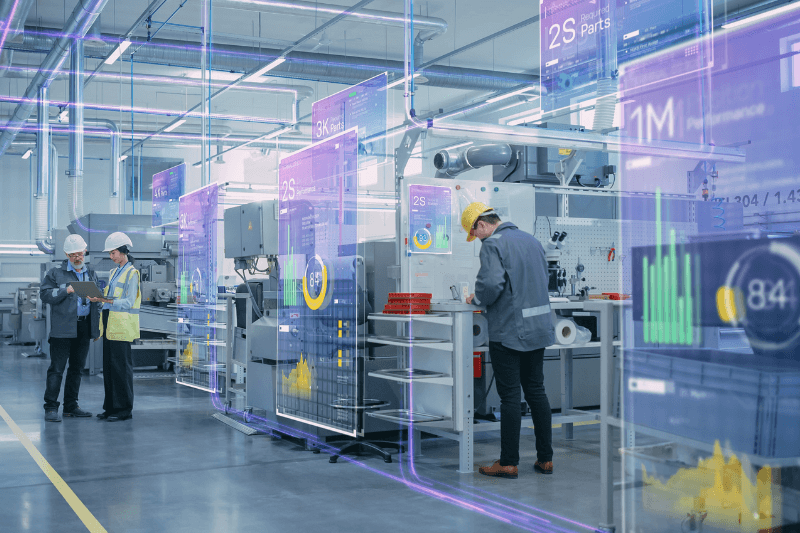
The collected data is transmitted—often wirelessly—to a central hub or cloud-based platform. Advanced analytics software then processes this information, using algorithms to detect patterns, predict failures, and recommend maintenance actions. Visualization dashboards make it easy for operators and managers to interpret the results and make informed decisions.
For example, a sudden spike in vibration readings might indicate a developing fault in a motor. By catching this early, maintenance teams can schedule repairs before a breakdown occurs, avoiding costly production stops.
Benefits of Using Sensors for Equipment Monitoring
Implementing sensor-based monitoring systems offers a range of advantages for industrial operations:
- Reduced Downtime: Early detection of issues allows for timely maintenance, minimizing unexpected outages.
- Improved Safety: Sensors can alert operators to hazardous conditions, helping prevent accidents.
- Optimized Performance: Continuous monitoring enables fine-tuning of processes for maximum efficiency.
- Cost Savings: Predictive maintenance reduces repair costs and extends equipment life.
- Data-Driven Decisions: Access to real-time and historical data supports strategic planning and resource allocation.
These benefits contribute to a more resilient and competitive manufacturing environment.
Applications in Smart Factories and Digital Transformation
The adoption of sensor technology is a cornerstone of the smart factory movement. In these advanced facilities, machines, sensors, and software systems are interconnected, enabling seamless data exchange and automation. This approach supports continuous improvement and rapid adaptation to changing market demands.
For a deeper look at how digitalization is reshaping manufacturing, see this comprehensive overview of smart factory concepts. By leveraging sensor data, organizations can implement predictive maintenance, optimize energy usage, and enhance product quality—all while reducing operational risks.
Challenges and Considerations in Sensor Deployment
While the advantages of sensor-based monitoring are clear, there are important considerations when implementing these systems. Factors such as sensor placement, data security, integration with existing infrastructure, and ongoing maintenance must be addressed for optimal results.
Data overload can also be a concern. With thousands of data points generated every second, it is essential to have robust analytics tools and clear protocols for responding to alerts. Additionally, staff training is necessary to ensure that teams can interpret sensor data and act effectively.
As technology evolves, new sensor types and smarter analytics will continue to enhance the capabilities of industrial monitoring systems.
Integrating Sensor Data with Visual Analysis
Combining sensor data with visual inspection techniques can provide a more complete picture of machine health. For those interested in the intersection of industrial monitoring and photography, resources like the motion blur cinematic photography guide offer insights into capturing the dynamic nature of machinery in motion.
Visual analysis, when paired with sensor readings, can help validate findings and support more accurate diagnostics. This integrated approach is becoming increasingly popular in advanced manufacturing environments.
Frequently Asked Questions
What types of machines benefit most from sensor-based monitoring?
Equipment that is critical to production—such as motors, pumps, compressors, and conveyors—benefits greatly from sensor monitoring. These machines often operate continuously and are costly to repair or replace, making early fault detection especially valuable.
How do sensors improve predictive maintenance strategies?
Sensors provide real-time data on machine condition, allowing maintenance teams to identify issues before they lead to failures. This proactive approach reduces unplanned downtime and extends the life of equipment.
Are there security concerns with wireless sensor networks?
Yes, as with any connected system, wireless sensor networks can be vulnerable to cyber threats. It is important to implement strong security protocols, including encryption and regular software updates, to protect sensitive data and ensure system integrity.
Can sensor data be used to optimize energy consumption?
Absolutely. By monitoring parameters like current, voltage, and temperature, sensors help identify inefficiencies and opportunities to reduce energy usage, contributing to cost savings and sustainability goals.
The integration of sensors into industrial environments is reshaping the future of manufacturing. By leveraging real-time data and advanced analytics, organizations can achieve higher efficiency, improved safety, and greater operational resilience.