
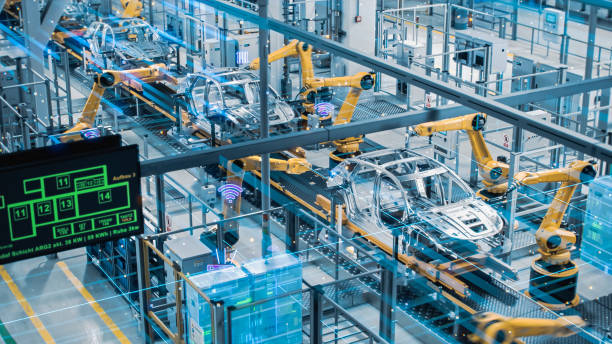
The integration of factory wearable technology applications is reshaping the manufacturing sector. These advanced devices, ranging from smart glasses to sensor-equipped wristbands, are driving improvements in productivity, safety, and data-driven decision-making. As factories embrace digital transformation, understanding the real-world uses and benefits of wearables becomes essential for leaders aiming to stay competitive.
In this article, we’ll explore how wearables are used on the factory floor, their impact on operations, and what manufacturers should consider when implementing these solutions. For those interested in visual creativity within industrial settings, you may also find inspiration in motion blur composition examples that showcase dynamic movement in production environments.
Key Benefits of Wearable Devices in Manufacturing
Modern production environments are complex and fast-paced. Wearable devices offer several advantages that help manufacturers meet these challenges:
- Enhanced Safety: Wearables can monitor workers’ vital signs, detect fatigue, and alert supervisors to hazardous conditions in real time.
- Increased Efficiency: Hands-free access to instructions and data allows employees to perform tasks more quickly and with fewer errors.
- Real-Time Communication: Smart headsets and badges enable instant collaboration between teams, reducing downtime and improving workflow.
- Data Collection: Sensors embedded in wearables gather valuable information on equipment usage, worker movements, and environmental conditions.
Types of Wearable Technology Used in Factories
A variety of wearable devices are deployed across industrial settings. Each type serves a specific purpose, contributing to a more connected and responsive workplace.
Smart Glasses and Augmented Reality Headsets
These devices overlay digital information onto the user’s field of vision, guiding assembly, maintenance, and quality control processes. Workers can access schematics, receive step-by-step instructions, or connect with remote experts without interrupting their workflow.
Sensor-Enabled Wristbands and Badges
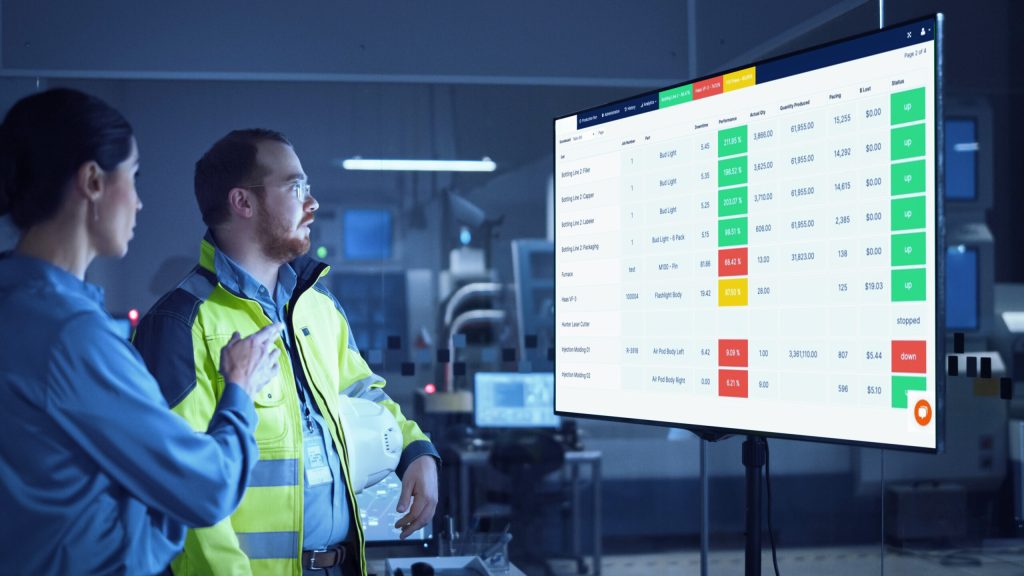
Wristbands and badges equipped with sensors track worker location, monitor health metrics, and detect unsafe behaviors. For example, if a worker enters a restricted area or exhibits signs of fatigue, the system can trigger alerts to prevent accidents.
Wearable Cameras and Audio Devices
Cameras worn on helmets or vests document work processes for training and compliance. Audio devices support clear communication in noisy environments, ensuring instructions are heard and understood.
How Wearable Tech Improves Factory Operations
The adoption of wearables in manufacturing brings measurable improvements across several operational areas:
- Quality Assurance: Real-time data collection helps identify defects early, reducing waste and rework.
- Predictive Maintenance: Wearables can alert maintenance teams about equipment anomalies, minimizing unplanned downtime.
- Training and Onboarding: New employees benefit from guided instructions and remote support, shortening learning curves.
- Compliance Monitoring: Automated tracking of safety protocols ensures adherence to regulations and company policies.
Challenges and Considerations for Implementation
While the advantages are significant, integrating wearable technology into manufacturing environments presents some challenges:
- Data Security: Protecting sensitive information collected by wearables is crucial. Manufacturers must ensure robust cybersecurity measures are in place.
- Worker Acceptance: Employees may have concerns about privacy or comfort. Clear communication and training can help address these issues.
- Integration with Existing Systems: Wearables should seamlessly connect with factory management software and IoT platforms for maximum benefit.
- Cost and ROI: Upfront investment can be substantial, so it’s important to evaluate the expected return and long-term value.
For a broader perspective on how digital transformation is shaping production, explore this comprehensive overview of smart factory concepts.
Trends Shaping the Future of Industrial Wearables
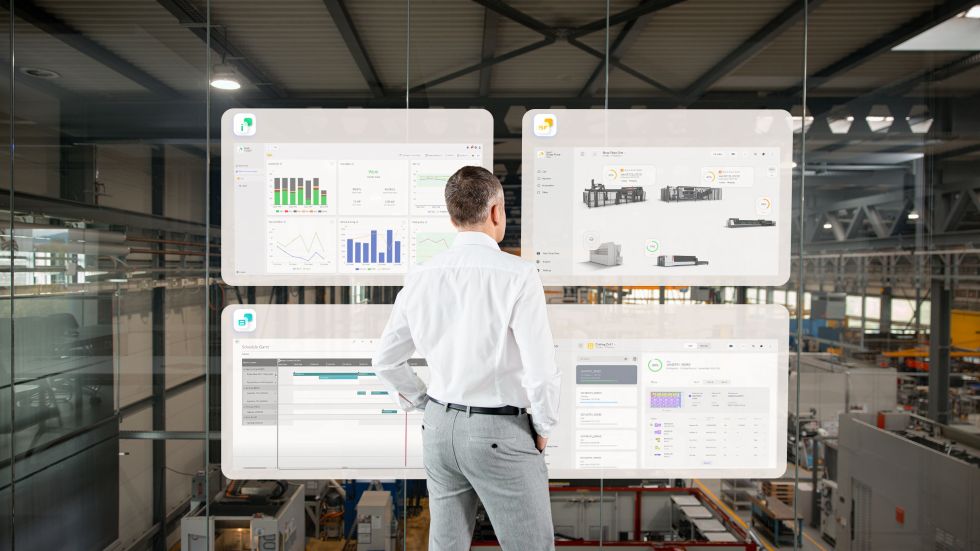
As technology evolves, several trends are influencing the next generation of wearables in manufacturing:
- Artificial Intelligence Integration: AI-powered analytics are enabling predictive insights and automated decision-making based on wearable data.
- 5G Connectivity: Faster, more reliable wireless networks support real-time data transmission and remote collaboration.
- Miniaturization and Comfort: Devices are becoming smaller, lighter, and more ergonomic, increasing worker adoption and comfort.
- Expanded Use Cases: Beyond safety and productivity, wearables are being used for environmental monitoring, asset tracking, and even employee wellness programs.
Best Practices for Deploying Wearable Solutions
To maximize the value of wearable technology in manufacturing, consider these best practices:
- Start with a Pilot Program: Test devices in a controlled environment to identify benefits and address challenges before scaling up.
- Engage Employees Early: Involve workers in the selection and implementation process to increase buy-in and gather valuable feedback.
- Prioritize Data Security: Work with IT teams to ensure all data is encrypted and access is restricted to authorized personnel.
- Integrate with Existing Systems: Choose solutions that are compatible with your current software and IoT infrastructure.
- Measure and Optimize: Continuously track performance metrics to refine processes and demonstrate return on investment.
FAQ: Industrial Wearable Technology
What are the most common wearable devices used in manufacturing?
The most widely adopted devices include smart glasses for augmented reality applications, sensor-equipped wristbands for health and safety monitoring, wearable cameras for documentation, and audio headsets for clear communication in noisy environments.
How do wearables improve worker safety on the factory floor?
Wearables monitor vital signs, detect fatigue, and alert supervisors to hazardous conditions. They can also track worker location and movement, ensuring compliance with safety protocols and reducing the risk of accidents.
What should manufacturers consider before implementing wearable technology?
Key considerations include data security, employee privacy, integration with existing systems, upfront costs, and the expected return on investment. Engaging employees early and starting with a pilot program can help ensure a smooth rollout.