

As industries move toward smarter, more connected operations, the importance of digital twins for maintenance has become increasingly clear. Digital twins—virtual representations of physical assets, systems, or processes—are transforming how organizations approach equipment upkeep, reliability, and efficiency. By leveraging real-time data and advanced analytics, these digital models enable proactive strategies that reduce downtime, optimize resource allocation, and extend asset lifecycles.
This article explores how digital twins are reshaping maintenance practices, the benefits they offer, and practical considerations for implementation. For those interested in visual creativity and technology, you may also find value in exploring motion blur composition examples as another innovative application of digital modeling.
Understanding Digital Twins in Maintenance Operations
A digital twin is a dynamic, digital replica of a physical object, process, or system. In the context of maintenance, these virtual models are continuously updated with real-world data from sensors, IoT devices, and enterprise systems. This connection allows organizations to monitor asset health, predict failures, and simulate different scenarios without disrupting actual operations.
The adoption of digital twins in maintenance is not limited to manufacturing. Sectors such as energy, transportation, and healthcare are also harnessing these models to improve reliability and reduce costs. By integrating data streams and analytics, organizations gain a comprehensive view of their assets, enabling smarter decision-making and more effective maintenance strategies.
Key Benefits of Digital Twins for Asset Management
The importance of digital twins for maintenance becomes evident when considering the tangible benefits they deliver:
- Predictive Maintenance: Digital twins use real-time data and historical trends to anticipate equipment failures before they occur. This proactive approach minimizes unplanned downtime and reduces the risk of costly breakdowns.
- Optimized Scheduling: Maintenance teams can plan interventions based on actual asset conditions rather than fixed intervals, leading to more efficient use of resources and less disruption to operations.
- Extended Asset Lifespan: By identifying issues early and addressing them promptly, digital twins help extend the useful life of machinery and infrastructure.
- Cost Savings: Fewer emergency repairs and optimized maintenance schedules translate to significant cost reductions over time.
- Enhanced Safety: Monitoring asset health in real time allows for safer work environments, as potential hazards can be detected and mitigated before they escalate.

How Digital Twins Enable Predictive and Preventive Maintenance
One of the most significant advantages of digital twins is their ability to support predictive and preventive maintenance strategies. By continuously analyzing sensor data and operational parameters, these models can detect subtle changes that may indicate wear, misalignment, or impending failure.
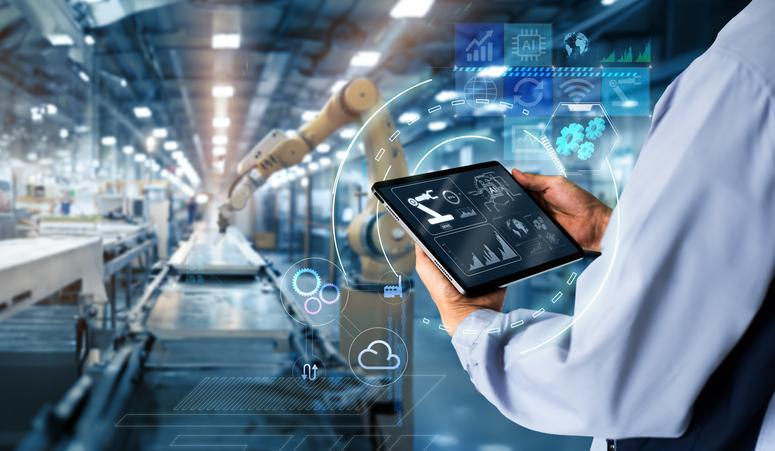
For example, a digital twin of a manufacturing robot can monitor vibration, temperature, and cycle counts. If the model detects anomalies, it can trigger alerts for inspection or maintenance, preventing unexpected breakdowns. This approach moves organizations away from reactive repairs and toward a more controlled, cost-effective maintenance model.
In addition, digital twins can simulate the impact of different maintenance actions, helping teams choose the most effective interventions. This capability is especially valuable for complex systems where downtime is expensive or safety is critical.
Integrating Digital Twins with Smart Manufacturing
The role of digital twins in maintenance is closely tied to the broader trend of smart manufacturing. By integrating with IoT platforms, cloud analytics, and automation systems, digital twins become central to the connected factory ecosystem.
Organizations can use these models to optimize not only individual assets but also entire production lines and facilities. For more on how these technologies are shaping the future of industry, see this overview of smart factory and manufacturing solutions.
As digital twins evolve, they are increasingly being used for scenario planning, energy management, and quality control, further enhancing their value in maintenance and operations.
Challenges and Considerations When Implementing Digital Twins
While the importance of digital twins for maintenance is clear, successful implementation requires careful planning. Some key challenges include:
- Data Integration: Digital twins rely on accurate, real-time data from multiple sources. Integrating legacy equipment and disparate systems can be complex and may require investment in new sensors or connectivity solutions.
- Model Accuracy: The effectiveness of a digital twin depends on how well it mirrors the real-world asset. Regular updates and validation are essential to maintain accuracy over time.
- Cybersecurity: As digital twins become more connected, they can be vulnerable to cyber threats. Protecting sensitive operational data is a top priority.
- Change Management: Adopting digital twins often requires changes in workflows and staff training. Ensuring buy-in from all stakeholders is crucial for long-term success.
Addressing these challenges early in the process will help organizations maximize the value of their digital twin investments and ensure sustainable improvements in maintenance outcomes.
Real-World Applications and Future Trends
The use of digital twins in maintenance is expanding rapidly. In manufacturing, these models are used to monitor production equipment, optimize maintenance schedules, and improve quality control. In the energy sector, digital twins help manage the health of turbines, pipelines, and grids, reducing the risk of outages and environmental incidents.
Looking ahead, advances in artificial intelligence and machine learning will make digital twins even more powerful. Automated diagnostics, self-healing systems, and deeper integration with enterprise resource planning (ERP) platforms are on the horizon. For those interested in the intersection of technology and visual arts, the motion blur cinematic photography guide demonstrates another innovative use of digital modeling and simulation.
As these technologies mature, organizations that embrace digital twins will be better positioned to achieve operational excellence, reduce costs, and stay ahead of the competition.
Frequently Asked Questions
What is a digital twin and how does it support maintenance?
A digital twin is a virtual model of a physical asset, system, or process that is continuously updated with real-time data. In maintenance, digital twins enable organizations to monitor equipment health, predict failures, and optimize maintenance schedules, leading to reduced downtime and improved asset performance.
What are the main benefits of using digital twins for maintenance?
Key advantages include predictive maintenance, optimized scheduling, extended asset lifespan, cost savings, and enhanced safety. By leveraging real-time data and analytics, digital twins allow for proactive maintenance strategies that minimize disruptions and lower operational costs.
What challenges should organizations consider before adopting digital twins?
Common challenges include integrating data from multiple sources, ensuring model accuracy, managing cybersecurity risks, and facilitating organizational change. Addressing these issues is essential for realizing the full benefits of digital twin technology in maintenance.