
Capturing motion blur effectively can transform ordinary scenes into dynamic, visually engaging photographs. Whether you’re photographing bustling city streets, flowing water, or fast-moving athletes, understanding how to compose with intentional blur is essential for creating images that convey energy and movement. This guide explores practical motion blur composition tips to help you elevate your photography, offering actionable advice for both beginners and experienced shooters.
If you’re looking for creative inspiration, you might enjoy exploring these motion blur composition examples, which showcase a variety of styles and techniques.

Understanding the Impact of Motion in Photography
Motion blur occurs when a moving subject or the camera itself shifts during exposure, resulting in streaks or trails that suggest movement. When used thoughtfully, this effect can add drama, context, and emotion to your images. The key is to balance blur with clarity, ensuring the viewer’s attention is drawn to the right elements within the frame.
Before diving into specific composition strategies for motion blur, it’s important to recognize that not all scenes benefit from this technique. Consider the story you want your image to tell. Is the movement central to the narrative, or would a sharp, frozen moment be more effective? Once you’ve decided to use blur, the following sections will help you make the most of it.
Choosing the Right Shutter Speed for Creative Blur
One of the most critical factors in achieving compelling motion effects is shutter speed. A slower shutter allows more movement to be recorded, but too much can turn your subject into an unrecognizable smear. As a starting point, experiment with speeds between 1/15 and 1/2 second for moderate blur. For fast action, you may need to go even slower.
Remember to use a tripod or stabilize your camera if you want stationary elements to remain sharp while only the moving parts blur. This contrast between crisp and blurred areas is a hallmark of strong motion blur composition.
Compositional Techniques for Dynamic Images
Once you’ve set your exposure, it’s time to think about how to arrange elements within the frame. Here are several motion blur composition tips to help you create images with impact:
- Lead the viewer’s eye: Use the direction of the blur to guide attention toward your subject or through the scene. Diagonal or sweeping lines created by motion can add energy and flow.
- Anchor with a static element: Including a sharp, unmoving object—such as a lamppost, tree, or person—provides a point of reference and enhances the sense of movement around it.
- Frame for context: Show enough of the environment to give the viewer a sense of place, but avoid clutter that distracts from the main action. Negative space can help isolate the motion.
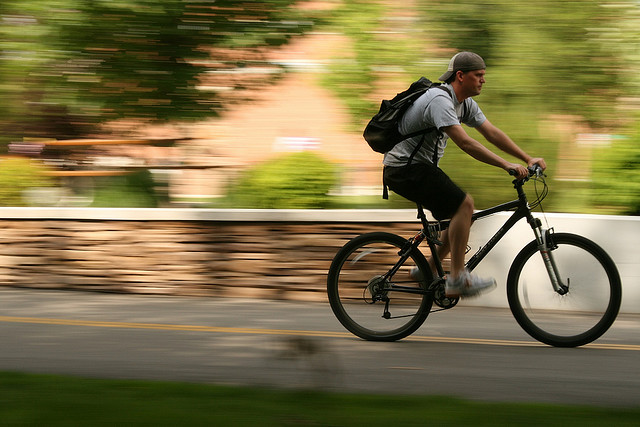
- Experiment with panning: By moving your camera to follow a moving subject, you can keep the subject relatively sharp while blurring the background. This technique emphasizes speed and direction.
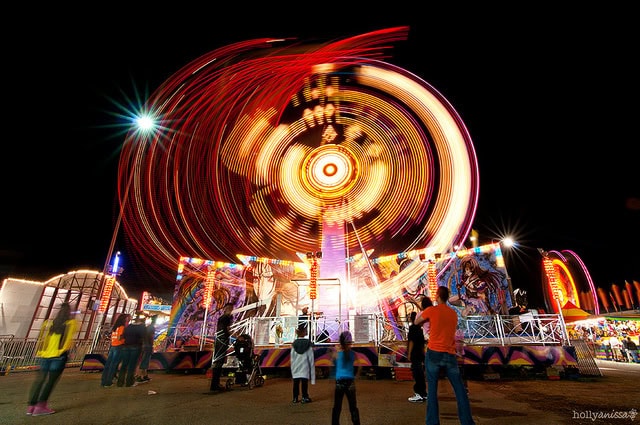
- Play with light and color: Bright lights, reflections, or colorful subjects can create striking trails and patterns when blurred, adding visual interest to your composition.
For more on settings and technical adjustments, the motion blur settings for beginners guide offers a detailed breakdown of exposure choices and camera controls.
Subject Selection and Storytelling with Blur
Not every subject lends itself to motion blur. The best candidates are those whose movement is meaningful or visually distinctive. Examples include flowing water, passing vehicles, dancers, or crowds in urban environments. Think about what the blur will add to the story: does it suggest speed, chaos, serenity, or something else?
Try to anticipate the path your subject will take and compose your shot to maximize the effect. Pre-focusing on a spot where the action will occur can help ensure your composition is strong, even as the subject moves through the frame.
Common Mistakes and How to Avoid Them
Even experienced photographers can struggle with motion blur composition. Here are a few pitfalls to watch for:
- Unintentional camera shake: If everything in your image is blurry, you may have moved the camera unintentionally. Use a tripod or image stabilization to keep static elements sharp.
- Overcrowded frames: Too many moving elements can make the scene chaotic and hard to read. Simplify your composition by focusing on one or two key subjects.
- Distracting backgrounds: Busy or brightly colored backgrounds can compete with your subject. Look for clean, uncluttered settings that let the motion stand out.
- Incorrect focus: Make sure your intended anchor point is sharp, especially if you’re combining blur with static elements.
Reviewing motion blur before and after examples can help you recognize these issues and see how subtle adjustments can improve your results.
Advanced Approaches and Creative Inspiration
Once you’re comfortable with the basics, try pushing your creativity further. Multiple exposures, intentional camera movement (ICM), and combining natural and artificial light sources can all yield unique results. Experiment with different times of day, weather conditions, and subject matter to discover what resonates with your style.
For those interested in cinematic techniques, the motion blur cinematic photography guide explores how to create movie-like effects in your still images.
If you want to see how others use these techniques, check out this collection of beautiful motion blur photos for inspiration.
Sharing and Showcasing Your Work
Once you’ve captured images you’re proud of, consider sharing them on social platforms. For tips on optimizing your images for social media, the motion blur Instagram photography tips article provides guidance on editing, hashtags, and presentation to help your work stand out.
Frequently Asked Questions
What camera settings are best for capturing motion blur?
The ideal settings depend on your subject and lighting conditions, but generally, a slower shutter speed (such as 1/15 to 1/2 second) is used to create blur. Use a low ISO to reduce noise and adjust your aperture for proper exposure. A tripod helps keep static elements sharp.
How can I keep part of my image sharp while blurring the rest?
To achieve this effect, stabilize your camera and focus on a stationary object within the frame. Allow moving subjects or backgrounds to blur during the exposure. Panning with a moving subject is another way to keep the subject sharp while blurring the background.
Are there specific subjects that work best for motion blur photography?
Subjects with clear, directional movement—such as vehicles, people in motion, flowing water, or animals—tend to produce the most visually appealing results. Look for scenes where the movement adds context or emotion to the story you want to tell.