
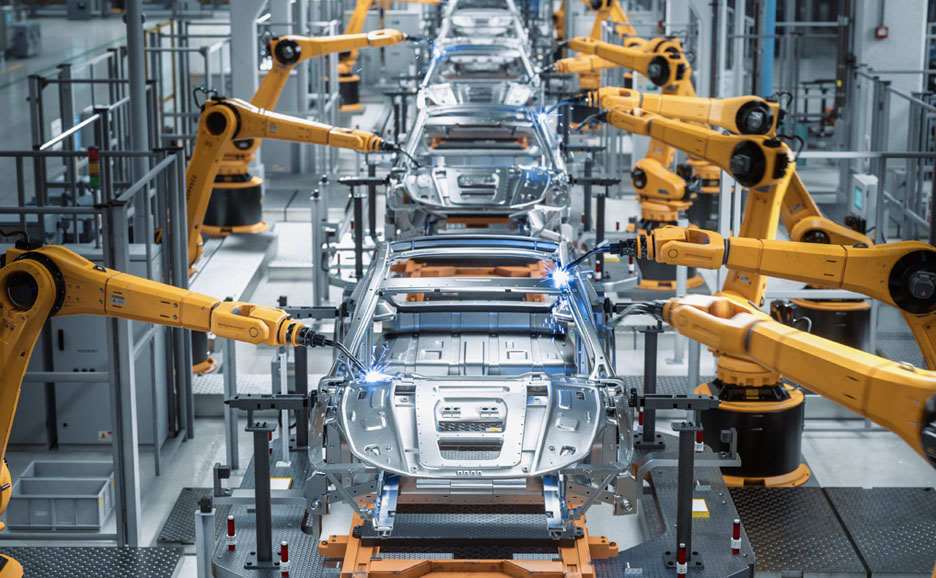
The rise of smart machines is transforming manufacturing. Today’s factories are filled with robots, sensors, and automated systems that work together with remarkable efficiency. But how do these intelligent devices exchange information, coordinate tasks, and keep production lines running smoothly? Understanding how smart machines communicate is key to unlocking the full potential of modern industrial automation.
This article explores the technologies, protocols, and strategies that enable seamless interaction between machines on the factory floor. You’ll learn about the building blocks of industrial connectivity, the role of data in optimizing operations, and how digital transformation is reshaping manufacturing. For those interested in visual creativity, you may also find inspiration in motion blur composition examples that highlight the dynamic nature of automated environments.
Key Technologies Behind Machine Communication
At the heart of industrial automation lies a complex web of communication protocols and hardware. These technologies allow machines to exchange data, send commands, and monitor each other’s status in real time. Here are some of the most important elements that make this possible:
- Industrial Ethernet: Unlike traditional office networks, industrial Ethernet is designed for reliability and speed in harsh environments. It forms the backbone of many factory communication systems.
- Fieldbus Systems: Protocols such as PROFIBUS, Modbus, and CAN bus connect sensors, actuators, and controllers on the production line, enabling fast, deterministic data transfer.
- Wireless Networks: Wi-Fi, Bluetooth, and industrial wireless standards (like WirelessHART) allow for flexible machine placement and mobile device integration.
- IoT Platforms: The Industrial Internet of Things (IIoT) connects machines to cloud-based analytics and monitoring tools, providing actionable insights and remote control.
Protocols That Enable Seamless Data Exchange
For machines to work together, they must “speak” the same language. This is where communication protocols come in. These standardized rules define how devices format, send, and interpret messages. Some widely used protocols in smart manufacturing include:
- OPC UA (Open Platform Communications Unified Architecture): A platform-independent protocol that supports secure, reliable data exchange between machines, sensors, and software systems.
- MQTT (Message Queuing Telemetry Transport): Lightweight and efficient, MQTT is ideal for IIoT applications where bandwidth and power consumption are concerns.
- EtherCAT: Designed for real-time control, EtherCAT is used in robotics and motion control where speed and precision are critical.
- Profinet: An industrial Ethernet standard that integrates automation devices from different vendors into a single network.
By adhering to these protocols, smart machines can share operational data, synchronize actions, and respond to changing conditions with minimal human intervention.
Data Flow: From Sensors to Decision-Making
The journey of information in a smart factory begins with sensors. These devices collect data on temperature, pressure, vibration, and other variables. The data is then transmitted to programmable logic controllers (PLCs) or edge computers, which process it and make real-time decisions.
For example, if a sensor detects a deviation in product quality, the system can automatically adjust machine settings or trigger maintenance alerts. This closed-loop communication enables predictive maintenance, reduces downtime, and improves product consistency.
Digital Twins and Virtual Collaboration
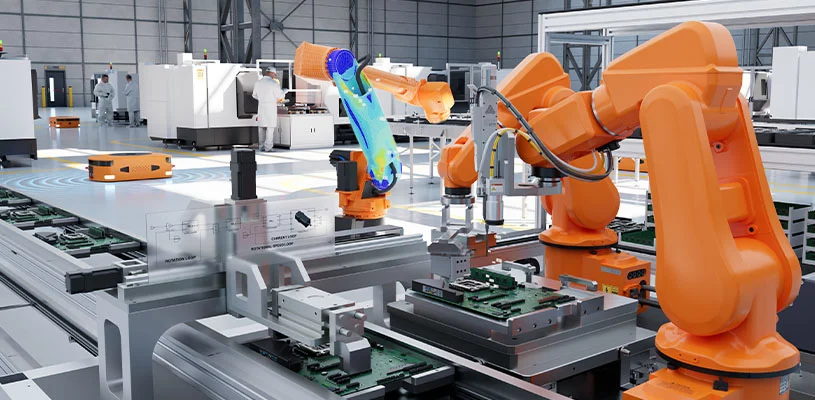
One of the most exciting developments in factory automation is the use of digital twins. These are virtual models of physical machines or entire production lines. By mirroring the real-world environment, digital twins allow engineers to simulate changes, predict outcomes, and optimize performance without disrupting actual operations.
Communication between the physical and digital worlds is continuous. Data from sensors and controllers updates the digital twin in real time, while insights from simulations can be sent back to adjust machine behavior. This two-way exchange is a powerful tool for improving efficiency and reducing costly errors.
Security and Reliability in Industrial Networks
As factories become more connected, cybersecurity and network reliability are critical concerns. Unauthorized access or data breaches can disrupt operations and compromise safety. To address these risks, manufacturers implement:
- Network Segmentation: Isolating critical systems to limit the spread of potential threats.
- Encryption: Protecting sensitive data as it moves between machines and cloud platforms.
- Authentication and Access Control: Ensuring only authorized devices and personnel can interact with the network.
- Regular Updates: Keeping software and firmware current to patch vulnerabilities.
These measures help maintain the integrity of machine-to-machine communication and support uninterrupted production.

Benefits of Connected Manufacturing Systems
When machines can communicate freely and reliably, manufacturers gain several advantages:
- Increased Efficiency: Automated coordination reduces bottlenecks and speeds up production.
- Improved Quality: Real-time monitoring and feedback loops catch defects early and enable rapid adjustments.
- Predictive Maintenance: Data-driven insights help schedule repairs before breakdowns occur, minimizing downtime.
- Flexibility: Connected systems can adapt to new products, changing demand, or process improvements with minimal reconfiguration.
- Enhanced Decision-Making: Access to comprehensive data supports better planning and resource allocation.
These outcomes are central to the concept of the “smart factory,” where digital and physical processes are tightly integrated for maximum performance.
Challenges and Future Directions
While the benefits are clear, implementing advanced communication systems in factories is not without challenges. Legacy equipment, interoperability issues, and the need for skilled personnel can slow adoption. Manufacturers must also balance connectivity with security and privacy concerns.
Looking ahead, trends such as 5G wireless, edge computing, and artificial intelligence promise to further enhance machine communication. For a deeper dive into the strategic side of digital transformation, review this overview of smart factory adoption from the boardroom perspective.
FAQ: Smart Machine Communication in Manufacturing
What are the main protocols used for machine communication in factories?
Common protocols include OPC UA, MQTT, EtherCAT, and Profinet. These standards ensure that devices from different manufacturers can share data and instructions reliably.
How does machine-to-machine communication improve factory efficiency?
By enabling devices to coordinate actions and share real-time data, factories can automate processes, reduce errors, and quickly respond to changing conditions. This leads to faster production, higher quality, and less downtime.
What security measures protect industrial communication networks?
Manufacturers use network segmentation, encryption, authentication, and regular software updates to safeguard machine communication. These steps help prevent unauthorized access and maintain safe, reliable operations.