
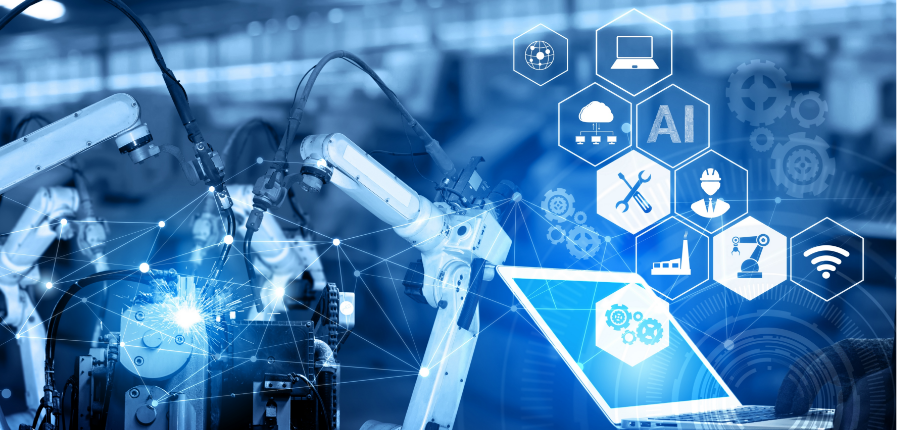
The rapid evolution of industrial environments has given rise to a new era where digital tools are seamlessly integrated into daily operations. Among the most transformative innovations are wearable devices designed specifically for factory settings. These technologies are reshaping how workers interact with machinery, data, and each other, resulting in improved efficiency, safety, and productivity. This guide explores the landscape of wearable solutions in manufacturing, highlighting their applications, benefits, and the future they promise for smart factories.
As factories embrace digital transformation, understanding the role of connected devices becomes essential. From smart glasses to sensor-embedded clothing, these tools are not just futuristic concepts—they are already making a tangible impact on shop floors worldwide. For those interested in visual creativity and industrial photography, resources like motion blur composition examples offer inspiration on capturing the dynamic nature of modern production environments.
The Rise of Wearable Devices in Industrial Settings
Wearable technology in factories refers to electronic devices worn by workers to enhance their capabilities, monitor health and safety, or streamline workflows. Unlike consumer wearables, these devices are engineered to withstand harsh environments and provide real-time data relevant to industrial tasks. The adoption of such solutions is a key component of the broader movement toward smart manufacturing, where connectivity and automation drive operational excellence.
The integration of wearables is closely linked to the concept of the smart factory, which leverages interconnected systems to optimize production. By equipping workers with advanced tools, manufacturers can bridge the gap between human expertise and digital intelligence.
Types of Factory Wearable Technology
The range of wearable devices available for industrial use is expanding rapidly. Here are some of the most common categories:
- Smart Glasses: These head-mounted displays provide hands-free access to instructions, schematics, or live video feeds. Workers can receive step-by-step guidance or remote support, reducing errors and downtime.
- Wearable Sensors: Embedded in vests, wristbands, or helmets, these sensors monitor vital signs, fatigue, posture, or exposure to hazardous conditions. They help prevent accidents and support health initiatives.
- Exoskeletons: Mechanical suits that assist with lifting or repetitive tasks, reducing strain and the risk of musculoskeletal injuries.
- Smart Gloves: Equipped with sensors or RFID readers, these gloves allow for intuitive control of machines, data entry, or quality checks without interrupting workflow.
- Location Trackers: Devices that monitor the movement of personnel and equipment, improving logistics, safety, and emergency response.
Key Benefits of Industrial Wearables
The adoption of wearable solutions in manufacturing environments offers several significant advantages:
- Enhanced Safety: Real-time monitoring of worker health and environmental conditions enables faster response to hazards. Alerts can notify supervisors of unsafe behaviors or dangerous areas.
- Increased Productivity: Hands-free access to information and remote assistance minimizes downtime and accelerates task completion.
- Data-Driven Insights: Continuous data collection supports predictive maintenance, process optimization, and informed decision-making.
- Improved Training: Augmented reality and guided workflows help new employees learn tasks efficiently and reduce the risk of mistakes.
- Worker Wellbeing: Monitoring fatigue and ergonomics helps prevent injuries and supports long-term health.
Challenges and Considerations for Implementation
While the potential of wearable devices in factories is clear, successful deployment requires careful planning. Some common challenges include:
- Data Privacy: Collecting personal and operational data raises concerns about privacy and compliance. Clear policies and transparent communication are essential.
- Integration with Legacy Systems: Ensuring compatibility with existing machinery and software can be complex.
- User Acceptance: Workers may be hesitant to adopt new technologies, especially if they perceive them as intrusive or cumbersome.
- Durability and Maintenance: Devices must withstand harsh conditions and regular use without frequent breakdowns.
- Cost: Initial investment in hardware and training can be significant, though long-term benefits often justify the expense.
Future Trends in Wearable Solutions for Factories
The landscape of industrial wearables is evolving rapidly. Emerging trends include:
- Artificial Intelligence Integration: AI-powered analytics will enable predictive safety alerts, smarter maintenance, and adaptive workflows.
- Edge Computing: Processing data locally on devices reduces latency and reliance on cloud connectivity, making real-time decision-making more robust.
- Miniaturization: Devices are becoming smaller, lighter, and more comfortable, increasing user acceptance and expanding possible applications.
- Interoperability: Open standards and improved connectivity will allow wearables to seamlessly communicate with other factory systems and IoT devices.
- Personalization: Customizable alerts and interfaces will cater to individual worker needs and preferences.
As these trends continue, the role of wearable technology in manufacturing will only grow, supporting safer, more efficient, and more adaptive workplaces.
Practical Applications and Use Cases
Wearable solutions are already delivering value in a variety of industrial scenarios:
- Maintenance and Repair: Technicians use smart glasses for remote expert support, viewing schematics, or capturing hands-free documentation.
- Quality Control: Smart gloves and sensors enable real-time inspection and data logging without interrupting the assembly process.
- Safety Compliance: Location trackers and environmental sensors help ensure workers avoid restricted zones and adhere to safety protocols.
- Training and Onboarding: Augmented reality headsets provide immersive, step-by-step training for new hires, reducing learning curves.
- Fatigue Monitoring: Wearable health monitors alert supervisors when workers show signs of exhaustion, preventing accidents before they occur.
For those interested in capturing the dynamic energy of industrial environments, guides like the motion blur cinematic photography guide offer practical tips for creative documentation.
Frequently Asked Questions
What are the main benefits of using wearable technology in factories?
The primary advantages include enhanced worker safety, improved productivity, real-time data collection, and streamlined training. Wearables help monitor health, provide instant access to information, and support efficient workflows.
How do factories ensure data privacy when using wearables?
Manufacturers must establish clear data privacy policies, communicate transparently with employees, and comply with relevant regulations. Data should be anonymized where possible, and access should be restricted to authorized personnel.
Can wearable devices be integrated with existing factory systems?
Yes, many modern wearables are designed to work with legacy systems through APIs or middleware. However, successful integration requires careful planning and may involve updates to existing infrastructure.
Are there any challenges to adopting wearable technology in manufacturing?
Common obstacles include concerns about data privacy, integration complexity, user acceptance, device durability, and initial costs. Addressing these challenges requires a strategic approach and ongoing support.
Conclusion
The adoption of wearable devices in manufacturing is transforming how factories operate, making workplaces safer, smarter, and more responsive. As technology advances, these solutions will continue to play a pivotal role in shaping the future of industrial production. For those looking to further explore the intersection of technology and creativity, resources such as motion blur settings for beginners and motion blur instagram photography tips provide valuable insights for documenting the ever-changing world of modern factories.