
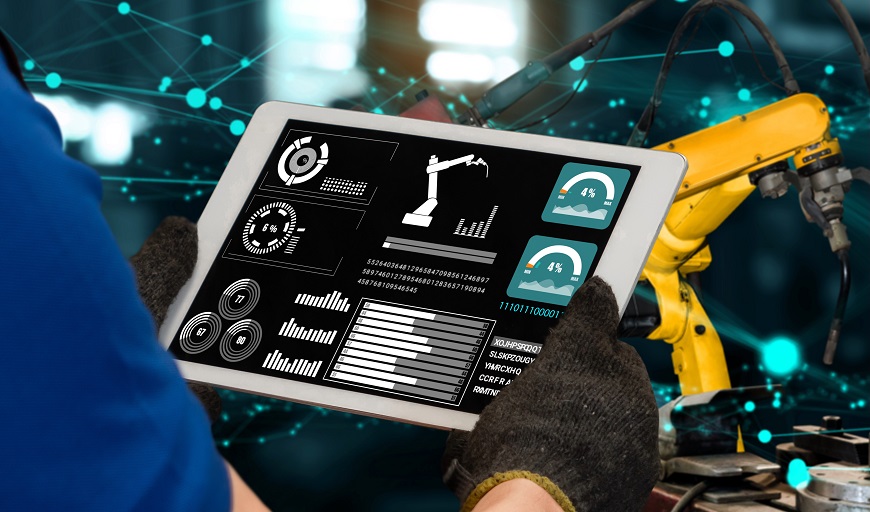
Minimizing unplanned stoppages is a top priority for manufacturers aiming to boost productivity and cut operational costs. The integration of artificial intelligence into industrial environments is transforming how facilities address interruptions, predict failures, and maintain smooth operations. By leveraging advanced analytics and real-time data, AI-driven solutions are enabling factories to achieve new levels of efficiency and reliability.
In this article, we’ll explore the practical ways intelligent systems are reshaping maintenance strategies, optimizing workflows, and helping manufacturers stay ahead of costly disruptions. We’ll also provide insights into the technologies behind these improvements and how businesses can start benefiting from these innovations today.
For those interested in related applications of technology in industrial and creative fields, you may want to check out our motion blur composition examples for inspiration on visual effects in photography and manufacturing imaging.
Understanding Downtime and Its Impact on Manufacturing
Downtime refers to periods when production lines or equipment are not operating as intended. This can result from unexpected breakdowns, scheduled maintenance, or process inefficiencies. Even brief interruptions can have significant consequences, including lost revenue, delayed orders, and increased labor costs.
Traditional approaches to minimizing downtime often rely on scheduled inspections and reactive repairs. While these methods can be effective to some extent, they are limited by human error and the inability to predict failures before they occur. This is where AI-powered solutions are making a substantial difference.
Predictive Maintenance: The Core of AI-Driven Uptime
One of the most impactful ways AI reduces downtime in factories is through predictive maintenance. By continuously monitoring equipment conditions using sensors and machine learning algorithms, AI systems can identify patterns that indicate potential failures. This allows maintenance teams to address issues before they escalate into major problems.
- Real-time monitoring: Sensors collect data on temperature, vibration, pressure, and other critical parameters.
- Data analysis: AI algorithms analyze historical and real-time data to detect anomalies and forecast equipment health.
- Automated alerts: Maintenance teams receive notifications when a component is likely to fail, enabling timely intervention.
This proactive approach not only reduces unplanned stoppages but also extends the lifespan of machinery and optimizes spare parts inventory.

Process Optimization and Workflow Automation
Beyond maintenance, intelligent systems are streamlining entire production processes. By analyzing workflow data, AI can uncover inefficiencies, recommend adjustments, and automate routine tasks. This leads to smoother operations and fewer bottlenecks that could otherwise cause delays.
- Dynamic scheduling: AI tools adjust production schedules in real time based on equipment availability and order priorities.
- Quality control: Machine vision and pattern recognition help identify defects early, reducing rework and stoppages.
- Resource allocation: Algorithms optimize the use of labor, materials, and energy to prevent unnecessary downtime.
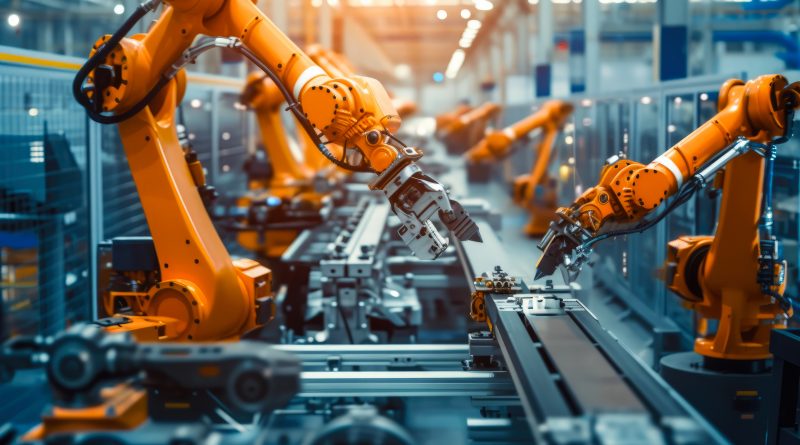
These capabilities are central to the concept of a smart factory, where interconnected systems work together to maximize efficiency and minimize interruptions.
Remote Monitoring and Decision Support
Modern manufacturing facilities are increasingly adopting remote monitoring platforms powered by AI. These systems provide plant managers with real-time visibility into operations, even across multiple sites. Decision-makers can quickly identify issues, allocate resources, and coordinate responses without being physically present on the factory floor.
AI-driven dashboards and analytics tools offer actionable insights, helping teams prioritize maintenance tasks, track key performance indicators, and continuously improve processes. This level of oversight is especially valuable for organizations managing complex supply chains or operating in geographically dispersed locations.
Benefits of Implementing AI in Industrial Settings
Adopting intelligent automation and analytics brings a range of advantages for manufacturers aiming to reduce stoppages and improve productivity:
- Reduced unplanned downtime: Predictive insights allow for timely maintenance and fewer unexpected failures.
- Lower maintenance costs: Targeted interventions minimize unnecessary part replacements and labor expenses.
- Improved product quality: Early detection of defects and process deviations leads to more consistent output.
- Enhanced safety: Automated monitoring reduces the risk of accidents caused by equipment malfunctions.
- Greater operational agility: Real-time data enables rapid adjustments to changing production demands.
These benefits contribute to a more resilient and competitive manufacturing environment, positioning companies for long-term success.
Getting Started with AI-Driven Downtime Reduction
For organizations considering the adoption of AI technologies, the first step is to assess current pain points and identify areas where intelligent automation can deliver the greatest impact. This may involve upgrading legacy equipment with sensors, integrating data collection platforms, and training staff to work alongside new digital tools.
Partnering with experienced solution providers can help streamline the implementation process and ensure that systems are tailored to specific operational needs. As more manufacturers embrace these innovations, the competitive gap between traditional and smart factories will continue to widen.
Frequently Asked Questions
What types of downtime can AI help prevent in manufacturing?
Intelligent systems can address both unplanned and planned downtime. By predicting equipment failures, optimizing maintenance schedules, and automating workflows, AI helps prevent unexpected stoppages and reduces the time required for routine maintenance.
How does predictive maintenance differ from traditional maintenance?
Predictive maintenance uses real-time data and machine learning to forecast when equipment is likely to fail, allowing for proactive repairs. Traditional maintenance typically relies on fixed schedules or waiting for breakdowns to occur, which can lead to unnecessary interventions or unexpected downtime.
Is it expensive to implement AI in existing factories?
The cost of adopting AI varies depending on the scale and complexity of the facility. However, many solutions can be integrated with existing equipment, and the long-term savings from reduced downtime and improved efficiency often outweigh the initial investment.
Can AI improve safety in industrial environments?
Yes, by continuously monitoring equipment and processes, AI can detect hazardous conditions early and alert staff to potential risks, contributing to a safer workplace.
As manufacturers continue to invest in digital transformation, the role of intelligent automation in minimizing production interruptions will only grow. For additional insights into the intersection of technology and industrial processes, explore our motion blur cinematic photography guide for a look at how imaging and automation can work together in creative and technical applications.