

The world of industrial robotics has transformed modern manufacturing, logistics, and countless other sectors. These advanced machines are designed to automate repetitive tasks, improve precision, and boost productivity on a scale that manual labor simply cannot match. As industries evolve to meet increasing demands for efficiency and quality, understanding the basics of robotics in industrial settings becomes essential for businesses and professionals alike.
This guide explores the fundamentals of robotics in industry, including core concepts, types of robots, key applications, and the benefits and challenges faced by organizations adopting this technology. Whether you’re a newcomer or looking to deepen your knowledge, you’ll find practical insights into how robotics is shaping the future of work.
For those interested in the intersection of automation and imaging, exploring motion blur composition examples can offer creative inspiration and a deeper appreciation for the precision required in both robotics and photography.
What Are Industrial Robots?
At their core, industrial robots are programmable machines designed to perform specific tasks within manufacturing and production environments. Unlike consumer robots, these systems are built for durability, speed, and accuracy, often operating continuously in demanding conditions. They can be stationary or mobile, and their functions range from simple pick-and-place operations to complex assembly and quality control tasks.
The International Organization for Standardization (ISO) defines an industrial robot as an “automatically controlled, reprogrammable, multipurpose manipulator programmable in three or more axes.” This definition highlights the flexibility and adaptability that make these machines so valuable in industrial settings.
Key Types of Robots Used in Industry
Robotics in manufacturing and related fields encompasses a variety of designs, each suited to particular applications. The most common categories include:
- Articulated Robots: These feature rotary joints and resemble a human arm, offering a wide range of motion. They are widely used for welding, painting, and assembly.
- SCARA Robots: Selective Compliance Assembly Robot Arms are ideal for pick-and-place tasks, assembly, and packaging, thanks to their speed and precision.
- Cartesian Robots: Also known as gantry robots, these move along linear axes (X, Y, Z) and are often used for CNC machinery and 3D printing.
- Delta Robots: Recognized for their spider-like appearance, these are commonly used in high-speed sorting and packaging.
- Collaborative Robots (Cobots): Designed to work safely alongside humans, cobots are increasingly popular for tasks requiring flexibility and adaptability.
.jpg?width=755&height=425&name=smart%20manufacturing%20article%20header%20image%20%20(1).jpg)
Applications of Robotics in Manufacturing and Beyond
The adoption of robotic automation has revolutionized many sectors. In manufacturing, robots handle tasks such as welding, painting, assembly, material handling, and packaging. Their ability to work tirelessly and precisely makes them indispensable for high-volume production lines.
Beyond traditional factories, robotics is making an impact in industries like automotive, electronics, pharmaceuticals, food processing, and even logistics. For example, robots are used in warehouses for sorting and transporting goods, and in laboratories for precise sample handling.
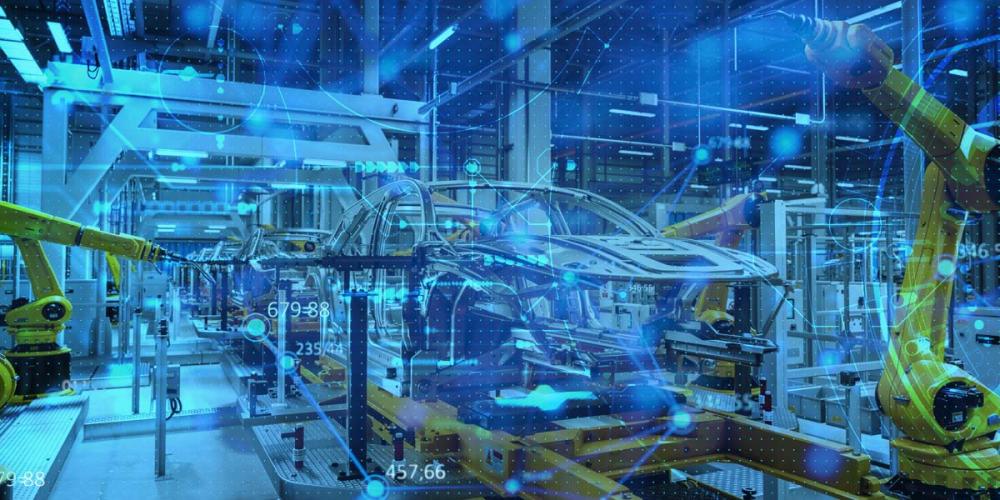
The rise of smart factory solutions has further expanded the role of automation, integrating robotics with sensors, data analytics, and artificial intelligence to create highly efficient, adaptive production environments.
Benefits of Implementing Robotics in Industrial Settings
Organizations that invest in robotic systems often realize significant advantages, including:
- Increased Productivity: Robots can operate around the clock without fatigue, significantly boosting output.
- Improved Quality: Consistent, precise movements reduce errors and enhance product quality.
- Enhanced Safety: Dangerous or repetitive tasks can be automated, minimizing risk to human workers.
- Cost Savings: While initial investment can be high, automation often leads to lower long-term operational costs.
- Flexibility: Modern robots can be reprogrammed for new tasks, supporting agile manufacturing and rapid adaptation to market changes.
Challenges and Considerations in Adopting Automation
While the advantages are clear, integrating robotics into industrial operations is not without challenges. Some of the main considerations include:
- High Initial Investment: Purchasing and installing robotic systems can require significant capital.
- Workforce Impact: Automation may lead to workforce displacement, requiring reskilling and careful change management.
- Technical Complexity: Programming, maintaining, and troubleshooting robots demand specialized expertise.
- Integration with Existing Systems: Ensuring seamless communication between robots and legacy equipment can be complex.
- Cybersecurity Risks: As robots become more connected, protecting them from cyber threats is increasingly important.
Future Trends in Industrial Robotics
The field of industrial automation is rapidly evolving. Key trends shaping the future include:
- Artificial Intelligence: AI-powered robots are becoming more autonomous, capable of learning and adapting to new tasks.
- Collaborative Robotics: Cobots are enabling safer, more flexible human-robot collaboration on the factory floor.
- Internet of Things (IoT): Connected robots can share data in real time, supporting predictive maintenance and improved efficiency.
- Miniaturization and Mobility: Smaller, mobile robots are expanding automation into new environments and applications.
As these trends continue, the integration of robotics with other technologies will further enhance productivity, quality, and adaptability across industries.
FAQ: Common Questions About Robotics in Industry
What Industries Use Industrial Robots Most Frequently?
The most prominent users include automotive, electronics, metal fabrication, pharmaceuticals, food and beverage, and logistics. Any sector that benefits from automation, precision, and high-volume production is likely to adopt robotics.
How Safe Are Robots in the Workplace?
Modern robots are designed with multiple safety features, including sensors, emergency stops, and protective barriers. Collaborative robots, in particular, are engineered to operate safely alongside humans, reducing the risk of accidents.
Can Small Businesses Benefit from Industrial Robotics?
Yes, advances in technology and the availability of more affordable, flexible robots make automation accessible to small and medium-sized enterprises. These businesses can improve efficiency and competitiveness by adopting the right solutions for their needs.