
Advances in machine vision have transformed the way manufacturers and industrial facilities approach quality control and inspection. By leveraging high-resolution cameras, intelligent algorithms, and real-time data processing, automated vision systems deliver consistent and precise results that far surpass manual inspection methods. This article explores the practical impact of these technologies, highlighting the ways in which automated image analysis enhances accuracy, efficiency, and reliability across diverse industries.
As digital transformation accelerates, more organizations are integrating smart inspection solutions to reduce errors, cut costs, and maintain competitive quality standards. Whether you are new to industrial automation or seeking to optimize an existing process, understanding the role of vision technology in inspection is essential. For those interested in creative applications of motion and imaging, our motion blur composition examples provide further inspiration on visual analysis techniques.
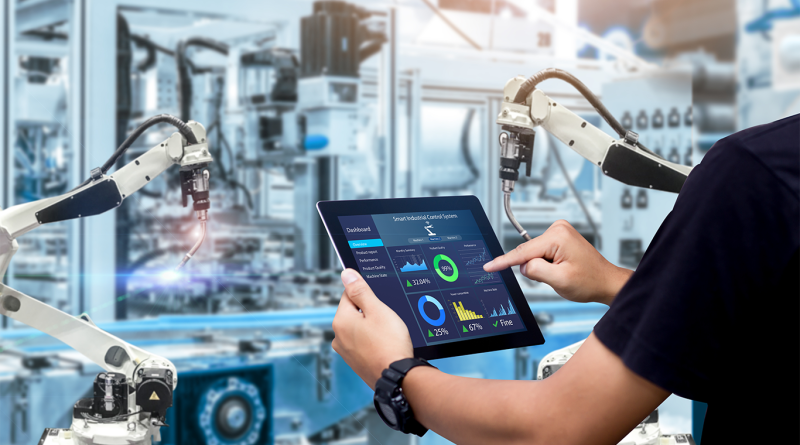
Key Benefits of Automated Vision in Inspection Processes
Implementing automated vision inspection brings several advantages over traditional manual checks. These systems use cameras and software to analyze products or components, identifying defects, inconsistencies, or deviations from standards with remarkable speed and accuracy. Here are some of the most significant benefits:
- Consistency: Vision systems apply the same criteria to every item, eliminating human subjectivity and fatigue.
- Speed: Automated inspection can process hundreds or thousands of units per minute, supporting high-volume production lines.
- Accuracy: High-resolution imaging and advanced algorithms detect even subtle flaws that might escape the human eye.
- Traceability: Digital records of inspections support compliance, auditing, and process improvement initiatives.
- Cost Savings: Early detection of defects reduces waste, rework, and warranty claims, ultimately lowering operational costs.
How Vision Technology Enhances Quality Control
The integration of vision-based inspection systems is reshaping quality assurance across sectors like electronics, automotive, pharmaceuticals, and food processing. These solutions combine hardware and software to deliver actionable insights in real time.

For example, in electronics manufacturing, vision systems can inspect solder joints, component placement, and surface defects at microscopic levels. In the food industry, they verify packaging integrity, label accuracy, and product appearance. These applications not only ensure compliance with industry standards but also help companies maintain brand reputation and customer trust.
Reducing Human Error and Increasing Throughput
Manual inspection is inherently limited by human factors such as fatigue, distraction, and variability in judgment. Automated vision solutions address these challenges by providing tireless, objective analysis. This leads to fewer missed defects and more consistent quality outcomes.
Additionally, vision-based systems can operate continuously, supporting 24/7 production environments without the need for breaks or shift changes. This increased throughput enables manufacturers to scale operations and respond more flexibly to market demands.
Real-World Applications of Vision-Driven Inspection
The adoption of machine vision for inspection is evident in a wide range of industries:
- Automotive: Detecting paint imperfections, verifying assembly accuracy, and measuring component dimensions.
- Pharmaceuticals: Ensuring correct labeling, checking fill levels, and identifying packaging defects.
- Food & Beverage: Monitoring seal integrity, confirming product color, and validating expiration dates.
- Electronics: Inspecting printed circuit boards (PCBs), connector alignment, and micro-defects.
- Textiles: Spotting weaving faults, color inconsistencies, and surface flaws.
Each of these use cases demonstrates how automated inspection not only improves product quality but also supports regulatory compliance and operational efficiency.
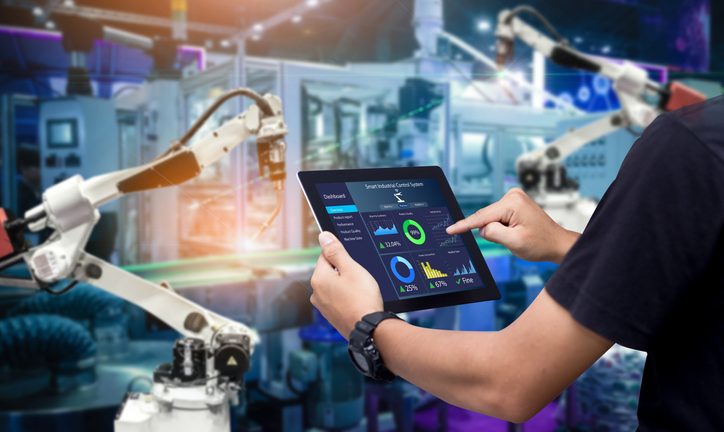
Integrating Smart Inspection into Modern Factories
The shift toward smart factories is accelerating the adoption of vision-based inspection. By connecting vision systems with other digital platforms, manufacturers can automate decision-making, optimize workflows, and gain deeper insights into production performance. For a detailed look at how digital transformation is reshaping manufacturing, see this comprehensive guide to smart factory strategies.
Integration with robotics, artificial intelligence, and cloud analytics further enhances the capabilities of vision systems. For example, AI-powered algorithms can learn from historical inspection data to predict potential defects or recommend process adjustments, enabling proactive quality management.
Challenges and Considerations in Deploying Vision Solutions
While the benefits are substantial, implementing vision-based inspection requires careful planning. Key considerations include:
- Lighting and Environment: Proper illumination and stable conditions are critical for accurate image capture.
- System Calibration: Regular calibration ensures measurement accuracy and repeatability.
- Data Management: Handling large volumes of image data securely and efficiently is essential for traceability.
- Integration: Seamless connection with existing production lines and IT systems maximizes value.
- Training: Operators and engineers need training to interpret results and maintain the system.
Addressing these factors helps organizations realize the full potential of automated inspection while minimizing downtime and maximizing return on investment.
Future Trends in Vision-Based Inspection
The future of vision-driven inspection is closely tied to advancements in artificial intelligence, edge computing, and sensor technology. As cameras become more sensitive and algorithms more sophisticated, systems will be able to detect even smaller defects and adapt to new product variants with minimal reprogramming.
Additionally, the integration of real-time analytics and predictive maintenance will enable facilities to move from reactive to proactive quality management. This evolution will further reduce waste, improve product consistency, and enhance customer satisfaction.
FAQ
What Is Machine Vision in Industrial Inspection?
Machine vision refers to the use of cameras, sensors, and software to automatically inspect products or components for defects, deviations, or quality issues. It replaces or augments manual inspection, offering greater speed and accuracy.
How Does Automated Vision Improve Quality Control?
Automated vision systems provide consistent, objective analysis of every item on a production line. They detect defects that humans might miss, reduce variability, and generate digital records for traceability and compliance.
What Are Common Challenges When Implementing Vision Inspection?
Key challenges include ensuring proper lighting, calibrating equipment, integrating with existing systems, and managing large volumes of data. Training staff to interpret results and maintain the system is also important for long-term success.