
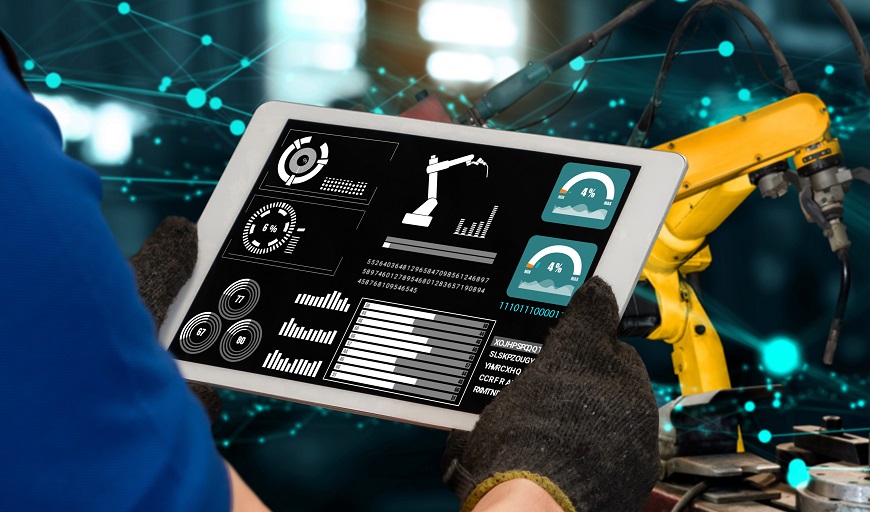
As manufacturing evolves, the ability to monitor, control, and optimize production from a distance has become a defining feature of modern industry. Factory remote operation systems explained is a topic gaining attention as businesses seek greater efficiency, flexibility, and resilience. These systems combine advanced sensors, real-time data analytics, and secure connectivity to enable off-site management of industrial processes. Understanding how these technologies work, their benefits, and their challenges is essential for any organization considering digital transformation in manufacturing.
In this article, we’ll break down the fundamentals of remote factory management, explore its core components, and highlight how these solutions are shaping the future of manufacturing. For those interested in visual creativity and industrial photography, you might also find value in exploring motion blur composition examples that capture the dynamic essence of automated production lines.
What Are Remote Factory Management Systems?
At their core, remote operation platforms for factories are integrated solutions that allow operators, engineers, and managers to oversee and control manufacturing processes from locations outside the physical plant. These systems leverage digital technologies—such as industrial IoT devices, cloud computing, and secure networks—to provide real-time visibility and actionable insights into every aspect of production.
The main goal is to enable decision-makers to respond quickly to issues, optimize workflows, and maintain productivity, even when on-site presence is limited or impossible. This approach is especially valuable for multi-site enterprises, facilities in remote or hazardous locations, and organizations seeking to minimize downtime.
Key Components of Remote Operation Technologies
To fully grasp how these solutions function, it’s important to understand their essential building blocks. Here are the primary elements that make up a robust remote operations framework:
- Industrial IoT Sensors: Devices that collect data on temperature, vibration, pressure, energy consumption, and more, transmitting this information to centralized platforms.
- Edge Computing: Local processing units that analyze data close to the source, reducing latency and bandwidth requirements for time-sensitive operations.
- Cloud-Based Control Centers: Secure online platforms where data is aggregated, visualized, and used for remote monitoring and control.
- Automated Alerts and Diagnostics: Systems that notify operators of anomalies, equipment failures, or safety concerns, often with AI-powered recommendations.
- Remote Access and Control Interfaces: User-friendly dashboards and mobile apps that allow authorized personnel to adjust settings, schedule maintenance, or intervene in real time.

Benefits of Implementing Remote Operations in Manufacturing
Adopting remote management for industrial environments offers a range of advantages that can transform both day-to-day operations and long-term business outcomes. Some of the most significant benefits include:
- Increased Efficiency: Real-time data and automation reduce manual intervention, streamline workflows, and minimize errors.
- Enhanced Safety: Operators can monitor and control hazardous processes from a safe distance, reducing exposure to risks.
- Cost Savings: Predictive maintenance and optimized resource allocation help lower operational expenses and prevent costly downtime.
- Scalability: Centralized control makes it easier to manage multiple facilities and adapt to changing production demands.
- Business Continuity: Remote access ensures that critical operations can continue during emergencies, travel restrictions, or labor shortages.
For a deeper dive into how digital transformation is reshaping the industrial landscape, see this comprehensive overview of smart factory concepts.
Challenges and Considerations for Remote Factory Control
While the advantages are compelling, there are also important challenges to address when implementing these advanced solutions:
- Cybersecurity Risks: Increased connectivity can expose systems to cyber threats, making robust security protocols essential.
- Integration Complexity: Connecting legacy equipment with modern digital platforms may require significant investment and expertise.
- Reliability of Connectivity: Stable, high-speed internet is crucial for uninterrupted remote operations, especially in remote locations.
- Change Management: Employees may need training and support to adapt to new workflows and technologies.
- Data Privacy: Handling sensitive production data demands strict compliance with privacy regulations and best practices.
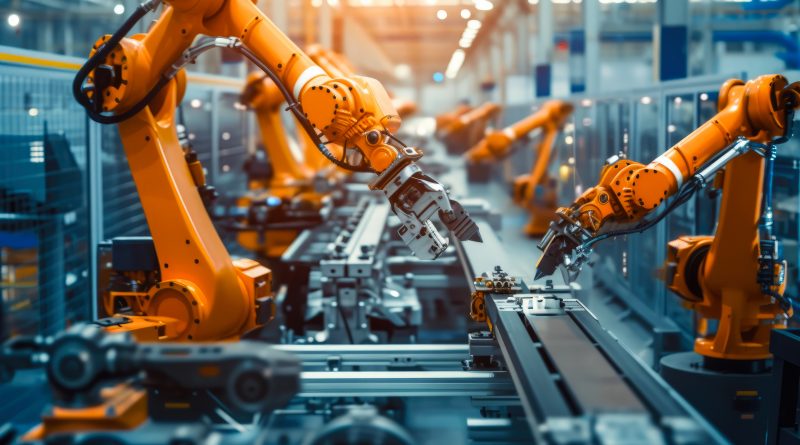
Emerging Trends in Remote Manufacturing Technologies
The field of remote industrial management is rapidly evolving. Here are some trends shaping the future of these systems:
- Artificial Intelligence and Machine Learning: AI-driven analytics are enabling predictive maintenance, process optimization, and anomaly detection with greater accuracy.
- Augmented Reality (AR) and Virtual Reality (VR): These tools are being used for remote troubleshooting, training, and equipment inspections, enhancing collaboration and reducing downtime.
- 5G Connectivity: Ultra-fast wireless networks are making it possible to transmit large volumes of data with minimal latency, supporting real-time control and monitoring.
- Digital Twins: Virtual replicas of physical assets allow for simulation, testing, and optimization of processes before changes are made on the factory floor.
As these technologies mature, they are expected to further increase the flexibility, resilience, and competitiveness of manufacturers worldwide.
How to Get Started with Remote Operations in Your Facility
For organizations considering the transition to remote management, a phased approach is often most effective. Here are some practical steps:
- Assess Current Capabilities: Evaluate existing equipment, connectivity, and digital maturity to identify gaps and opportunities.
- Define Objectives: Set clear goals for what you want to achieve—whether it’s reducing downtime, improving safety, or scaling operations.
- Select the Right Technologies: Choose solutions that integrate well with your infrastructure and address your specific needs.
- Prioritize Security: Implement robust cybersecurity measures from the outset to protect your assets and data.
- Invest in Training: Prepare your workforce for new workflows and tools to ensure a smooth transition.
- Monitor and Optimize: Use analytics to track performance, identify bottlenecks, and continuously improve your remote operations strategy.
If you’re interested in capturing the visual impact of automated production, you might appreciate the motion blur cinematic photography guide, which offers creative insights into documenting high-tech manufacturing environments.
Frequently Asked Questions
What industries benefit most from remote factory management?
Sectors such as automotive, electronics, pharmaceuticals, energy, and food processing often see the greatest gains from remote operations due to their need for high efficiency, safety, and scalability.
How secure are remote operation platforms?
Security depends on the implementation. Leading solutions use encryption, multi-factor authentication, and continuous monitoring to protect against cyber threats. However, ongoing vigilance and regular updates are essential.
Can legacy equipment be integrated with modern remote control systems?
Yes, but integration may require additional hardware (such as IoT gateways) or software adapters. A thorough assessment of existing assets is recommended before starting the upgrade process.
Is it possible to monitor multiple factories from a single location?
Absolutely. Centralized dashboards and cloud-based platforms are designed to provide unified oversight of multiple sites, making it easier to coordinate operations and share best practices across an organization.