
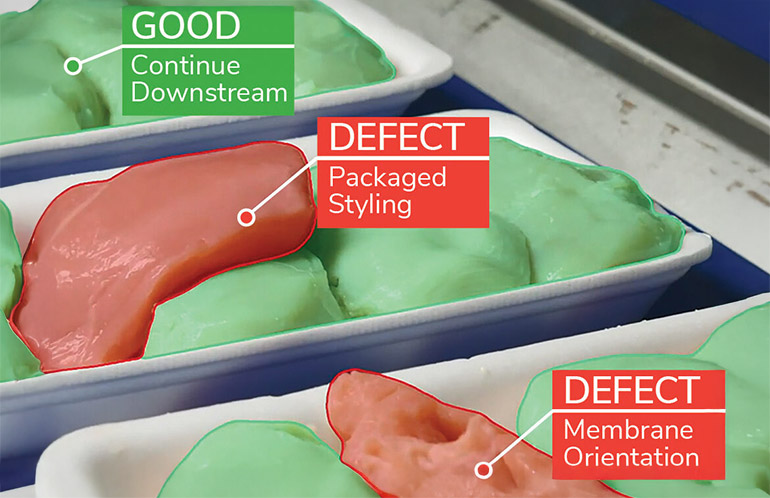
The food sector faces constant pressure to balance supply and demand, minimize waste, and respond to rapidly changing consumer preferences. Using AI for predictive demand forecasting in food has emerged as a transformative approach, helping companies anticipate market needs, optimize inventory, and improve profitability. With advanced algorithms and machine learning, businesses can analyze vast datasets to make more accurate predictions, streamline operations, and reduce costly errors.
As technology evolves, artificial intelligence is becoming a core component in food production, distribution, and retail. From anticipating seasonal trends to adjusting for sudden market shifts, AI-driven forecasting enables organizations to make data-backed decisions. This not only supports better resource allocation but also contributes to sustainability by reducing overproduction and food waste. For those interested in practical strategies to minimize waste, exploring how to reduce food waste with predictive analytics offers actionable insights that complement the benefits of AI-powered forecasting.
How Artificial Intelligence Transforms Demand Forecasting
Traditional forecasting methods in the food industry often rely on historical sales data, basic statistical models, and manual adjustments. While these approaches provide a starting point, they struggle to account for complex variables such as weather, promotions, social trends, and supply chain disruptions. AI-driven predictive demand forecasting leverages machine learning algorithms to process diverse data sources, identify hidden patterns, and adapt to real-time changes.
Key advantages of integrating AI into demand planning include:
- Improved accuracy: AI models can analyze large volumes of structured and unstructured data, resulting in more precise forecasts.
- Real-time responsiveness: Algorithms adjust predictions as new data becomes available, allowing businesses to react quickly to unexpected events.
- Automation: Routine forecasting tasks are automated, freeing up staff to focus on strategic decisions.
- Scenario analysis: AI tools can simulate various scenarios, helping companies prepare for different market conditions.
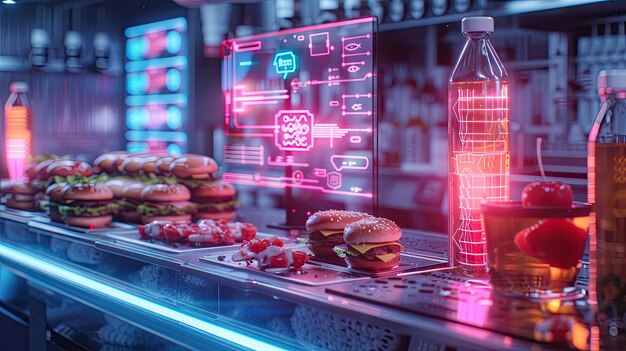
Key Applications of Predictive Analytics in Food Supply Chains
The application of predictive demand forecasting powered by AI spans the entire food supply chain, from farm to table. Here are some of the most impactful use cases:
- Inventory management: AI helps maintain optimal stock levels, reducing both shortages and excess inventory that can lead to spoilage.
- Production planning: Manufacturers can align production schedules with anticipated demand, minimizing downtime and resource waste.
- Distribution optimization: Predictive models enable more efficient routing and delivery, ensuring products reach shelves at peak freshness.
- Retail demand forecasting: Supermarkets and restaurants use AI to predict customer demand for specific products, adjusting orders and promotions accordingly.
- Waste reduction: By aligning supply with actual demand, AI-driven forecasting supports sustainability goals and cost savings.
For a deeper look at how technology is reshaping food processing, the article on how digital twins improve food processing efficiency explores another innovative approach that complements predictive analytics.
Data Sources and Technologies Behind AI Forecasting
The effectiveness of using AI for predictive demand forecasting in food depends on the quality and diversity of data inputs. Modern AI systems draw from a wide range of sources, including:
- Historical sales records
- Point-of-sale (POS) data
- Weather forecasts
- Social media trends
- Promotional calendars
- Supplier and logistics information
Machine learning models—such as neural networks, decision trees, and time series analysis—process this data to generate forecasts. These models continuously learn and improve as they are exposed to new information, making them highly adaptable to the dynamic food market.
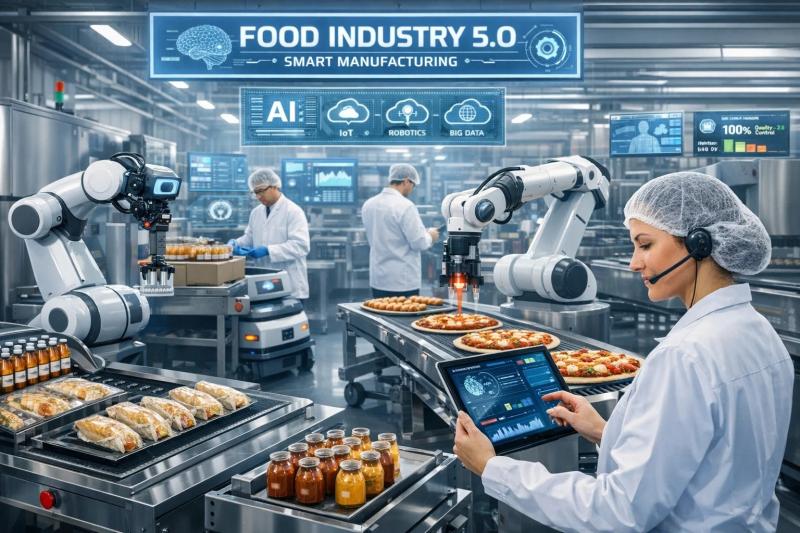
Benefits and Challenges of AI-Powered Demand Forecasting
The adoption of AI in demand forecasting brings significant benefits, but it also presents certain challenges that organizations must address.
Advantages
- Reduced food waste: Accurate forecasts help prevent overproduction and spoilage, supporting both environmental and financial objectives.
- Cost savings: Optimized inventory and production planning lead to lower operational costs.
- Enhanced customer satisfaction: Meeting demand more precisely ensures that customers find the products they want, when they want them.
- Competitive advantage: Early adopters of AI-driven forecasting can respond faster to market trends and disruptions.
Obstacles
- Data integration: Combining data from multiple sources and formats can be complex and time-consuming.
- Model transparency: Some AI models operate as “black boxes,” making it difficult to understand how predictions are made.
- Change management: Shifting from traditional methods to AI-based systems requires organizational buy-in and training.
- Initial investment: Implementing AI solutions involves upfront costs for technology and expertise.
Despite these challenges, the long-term gains from improved efficiency and reduced waste often outweigh the initial hurdles. For more on how predictive technologies can impact shelf life and quality, see the guide to predictive tools for shelf life estimation.
Integrating Predictive AI with Food Quality and Maintenance
AI’s role in food production extends beyond demand forecasting. By combining predictive analytics with quality control and maintenance, companies can further enhance operational reliability and product safety. For instance, integrating condition monitoring and predictive maintenance, as discussed in this overview of predictive maintenance in food and beverage production, helps prevent equipment failures that could disrupt supply chains or compromise food safety.
Additionally, machine learning is increasingly used to monitor product quality in real time. For a closer look at these advancements, the article on the role of machine learning in food quality control highlights how AI-driven inspections and analytics are raising industry standards.
Best Practices for Implementing AI-Based Forecasting in Food Businesses
Successfully adopting AI for predictive demand forecasting in the food sector requires careful planning and execution. Here are some best practices to consider:
- Start with clear objectives: Define what you want to achieve—whether it’s reducing waste, improving service levels, or optimizing logistics.
- Invest in data quality: Ensure that your data sources are accurate, up-to-date, and comprehensive.
- Choose the right technology: Select AI tools and platforms that fit your organization’s size, needs, and technical capabilities.
- Promote cross-functional collaboration: Involve stakeholders from IT, operations, sales, and procurement to ensure alignment and buy-in.
- Monitor and refine: Continuously evaluate forecast accuracy and update models as new data becomes available.
By following these steps, food businesses can unlock the full value of predictive analytics and stay ahead in a competitive market.
FAQ: Predictive AI in Food Industry Demand Planning
How does AI improve demand forecasting accuracy in the food sector?
AI enhances forecasting by analyzing large and diverse datasets, identifying complex patterns, and adapting predictions in real time. This leads to more precise estimates of future demand, helping companies reduce both shortages and excess inventory.
What types of data are used in AI-powered demand forecasting?
Predictive models use a combination of historical sales data, point-of-sale transactions, weather information, social media trends, promotional schedules, and supply chain metrics. The integration of these sources allows for more comprehensive and dynamic forecasts.
Can AI-based forecasting help reduce food waste?
Yes, aligning production and inventory with actual demand minimizes overproduction and spoilage. This not only cuts costs but also supports sustainability initiatives by reducing the amount of food discarded throughout the supply chain.