
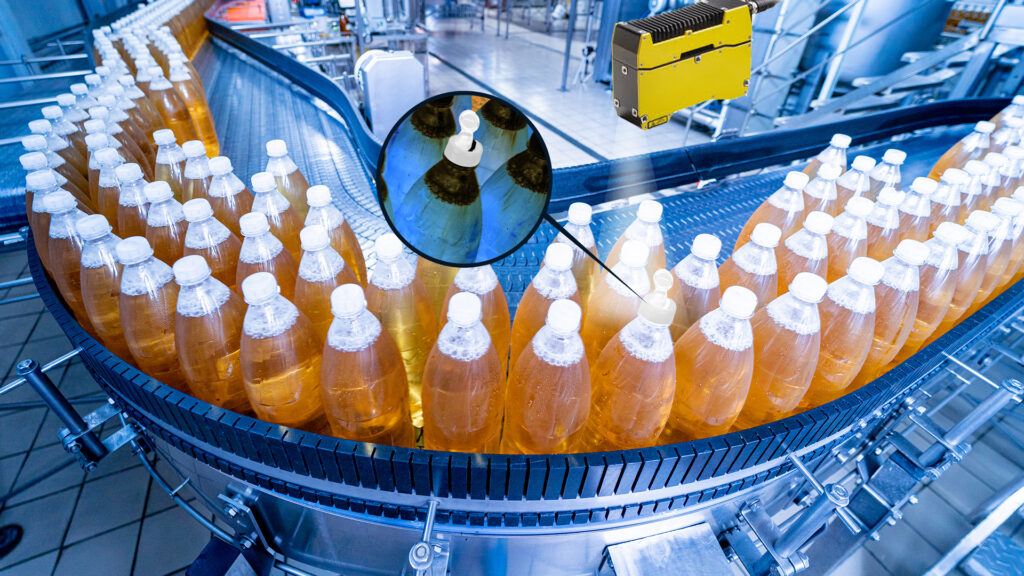
Food processing facilities rely on complex machinery to ensure safe, efficient, and high-quality production. As demand for reliability and compliance grows, so does the need for a robust predictive maintenance checklist for food machinery. This proactive approach helps prevent unexpected breakdowns, reduces downtime, and supports food safety standards. By following a structured plan, manufacturers can extend equipment life, optimize performance, and maintain regulatory compliance.
Understanding the difference between reactive and predictive strategies is essential. For a deeper dive into how these approaches compare, see this resource on the difference between reactive and predictive maintenance in food industry. Implementing the right checklist can transform maintenance from a cost center into a source of operational excellence.
Why Predictive Maintenance Matters in Food Processing
Food manufacturing environments are uniquely sensitive to equipment failures. A single malfunction can halt production, compromise product quality, or even trigger costly recalls. By using a predictive maintenance checklist for food machinery, facilities can identify early warning signs, schedule repairs before failures occur, and avoid unplanned downtime. This approach not only protects profit margins but also supports food safety and regulatory requirements.
Predictive strategies leverage data from sensors, machine learning, and historical trends to anticipate issues. This is a significant evolution from traditional preventive maintenance, which relies on fixed schedules and may not address actual equipment conditions. For more on how digital technologies are transforming food production, explore insights on how digital twins improve food processing efficiency.
Core Elements of a Predictive Maintenance Checklist
A comprehensive plan covers every stage of the maintenance cycle, from initial inspection to ongoing monitoring. The following elements should be included in any effective predictive maintenance program for food machinery:
- Asset Inventory: List all critical equipment, including mixers, conveyors, packaging lines, and refrigeration units.
- Sensor Integration: Ensure vibration, temperature, and pressure sensors are installed and calibrated for real-time monitoring.
- Historical Data Review: Analyze past maintenance records and failure trends to identify high-risk components.
- Condition Monitoring: Set thresholds for key indicators such as noise, heat, or abnormal vibrations.
- Lubrication and Cleaning: Schedule regular lubrication and cleaning based on actual usage and sensor feedback.
- Alignment and Calibration: Check for misalignment or calibration drift in critical machinery.
- Software Updates: Keep control systems and monitoring software up to date to ensure compatibility and security.
- Documentation: Maintain detailed logs of inspections, repairs, and sensor readings.
- Training: Ensure staff are trained to recognize early warning signs and use monitoring tools effectively.

Step-by-Step Guide to Implementing Predictive Maintenance
To get the most from your predictive maintenance checklist, follow these practical steps:
- Assess Current Equipment: Begin by cataloging all machinery and identifying which assets are most critical to production and food safety.
- Install Monitoring Devices: Equip machines with sensors to track vibration, temperature, and other key metrics. Integrate these with your facility’s data systems for continuous monitoring.
- Establish Baselines: Collect initial data to determine normal operating ranges for each machine. This helps set accurate thresholds for alerts.
- Analyze Data Regularly: Use analytics tools to spot trends and predict when maintenance is needed. Review sensor data, maintenance logs, and production records.
- Schedule Targeted Interventions: Plan maintenance activities based on actual equipment condition, not just time intervals. Prioritize high-risk assets and components.
- Document Actions: Record all inspections, repairs, and adjustments to create a clear maintenance history. This supports compliance and continuous improvement.
- Review and Refine: Regularly evaluate the effectiveness of your checklist and update it as new technologies or risks emerge.
Key Areas to Monitor in Food Machinery
Certain components are especially prone to wear and failure in food processing environments. Pay close attention to these areas:
- Bearings and Motors: Monitor for overheating, vibration, and noise, which can indicate impending failure.
- Belts and Chains: Check for signs of stretching, fraying, or misalignment.
- Seals and Gaskets: Inspect for leaks or degradation, especially in equipment exposed to moisture or cleaning chemicals.
- Electrical Systems: Look for irregular power consumption, loose connections, or signs of corrosion.
- Control Panels: Ensure all indicators and alarms are functioning correctly and software is updated.
- Sanitation Equipment: Verify that cleaning-in-place (CIP) systems are operating efficiently and not causing residue buildup.
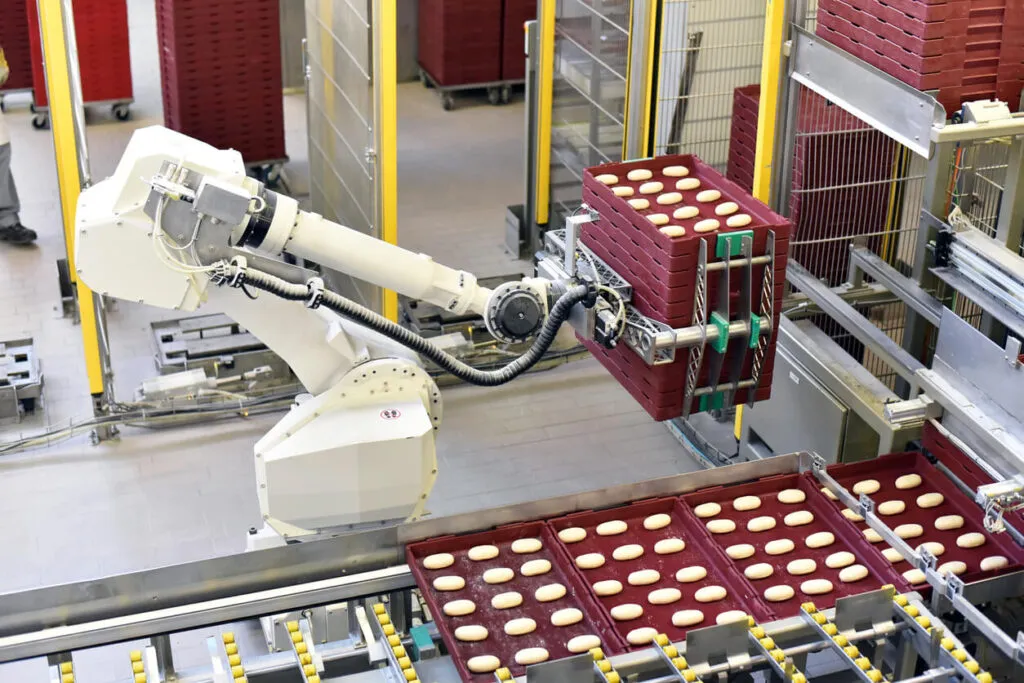
Best Practices for Food Safety and Compliance
A well-designed predictive maintenance plan not only improves reliability but also supports food safety initiatives. Here are some best practices:
- Integrate with HACCP: Align maintenance activities with Hazard Analysis and Critical Control Points (HACCP) protocols to minimize contamination risks.
- Maintain Cleanliness: Use food-grade lubricants and ensure all maintenance work adheres to sanitation standards.
- Traceability: Keep detailed records of maintenance activities to support audits and traceability requirements.
- Continuous Training: Regularly update staff on new procedures and technologies to maintain a culture of safety and compliance.
For more on leveraging advanced analytics to reduce waste and improve safety, see this guide on how to reduce food waste with predictive analytics.
Leveraging Technology for Predictive Maintenance
Modern food manufacturers are increasingly adopting digital solutions to enhance maintenance strategies. Technologies such as IoT sensors, cloud-based analytics, and machine learning algorithms provide real-time insights into equipment health. These tools enable teams to make data-driven decisions, prioritize interventions, and optimize resource allocation.
Artificial intelligence is also playing a growing role in quality control and predictive maintenance. To learn more about these advancements, explore the role of machine learning in food quality control.
For a broader industry perspective, consider reading this in-depth look at why food and beverage manufacturing must embrace predictive maintenance.
Common Challenges and How to Overcome Them
While predictive maintenance offers significant benefits, implementing it in food processing environments comes with challenges:
- Data Overload: Managing large volumes of sensor data can be overwhelming. Use automated analytics tools to filter and prioritize actionable insights.
- Integration Issues: Legacy equipment may not be compatible with modern sensors. Retrofit solutions or phased upgrades can help bridge the gap.
- Skill Gaps: Staff may require training to interpret data and use new technologies effectively. Invest in ongoing education and support.
- Cost Concerns: Initial investments in sensors and software can be significant, but long-term savings from reduced downtime and waste often outweigh upfront costs.
FAQ: Predictive Maintenance for Food Machinery
What is the main advantage of using predictive maintenance in food processing?
The primary benefit is the ability to anticipate equipment failures before they occur, reducing unplanned downtime and minimizing the risk of product contamination. This approach also helps extend machinery lifespan and supports compliance with food safety standards.
How often should predictive maintenance checks be performed?
The frequency depends on equipment type, usage intensity, and historical failure data. With real-time monitoring, maintenance can be scheduled based on actual machine condition rather than fixed intervals, ensuring timely interventions.
Can predictive maintenance help reduce food waste?
Yes, by keeping machinery running efficiently and preventing breakdowns, predictive strategies help maintain consistent product quality and reduce the likelihood of spoilage or recalls. For more details, see this article on how to reduce food waste with predictive analytics.
What technologies are essential for effective predictive maintenance?
Key technologies include IoT sensors for real-time data collection, analytics platforms for trend analysis, and machine learning algorithms for predictive insights. Integrating these tools with existing maintenance management systems enhances overall effectiveness.
Conclusion
A well-structured predictive maintenance checklist for food machinery is essential for modern food processing operations. By combining regular inspections, sensor-based monitoring, and data-driven decision-making, manufacturers can ensure equipment reliability, maintain food safety, and achieve operational excellence. Adopting these best practices positions facilities to meet industry challenges and deliver consistent, high-quality products.