
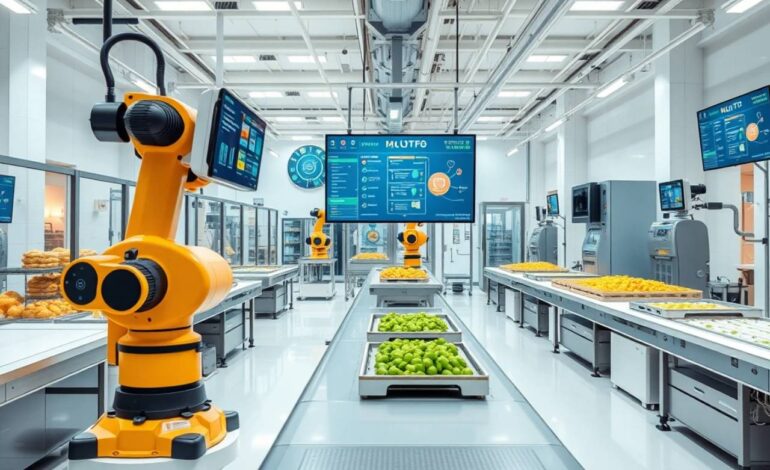
Modern food manufacturing is rapidly evolving, with IoT sensors playing a crucial role in improving safety, efficiency, and traceability. Implementing these smart devices on production lines can help monitor temperature, humidity, equipment performance, and product quality in real time. For food processors aiming to stay competitive, understanding the steps to install IoT sensors on food lines is essential for digital transformation and regulatory compliance.
Before diving into the installation process, it’s important to recognize how IoT technology connects with broader digital strategies. For example, integrating sensors can complement initiatives like how to reduce food waste with predictive analytics, helping companies minimize losses and optimize resource use.
Why IoT Sensors Are Transforming Food Processing
Adopting IoT devices in food production offers significant advantages. These sensors provide continuous monitoring, automate data collection, and enable predictive maintenance. With real-time alerts, food manufacturers can quickly respond to deviations, reducing the risk of contamination and equipment failure. Additionally, data from IoT sensors supports compliance with food safety standards and streamlines audits.
By following a structured approach, businesses can ensure a smooth transition to smart manufacturing. The next sections outline the key phases to successfully deploy IoT technology on your processing lines.
Step 1: Assess Production Line Needs and Set Objectives
The first step in implementing IoT sensors on food lines is to evaluate your facility’s unique requirements. Consider what you want to achieve—whether it’s monitoring temperature-sensitive zones, tracking machine uptime, or ensuring product consistency. Engage stakeholders from quality assurance, maintenance, and IT to define clear goals and identify critical control points.
Conduct a thorough site survey to map out existing equipment and infrastructure. This assessment helps determine the types of sensors needed (such as temperature, humidity, vibration, or flow sensors) and where they should be placed for optimal coverage.
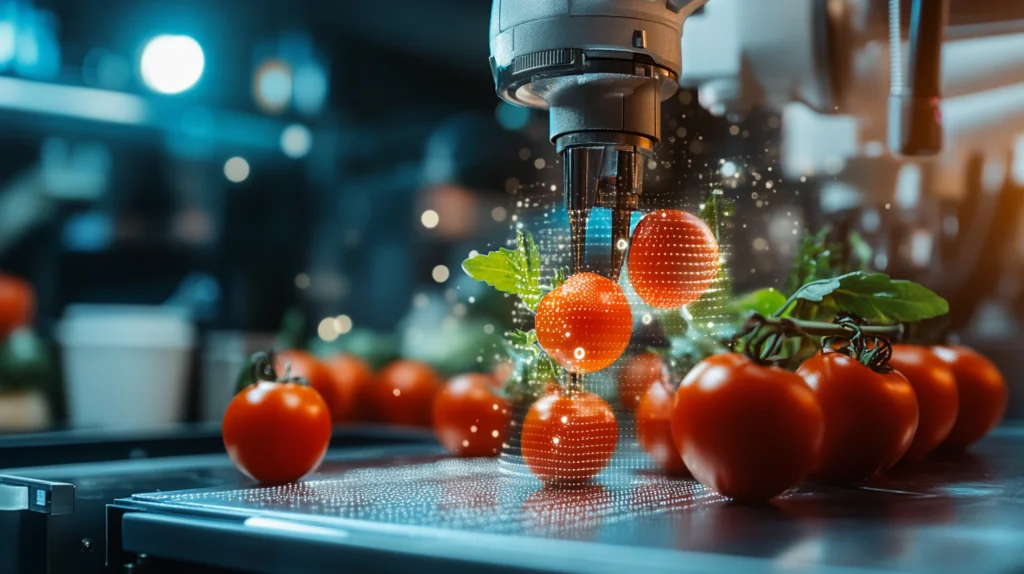
Step 2: Select Compatible IoT Sensors and Hardware
Choosing the right hardware is critical for long-term success. Select sensors that are food-grade, robust, and compliant with industry standards. Consider environmental factors such as exposure to moisture, cleaning chemicals, or extreme temperatures. Ensure compatibility with your existing machinery and IT systems.
It’s also important to evaluate connectivity options. Some sensors use Wi-Fi, while others rely on Bluetooth, LoRaWAN, or wired connections. The choice depends on your facility’s layout and network infrastructure. Look for solutions that support secure data transmission and easy integration with your central monitoring platform.
For more insights on leveraging digital technologies in food manufacturing, explore how how digital twins improve food processing efficiency and ROI.
Step 3: Plan Installation and Integration with Existing Systems
Before physically installing sensors, develop a detailed deployment plan. Identify installation points, power sources, and cable routing if needed. Collaborate with IT teams to ensure that sensor data can be securely transmitted to your central database or cloud platform.
Integration is a key part of the process. Work with your software providers to ensure that sensor data flows seamlessly into dashboards, analytics tools, or ERP systems. This integration enables real-time monitoring and supports data-driven decision-making across your operations.
Proper planning also involves scheduling installation during planned downtime or low-production periods to minimize disruption. Document all installation points and configurations for future reference and maintenance.

Step 4: Install Sensors and Configure Data Collection
With planning complete, proceed to install the sensors at designated locations. Follow manufacturer guidelines for mounting and calibration. For food environments, ensure that sensors are installed in a way that doesn’t interfere with cleaning or maintenance routines.
After installation, configure each sensor to communicate with your data collection system. Set up parameters such as sampling frequency, alert thresholds, and data retention policies. Test each sensor to verify accurate readings and reliable connectivity.
Training staff on sensor operation and troubleshooting is also essential. Provide clear documentation and hands-on instruction to ensure everyone understands how to respond to alerts and maintain the equipment.
Step 5: Monitor, Maintain, and Optimize Your IoT System
Once your sensors are operational, ongoing monitoring and maintenance are vital for sustained performance. Use dashboards to track key metrics and receive instant notifications of anomalies. Regularly review sensor data to identify trends, inefficiencies, or potential equipment failures.
Establish a maintenance schedule for cleaning, recalibrating, and replacing sensors as needed. Periodic audits help ensure compliance with food safety standards and support continuous improvement.
For a deeper understanding of how predictive maintenance can further enhance food industry operations, see this comprehensive guide to predictive maintenance in the food industry.
Additionally, integrating IoT data with machine learning can elevate your quality control processes. Learn more about the role of machine learning in food quality control for actionable insights.
Best Practices for Successful IoT Sensor Deployment
- Prioritize food safety: Use certified, food-grade sensors and follow hygiene protocols during installation.
- Start with a pilot project: Test sensors on a single line before scaling up across your facility.
- Ensure data security: Protect sensor data with encryption and secure network practices.
- Engage cross-functional teams: Involve operations, IT, and quality assurance for a holistic approach.
- Leverage analytics: Use collected data to optimize processes, reduce downtime, and improve product quality.
Common Challenges and How to Overcome Them
While the benefits of IoT in food manufacturing are clear, some challenges may arise during implementation:
- Legacy equipment: Older machines may not support direct sensor integration. Consider retrofitting or using external sensors with wireless connectivity.
- Network reliability: Food plants can have areas with poor connectivity. Use mesh networks or wired connections in critical zones.
- Data overload: Large volumes of sensor data can be overwhelming. Set up automated alerts and focus on actionable metrics.
- Change management: Provide training and clear communication to ensure staff buy-in and smooth adoption.
To further optimize shelf life and reduce waste, explore predictive tools for shelf life estimation that can be integrated with your IoT system.
FAQ: Installing IoT Sensors in Food Production
What types of IoT sensors are most commonly used in food processing?
The most common sensors include temperature, humidity, vibration, and flow sensors. These are used to monitor environmental conditions, equipment health, and product quality throughout the production process.
How do IoT sensors improve food safety and compliance?
By providing real-time monitoring and automated alerts, IoT sensors help detect deviations from safety standards quickly. This enables rapid response, reduces the risk of contamination, and simplifies compliance with regulatory requirements.
Can IoT sensors be retrofitted to existing food production equipment?
Yes, many modern sensors are designed for easy retrofitting. Wireless options and adaptable mounting solutions allow integration with both new and legacy equipment, making it feasible to upgrade existing lines without major overhauls.