
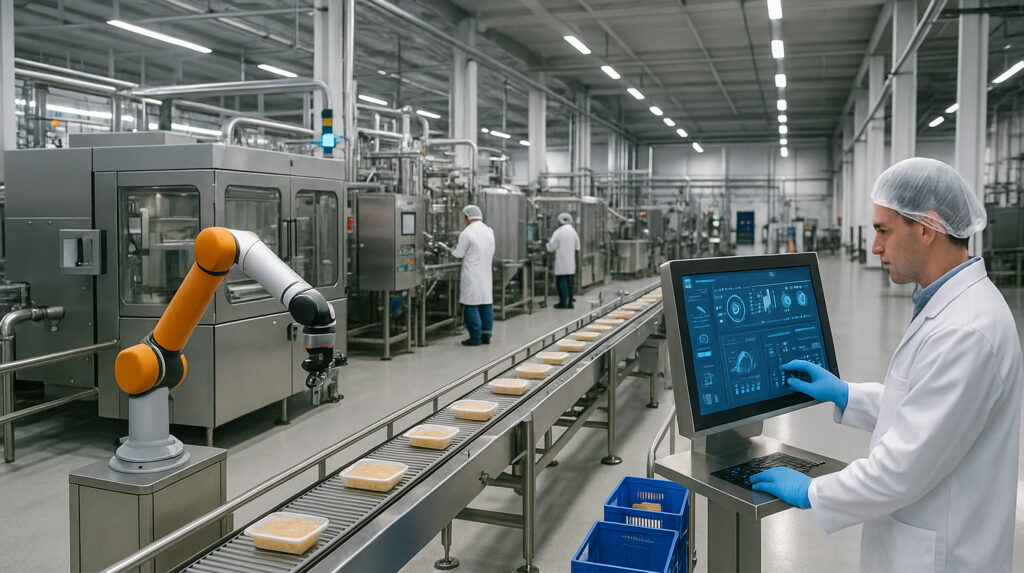
Food safety is a top priority for producers, retailers, and consumers alike. With the increasing complexity of global supply chains and the demand for fresher products, traditional methods of detecting contamination are often too slow or limited in scope. Today, predictive algorithms are transforming how the food industry identifies and prevents contamination, enabling real-time detection and rapid response to potential hazards.
This article explores the science and technology behind these advanced systems, highlighting how artificial intelligence, machine learning, and sensor data work together to safeguard food quality. We’ll also discuss the practical benefits, challenges, and future trends in this rapidly evolving field. For those interested in broader applications of AI in food quality, you may find our guide on the role of machine learning in food quality control particularly useful.
Understanding Predictive Models in Food Safety
At the core of modern food safety lies the use of predictive algorithms—mathematical models trained to recognize patterns and anomalies in large datasets. These systems analyze information from a variety of sources, such as temperature logs, humidity sensors, and microbial test results, to forecast the likelihood of contamination events before they escalate.
Unlike conventional testing, which often relies on periodic sampling, predictive models provide continuous monitoring. This shift enables food producers to act proactively, reducing the risk of recalls and protecting public health.
Key Technologies Powering Real-Time Detection
Several technological advancements have made it possible to detect contamination as it happens. The following are some of the most impactful:
- Machine Learning Algorithms: These systems learn from historical data, identifying subtle signals that might indicate contamination, such as unexpected changes in environmental conditions or production metrics.
- IoT Sensors: Internet of Things devices collect real-time data on temperature, moisture, and other critical factors throughout the supply chain.
- Edge Computing: Processing data close to the source (on the factory floor or in transport vehicles) allows for immediate analysis and alerts, minimizing delays.
- Cloud Integration: Centralized platforms aggregate and analyze data from multiple locations, providing a holistic view of food safety risks.
How Predictive Algorithms Identify Contamination Risks
The process of identifying contamination in real time involves several steps:
- Data Collection: Sensors and monitoring devices gather information on environmental conditions, product characteristics, and process parameters.
- Data Processing: Raw data is cleaned and structured, removing noise and highlighting relevant features for analysis.
- Pattern Recognition: Predictive models compare incoming data against historical records and known contamination events, searching for anomalies or warning signs.
- Risk Assessment: If the system detects a potential issue, it calculates the probability and severity of contamination, often using statistical models and machine learning classifiers.
- Alert Generation: When thresholds are exceeded, the system notifies operators or triggers automated interventions, such as halting production or isolating affected batches.
This approach not only speeds up detection but also reduces false positives, as algorithms can distinguish between harmless fluctuations and genuine threats.
Benefits of Real-Time Food Contamination Detection
Implementing predictive systems for contamination monitoring offers several advantages:
- Faster Response Times: Immediate alerts enable rapid containment and corrective action, minimizing the spread of contaminated products.
- Reduced Food Waste: By pinpointing specific batches at risk, producers can avoid unnecessary disposal of safe products. For more on this, see our article on how to reduce food waste with predictive analytics.
- Cost Savings: Early detection helps prevent costly recalls, legal liabilities, and reputational damage.
- Improved Compliance: Automated monitoring supports adherence to regulatory standards and documentation requirements.
- Enhanced Consumer Trust: Transparent, science-driven safety measures reassure customers and strengthen brand loyalty.
Challenges in Implementing Predictive Food Safety Systems
While the benefits are clear, there are several hurdles to widespread adoption:
- Data Quality: Inaccurate or incomplete sensor data can undermine the reliability of predictions.
- Integration Complexity: Connecting legacy systems, new sensors, and cloud platforms requires technical expertise and investment.
- Model Training: Algorithms must be trained on diverse datasets to ensure accuracy across different products and environments.
- Regulatory Acceptance: Authorities may require validation and standardization of predictive methods before recognizing them as official controls.
- Cybersecurity: Protecting sensitive production and safety data from breaches is essential.
Despite these challenges, ongoing advancements in AI and data science are steadily overcoming these obstacles, making predictive monitoring more accessible and effective.
Real-World Applications and Industry Examples
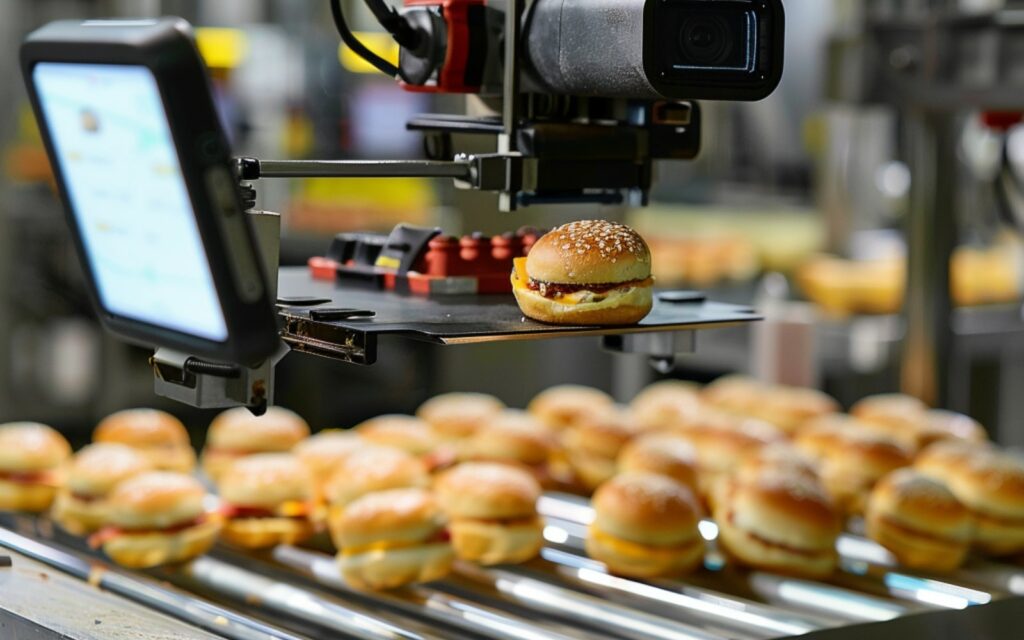
Food manufacturers and processors around the world are already leveraging predictive analytics to improve safety outcomes. For instance, some companies use AI-powered cameras to inspect products for visual signs of spoilage, while others deploy sensor networks to monitor temperature and humidity in storage facilities.
A notable example is the deployment of predictive maintenance systems in food processing plants, which not only help in contamination detection but also in equipment upkeep. For a deeper dive into this topic, you can explore the role of predictive maintenance in the food industry.
Additionally, the use of digital twins—virtual replicas of physical processes—enables simulation and optimization of safety protocols. Learn more about this innovative approach in our article on how digital twins improve food processing efficiency.
Future Trends in Predictive Food Safety
The evolution of predictive technologies is set to accelerate in the coming years. Key trends include:
- Greater Use of AI: Deep learning models are being developed to analyze complex, unstructured data such as images and sensor streams.
- Blockchain Integration: Secure, transparent data sharing across the supply chain will enhance traceability and accountability.
- Personalized Risk Assessment: Algorithms may soon tailor safety protocols to specific products, regions, or even consumer groups.
- Automated Interventions: Robotics and smart machinery will increasingly act on predictive insights without human intervention.
As these innovations mature, the food industry will be better equipped to prevent contamination, reduce waste, and deliver safer products to consumers worldwide. For those interested in shelf life management, our guide on predictive tools for shelf life estimation offers further insights.
FAQ
How do predictive algorithms differ from traditional food safety testing?
Traditional methods rely on periodic sampling and laboratory analysis, which can delay detection and allow contaminated products to reach consumers. In contrast, predictive systems use continuous data streams and advanced analytics to identify risks in real time, enabling immediate action and reducing the likelihood of widespread contamination.
What types of data are most important for real-time contamination detection?
Key data sources include temperature and humidity readings, microbial test results, production line metrics, and visual inspections. The integration of these diverse datasets allows predictive models to detect subtle changes that may signal contamination, often before it becomes visible or measurable by conventional means.
Are predictive food safety systems suitable for all types of food products?
While predictive monitoring is highly effective for many categories—such as dairy, meat, and fresh produce—its success depends on the availability and quality of relevant data. Some products may require specialized sensors or models, but ongoing research is expanding the applicability of these technologies across the entire food sector.