
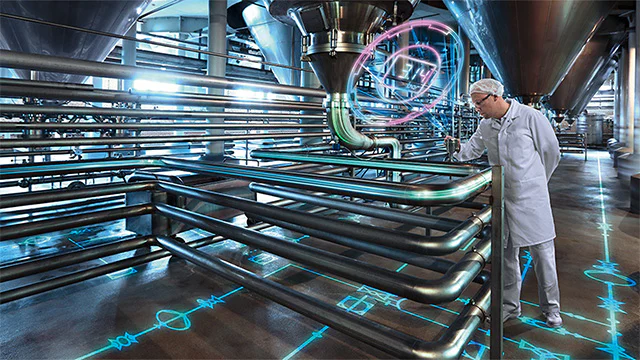
Cleaning-in-Place (CIP) systems are essential in industries such as food and beverage, pharmaceuticals, and dairy processing. These automated cleaning solutions ensure that internal surfaces of pipes, vessels, and equipment are thoroughly cleaned without the need for disassembly. As regulatory standards tighten and sustainability becomes a priority, optimizing CIP processes is more important than ever. Leveraging modern sensor technology offers a practical path to greater efficiency, reduced resource consumption, and improved hygiene outcomes.
This guide explores how sensors can transform CIP operations, offering actionable insights for plant managers, quality assurance professionals, and engineers. By integrating real-time data and analytics, facilities can move beyond traditional time-based cleaning cycles to smarter, data-driven approaches. For those interested in broader process optimization, you may also find value in learning how to optimize freezing cycles with data for enhanced production efficiency.
Understanding CIP and Its Challenges
CIP systems automate the cleaning of process equipment by circulating cleaning solutions through the system. Traditionally, these cycles are set to fixed durations and concentrations, often resulting in overuse of water, chemicals, and energy. This not only increases operational costs but can also impact sustainability goals and compliance with environmental regulations.
Key challenges in conventional CIP processes include:
- Inconsistent cleaning effectiveness due to equipment variability
- Excessive use of resources from fixed cleaning schedules
- Lack of real-time feedback on cleaning progress
- Difficulty verifying cleaning validation for audits and compliance
How Sensors Enable Smarter CIP Optimization
Integrating sensors into CIP systems provides real-time data on critical parameters such as flow rate, temperature, conductivity, turbidity, and pressure. This data-driven approach allows for dynamic adjustments, ensuring cleaning cycles are only as long and intense as necessary to achieve the desired hygiene level.
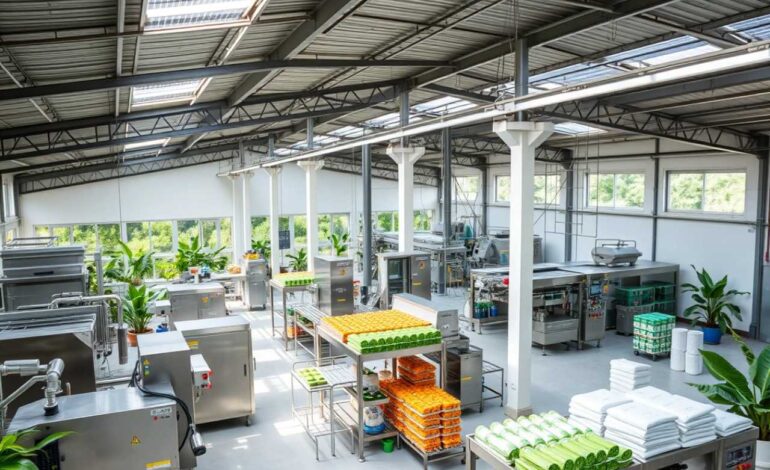
Key sensor types used in CIP optimization include:
- Conductivity sensors: Monitor the concentration of cleaning agents and rinse water, ensuring proper solution strength and effective rinsing.
- Turbidity sensors: Detect the presence of residual soils or cleaning agents in the system, signaling when rinsing is complete.
- Temperature sensors: Confirm that cleaning solutions reach the required temperatures for effective sanitation.
- Flow and pressure sensors: Ensure cleaning solutions are distributed evenly and at the correct velocity for optimal cleaning action.
By combining these sensor readings, facilities can implement real-time monitoring and control, reducing waste and improving process reliability.
Benefits of Sensor-Based CIP Optimization
Adopting a sensor-driven approach to cleaning-in-place delivers measurable advantages:
- Resource savings: Cleaning cycles can be stopped as soon as sensors confirm cleanliness, reducing water, chemical, and energy use.
- Shorter cleaning times: Dynamic adjustments based on real-time data minimize unnecessary downtime between production runs.
- Improved product safety: Sensors provide objective evidence of cleaning effectiveness, supporting compliance with food safety and pharmaceutical standards.
- Data-driven validation: Automated documentation of cleaning parameters simplifies audit preparation and regulatory reporting.
- Reduced environmental impact: Lower resource consumption aligns with sustainability initiatives and can reduce wastewater treatment costs.
For organizations seeking to further enhance process control, exploring how to use statistical process control in food manufacturing can complement sensor-based CIP optimization.
Implementing a Sensor-Driven CIP Strategy
Transitioning to a sensor-based CIP system involves several practical steps:
- Assess current CIP processes: Identify inefficiencies, resource usage patterns, and cleaning validation challenges.
- Select appropriate sensors: Choose sensors compatible with your process fluids, temperature ranges, and cleaning agents.
- Integrate sensors with control systems: Connect sensors to PLCs or SCADA systems for automated monitoring and control.
- Develop data-driven cleaning protocols: Use sensor data to establish cleaning endpoints, such as target conductivity or turbidity values.
- Train staff: Ensure operators and maintenance teams understand how to interpret sensor data and respond to system alerts.
- Validate and document: Use sensor-generated records to demonstrate cleaning effectiveness during audits.
Facilities that have adopted sensor-based CIP often report significant reductions in cleaning time and resource consumption, while also improving compliance and traceability.
Integrating Predictive Analytics and AI
The next evolution in CIP optimization involves combining sensor data with predictive analytics and artificial intelligence. By analyzing historical and real-time data, AI-powered systems can anticipate cleaning needs, detect anomalies, and recommend process improvements. This approach supports proactive maintenance, reduces unplanned downtime, and ensures consistent cleaning outcomes.
For a deeper look at how predictive maintenance is transforming food processing, see this overview of AI-powered predictive maintenance in food processing.
Best Practices for Maximizing CIP Efficiency with Sensors
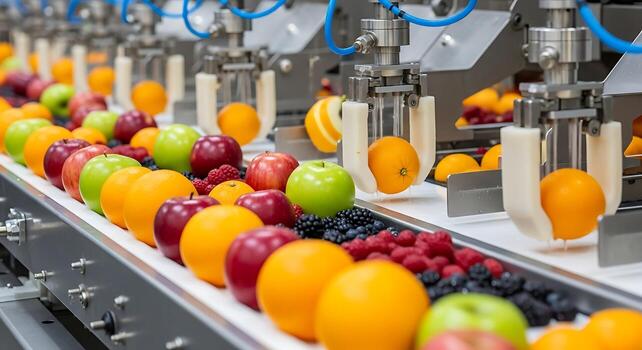
To fully realize the benefits of sensor-enabled CIP, consider these best practices:
- Regular sensor calibration: Maintain sensor accuracy through scheduled calibration and cleaning.
- Continuous data analysis: Use historical data to refine cleaning protocols and identify trends or recurring issues.
- Alarm management: Set up alerts for out-of-spec readings to enable quick intervention and prevent incomplete cleaning.
- Integration with other process controls: Link CIP data with production and quality systems for holistic process optimization.
- Documentation and traceability: Store sensor data securely for audit trails, troubleshooting, and continuous improvement.
For those interested in advanced automation, learning about understanding neural networks for food sorting can provide further insights into leveraging AI in manufacturing environments.
Common Pitfalls and How to Avoid Them
While sensor-based CIP offers many advantages, there are potential challenges to address:
- Sensor fouling: Regularly inspect and clean sensors to prevent buildup that can affect readings.
- Data overload: Focus on actionable metrics and avoid collecting unnecessary data that complicates analysis.
- Integration issues: Work closely with automation and IT teams to ensure seamless data flow between sensors and control systems.
- Change management: Engage staff early in the transition to build buy-in and ensure proper training.
By proactively addressing these issues, facilities can ensure a smooth transition and maximize the return on investment from sensor-based CIP optimization.
FAQ
What types of sensors are most important for CIP optimization?
The most critical sensors for optimizing cleaning-in-place include conductivity sensors (for monitoring cleaning agent concentration and rinse effectiveness), turbidity sensors (for detecting residual soils), temperature sensors (for ensuring proper sanitation), and flow/pressure sensors (for verifying solution distribution). Each plays a unique role in providing real-time feedback and enabling data-driven cleaning cycles.
How does sensor-based CIP improve sustainability?
By using real-time data to end cleaning cycles as soon as the system is clean, sensor-based CIP reduces unnecessary water, chemical, and energy consumption. This not only lowers operating costs but also supports environmental goals by minimizing waste and reducing the facility’s ecological footprint.
Can sensor data be used for regulatory compliance and audits?
Yes, sensor-generated data provides objective, timestamped records of cleaning parameters such as temperature, conductivity, and flow. This documentation can be used to demonstrate compliance with food safety, pharmaceutical, and environmental regulations during audits, making the process more transparent and efficient.
Conclusion
Optimizing cleaning-in-place systems with modern sensor technology is a practical and effective way to enhance efficiency, reduce costs, and ensure product safety. By moving from fixed, time-based cleaning to data-driven, real-time control, manufacturers can achieve higher standards of hygiene and sustainability. As sensor technology and analytics continue to advance, the potential for further improvements in process control and predictive maintenance will only grow.
For additional insights into process optimization and digital transformation in manufacturing, explore topics like how predictive tools assist in traceability and the benefits of vibration analysis for conveyor belts.