
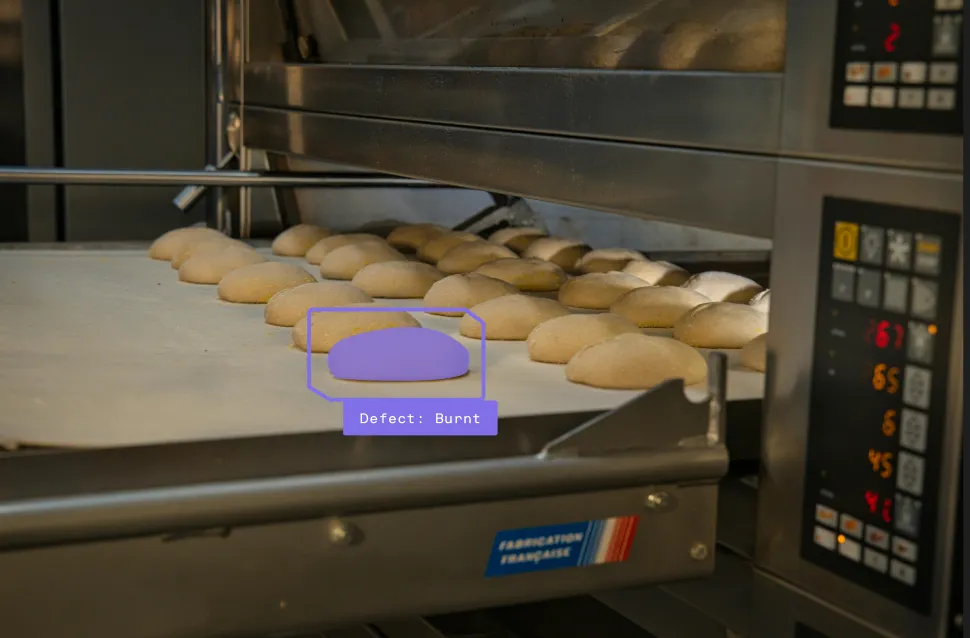
The food industry faces increasing pressure to maintain transparency, safety, and regulatory compliance across complex supply chains. As consumer expectations rise and regulations tighten, companies are seeking advanced solutions to track products from source to shelf. How predictive tools assist in traceability has become a central question for food manufacturers, processors, and retailers aiming to reduce risk, improve quality, and meet compliance standards efficiently.
Predictive analytics, artificial intelligence, and machine learning are transforming the way food businesses monitor, analyze, and respond to data throughout the production and distribution process. By leveraging these technologies, organizations can anticipate issues before they escalate, streamline documentation, and ensure that every step of the journey is accounted for. This article explores the practical applications, benefits, and challenges of integrating predictive tools into food traceability and compliance strategies.
For those interested in related technologies, exploring the role of edge computing in food processing lines can provide additional insights into how digital tools are reshaping food safety and operational efficiency.
Understanding Predictive Tools in Food Supply Chains
Predictive tools in the food sector refer to software and systems that use historical and real-time data to forecast potential events, identify trends, and suggest proactive actions. These solutions often combine data from sensors, production equipment, logistics, and external sources to build a comprehensive view of the supply chain.
Key technologies include:
- Predictive analytics platforms that analyze patterns to forecast equipment failures, quality deviations, or supply disruptions.
- Machine learning algorithms that continuously improve their accuracy as more data is collected.
- IoT sensors that provide real-time monitoring of temperature, humidity, and other critical parameters.
By integrating these tools, companies can move from reactive problem-solving to a proactive approach, identifying risks and opportunities before they impact product quality or compliance.
How Predictive Tools Assist in Traceability and Regulatory Compliance
One of the most significant advantages of predictive technologies is their ability to enhance traceability—the capacity to track every ingredient, process, and movement within the food supply chain. This is crucial for meeting regulatory requirements, such as those set by the FDA, EU, and other governing bodies.
How predictive tools assist in traceability can be seen in several practical applications:
- Real-time tracking: Predictive systems aggregate data from multiple sources, allowing companies to trace products instantly from farm to fork. This ensures rapid response in the event of a recall or contamination.
- Automated documentation: Compliance often requires extensive record-keeping. Predictive platforms can automate data capture and reporting, reducing manual errors and administrative burden.
- Risk identification: By analyzing trends, predictive tools can flag batches or shipments that deviate from expected parameters, enabling preventive action before non-compliance occurs.
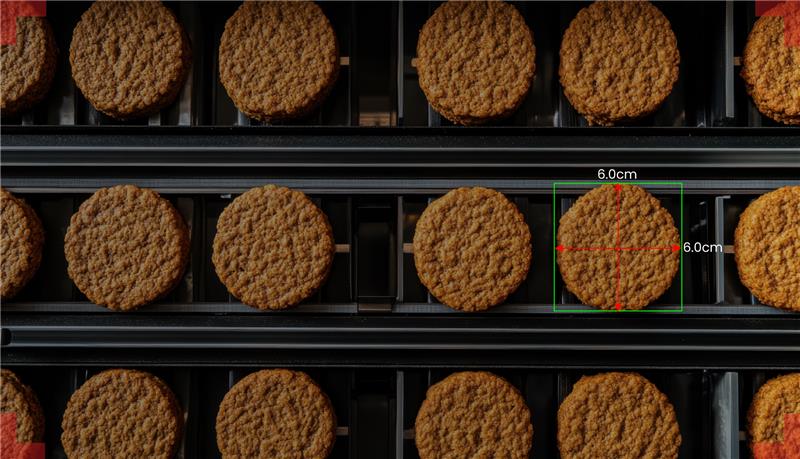
For example, if a temperature sensor detects that a shipment of dairy products has exceeded safe limits, the predictive system can automatically alert quality teams and initiate corrective measures, minimizing the risk of unsafe products reaching consumers.
Benefits of Predictive Analytics for Food Businesses
The adoption of predictive tools in food traceability and compliance offers a range of benefits:
- Improved food safety: Early detection of potential hazards helps prevent contamination and ensures that only safe products reach the market.
- Faster recalls: In the event of a food safety incident, predictive traceability systems enable rapid identification and isolation of affected batches, reducing the scope and impact of recalls.
- Operational efficiency: Automation of monitoring and reporting processes frees up staff to focus on higher-value tasks and reduces the likelihood of human error.
- Regulatory readiness: Automated compliance documentation ensures that companies are always prepared for audits and inspections, minimizing legal and financial risks.
- Cost savings: By preventing spoilage, reducing waste, and optimizing resource allocation, predictive analytics can deliver significant cost efficiencies.
These benefits are especially important in highly regulated environments, where non-compliance can result in fines, recalls, and reputational damage.
Challenges and Considerations in Implementing Predictive Solutions
While the advantages are clear, integrating predictive tools into existing food production and supply chain systems is not without challenges. Some common hurdles include:
- Data quality and integration: Predictive analytics rely on accurate, timely data from multiple sources. Inconsistent or incomplete data can undermine the effectiveness of these tools.
- Change management: Employees may need training to adapt to new workflows and technologies. Clear communication and support are essential for successful adoption.
- Cost and scalability: Initial investment in predictive platforms and IoT infrastructure can be significant, especially for smaller businesses. However, the long-term benefits often outweigh these costs.
- Cybersecurity: As more devices and systems connect to the network, protecting sensitive data becomes increasingly important.
Despite these challenges, many organizations are finding that the value delivered by predictive solutions justifies the effort required for implementation.
Integrating Predictive Maintenance and Quality Control
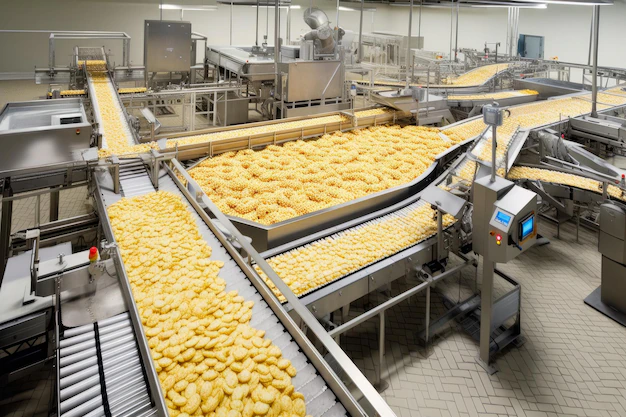
Predictive tools are not limited to traceability and compliance; they also play a crucial role in equipment maintenance and quality assurance. By monitoring machinery and production lines, these systems can forecast potential failures and schedule maintenance before breakdowns occur. This minimizes downtime, maintains product consistency, and supports overall food safety.
For a practical overview of how to launch such initiatives, see this step-by-step guide to starting a predictive maintenance program in food production.
Additionally, predictive analytics can be combined with other digital solutions, such as how to integrate SCADA with predictive software, to create a unified platform for monitoring, control, and compliance.
Future Trends in Digital Traceability and Food Compliance
The evolution of predictive tools is closely linked to broader trends in digital transformation within the food industry. Emerging technologies such as blockchain, advanced sensor networks, and edge computing are further enhancing the ability to collect, analyze, and act on supply chain data.
For example, combining predictive analytics with the impact of the Industrial Internet of Things on food safety allows for even more granular monitoring and faster response times. As these technologies mature, we can expect traceability systems to become even more robust, automated, and accessible to businesses of all sizes.
Frequently Asked Questions
What types of data do predictive tools use for food traceability?
Predictive solutions typically analyze data from IoT sensors, production equipment, supply chain management systems, and external sources such as weather or transportation data. This information is used to identify patterns, forecast risks, and automate compliance documentation.
How do predictive tools help with regulatory compliance?
By automating data capture and reporting, predictive platforms ensure that all required records are accurate and up to date. They can also flag deviations from regulatory standards, enabling companies to take corrective action before issues escalate.
Are predictive analytics suitable for small and medium-sized food businesses?
Yes, many predictive solutions are scalable and can be tailored to the needs of smaller operations. While initial setup may require investment, the long-term benefits in safety, efficiency, and compliance often justify the cost.
In summary, the integration of predictive tools is reshaping food traceability and compliance, offering new levels of visibility, efficiency, and safety. By leveraging these technologies, food businesses can stay ahead of regulatory demands, protect consumers, and build trust in their brands.