
Maintaining precise control over liquid levels is essential for industries such as food processing, chemical manufacturing, water treatment, and pharmaceuticals. Inaccurate readings can lead to costly downtime, product loss, or even safety hazards. As technology advances, predictive tools for liquid level monitoring have become indispensable for ensuring operational efficiency and regulatory compliance.
Modern solutions go beyond simple detection—they leverage data analytics, machine learning, and smart sensors to anticipate changes and prevent issues before they arise. This article explores the most effective technologies, their benefits, and how organizations can implement them for reliable results.
For those interested in scaling up their predictive maintenance efforts, especially in food manufacturing environments, how to scale predictive maintenance programs provides a detailed look at best practices and strategies.
Why Predictive Solutions Are Transforming Liquid Level Management
Traditional level monitoring systems often rely on fixed thresholds and reactive alarms. While these methods can detect when a tank is full or empty, they lack the intelligence to forecast trends or identify subtle anomalies. Predictive tools for liquid level monitoring address these limitations by using real-time data, historical patterns, and advanced algorithms to deliver actionable insights.
- Proactive maintenance: Early detection of leaks, blockages, or sensor drift reduces unplanned downtime.
- Resource optimization: Accurate forecasting helps optimize inventory, reduce waste, and improve supply chain planning.
- Regulatory compliance: Automated data logging and alerts support traceability and reporting requirements.
- Enhanced safety: Predictive analytics can identify conditions that may lead to spills or hazardous situations before they occur.
Key Technologies in Predictive Liquid Level Monitoring
Several technologies form the backbone of modern predictive monitoring systems. Each offers unique strengths depending on the application, environment, and required level of accuracy.
Smart Sensors and IoT Integration
Smart sensors are the foundation of any predictive monitoring setup. These devices continuously collect data on liquid levels, temperature, pressure, and other relevant parameters. When connected to the Industrial Internet of Things (IIoT), they enable remote monitoring and real-time data sharing across facilities.
Wireless connectivity allows for rapid deployment and integration with cloud-based analytics platforms. This setup is particularly valuable in industries where tanks and vessels are distributed across large sites or remote locations.
Machine Learning and Data Analytics
By applying machine learning algorithms to sensor data, organizations can identify patterns that indicate normal operation or signal potential issues. Predictive models can forecast when a tank will reach a critical level, detect gradual changes in usage, or flag abnormal fluctuations that may suggest leaks or equipment faults.
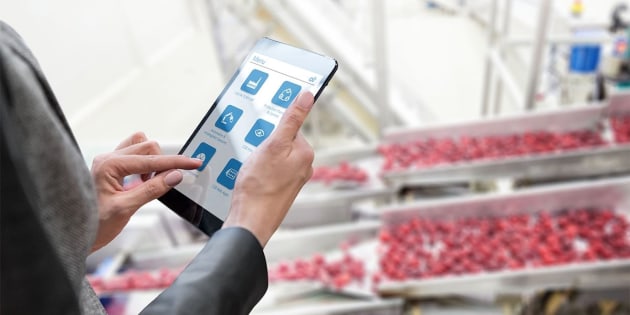
Data analytics platforms often present this information through dashboards, trend graphs, and automated reports, making it easier for operators to make informed decisions.
Ultrasonic and Radar-Based Level Sensors
Ultrasonic and radar sensors are widely used for non-contact level measurement. These technologies are highly accurate and suitable for applications where the liquid is corrosive, hazardous, or prone to foaming. When combined with predictive analytics, these sensors provide early warnings of abnormal fill rates or unexpected drops in level.
Radar sensors, in particular, are effective in challenging environments where dust, vapor, or temperature changes might interfere with other measurement methods.
RFID and Advanced Tracking Solutions
Radio Frequency Identification (RFID) technology is increasingly used to enhance traceability and compliance in liquid handling. RFID tags attached to containers or pipelines enable automated identification and tracking throughout the production process. When integrated with predictive monitoring systems, RFID can help ensure that the right materials are in the right place at the right time, reducing the risk of cross-contamination or mislabeling.
For more on how predictive technologies support food traceability and compliance, see how predictive tools assist in traceability.
Benefits of Implementing Predictive Monitoring in Industrial Settings
Adopting advanced monitoring tools offers a range of benefits for manufacturers and operators:
- Reduced operational costs: Preventing overfills, spills, and equipment failures minimizes cleanup expenses and product loss.
- Improved uptime: Predictive alerts allow maintenance teams to address issues before they escalate, keeping processes running smoothly.
- Better decision-making: Access to real-time and historical data supports continuous improvement and strategic planning.
- Compliance assurance: Automated record-keeping and reporting simplify audits and help meet industry regulations.

Choosing the Right Predictive Tools for Your Application
Selecting the appropriate technology depends on several factors, including the type of liquid, tank size, environmental conditions, and integration requirements. Here are some considerations to guide your decision:
- Measurement accuracy: Ensure the chosen sensors meet the precision needs of your process.
- Environmental compatibility: Consider temperature, humidity, and chemical exposure when selecting hardware.
- Connectivity: Opt for solutions that support wireless communication and seamless integration with existing systems.
- Scalability: Look for platforms that can grow with your operation and accommodate future expansion.
- Data security: Protect sensitive operational data with robust cybersecurity measures.
For a deeper understanding of how neural networks are being used to optimize sorting and quality control in food processing, understanding neural networks for food sorting offers valuable insights.
Real-World Applications and Industry Examples
Industries worldwide are leveraging predictive monitoring to achieve measurable improvements. In the food sector, for example, accurate liquid level tracking is critical for batching, blending, and cleaning processes. By implementing smart sensors and analytics, companies can reduce ingredient waste and ensure consistent product quality.
In water treatment plants, predictive systems help operators manage reservoir levels, anticipate demand fluctuations, and detect leaks in distribution networks. Chemical manufacturers benefit from early warnings of tank overfills or hazardous conditions, improving both safety and compliance.
For a closer look at predictive maintenance in the food industry, predictive maintenance strategies for food processing highlights practical approaches and success stories.
Integrating Predictive Monitoring with Existing Processes
Transitioning to predictive monitoring does not require a complete overhaul of existing infrastructure. Many modern solutions are designed for compatibility with legacy systems, allowing for phased implementation and minimal disruption. Key steps include:
- Assessing current monitoring capabilities and identifying gaps.
- Choosing sensors and analytics platforms that align with operational goals.
- Training staff on new tools and establishing protocols for responding to predictive alerts.
- Regularly reviewing data and refining predictive models based on real-world performance.
For those interested in process optimization, how to use statistical process control in food manufacturing provides actionable guidance on leveraging data for continuous improvement.
Frequently Asked Questions
What are the main advantages of predictive tools for liquid level monitoring over traditional systems?
Predictive solutions provide early warnings, reduce downtime, and enable proactive maintenance. Unlike traditional systems that only react to threshold breaches, predictive technologies analyze trends and patterns, allowing operators to address issues before they impact operations.
Can predictive monitoring tools be integrated with existing equipment?
Yes, most modern predictive monitoring platforms are designed to work alongside legacy systems. Wireless sensors and cloud-based analytics can be added incrementally, minimizing the need for costly upgrades or process interruptions.
How do predictive monitoring systems support regulatory compliance?
These tools automate data collection, logging, and reporting, making it easier to demonstrate compliance during audits. They also provide traceability and documentation for critical events, which is essential in regulated industries like food and pharmaceuticals.
Conclusion
Adopting advanced technologies for liquid level management is no longer optional for organizations aiming to stay competitive, safe, and compliant. By leveraging predictive tools for liquid level monitoring, businesses can achieve greater accuracy, reduce operational risks, and unlock new efficiencies. As these solutions continue to evolve, their role in shaping the future of industrial automation and process control will only grow.