

Water is a critical resource in the food industry, especially during washing and cleaning operations. As sustainability becomes a higher priority and water scarcity affects more regions, finding ways to reduce water consumption in food washing is essential for both environmental and economic reasons. Food processors, manufacturers, and facility managers are increasingly seeking practical strategies to minimize water use while maintaining hygiene and product quality.
This article explores proven techniques and modern technologies that help cut water usage in food washing operations. We’ll cover process optimization, equipment upgrades, and smart monitoring, as well as highlight the benefits of adopting a water-efficient approach. For those interested in related topics, understanding how to predict spoilage rates in transit can further enhance food safety and operational efficiency.
Understanding Water Use in Food Washing
Food washing is a vital step in processing fruits, vegetables, grains, and other raw ingredients. It removes dirt, pesticides, and potential contaminants, ensuring food safety and quality. However, traditional washing systems often use large volumes of water, much of which becomes wastewater. Identifying where and how water is consumed allows businesses to target improvements and adopt more sustainable practices.
Optimizing Washing Processes for Lower Water Use
One of the most effective ways to reduce water consumption in food washing is to optimize the washing process itself. This involves reviewing every stage, from pre-wash to final rinse, and eliminating unnecessary steps or excessive rinsing. Here are some actionable steps:
- Pre-sorting and dry cleaning: Removing debris and soil before washing can significantly reduce the amount of water needed. Mechanical brushing or air-blowing systems are effective for this purpose.
- Batch washing over continuous flow: Batch systems allow for better control over water use, as opposed to continuous flow systems that may run unnecessarily when not in use.
- Reusing wash water: Implementing a counter-current washing system, where cleaner water is used for the final rinse and then reused for earlier stages, can save substantial amounts of water.
Technological Solutions for Efficient Water Management
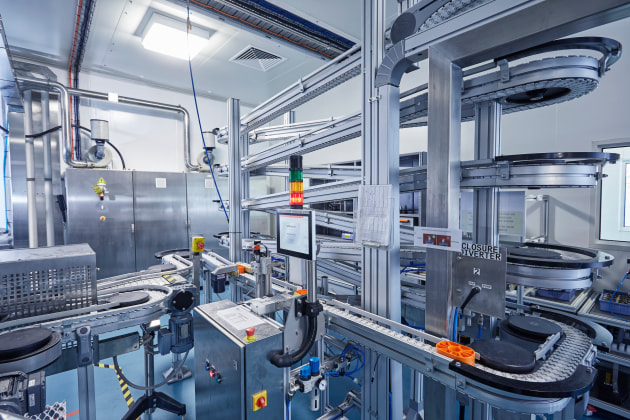
Modern technology offers several solutions for minimizing water use in food washing operations. Upgrading equipment and integrating smart systems can deliver both immediate and long-term savings. Consider these options:
- High-pressure, low-volume nozzles: These nozzles use less water while maintaining effective cleaning power, making them ideal for conveyor and spray washing systems.
- Automated sensors and controls: Installing sensors to monitor water quality and flow rates ensures that water is only used when necessary. Automation can also detect when produce is present, reducing unnecessary operation.
- Closed-loop water recycling: Advanced filtration and treatment systems allow wash water to be cleaned and reused multiple times, dramatically reducing total consumption.
For facilities interested in predictive maintenance and process optimization, exploring AI-driven predictive maintenance in food processing can further enhance efficiency and reduce resource waste.
Best Practices for Reducing Water Waste
Beyond equipment upgrades, adopting best practices across the facility can help achieve significant water savings. Here are some guidelines to follow:
- Regular maintenance: Check for leaks, worn gaskets, and faulty valves that can cause water loss. Routine inspections ensure systems operate at peak efficiency.
- Employee training: Educate staff on the importance of water conservation and proper washing techniques. Simple changes in behavior, such as shutting off equipment when not in use, can make a big difference.
- Monitoring and benchmarking: Track water use across different lines and shifts to identify trends and areas for improvement. Set targets and review progress regularly.
Benefits of Reducing Water Use in Food Washing
Implementing ways to reduce water consumption in food washing brings a range of benefits to food manufacturers and processors:
- Cost savings: Lower water bills and reduced wastewater treatment costs directly impact the bottom line.
- Regulatory compliance: Many regions have strict limits on water use and discharge. Efficient systems help meet these requirements and avoid penalties.
- Environmental stewardship: Conserving water supports sustainability goals and improves a company’s public image.
- Improved product quality: Properly managed washing processes can enhance food safety and reduce spoilage.
Integrating Digital Tools and Data Monitoring
Digitalization is transforming how food facilities manage resources. By integrating digital flow meters and real-time monitoring, companies can gain precise control over water usage. For example, those interested in ingredient accuracy can learn more about how to use digital flow meters for ingredient accuracy, which also applies to optimizing water flow in washing systems.
Data-driven insights allow for quick identification of inefficiencies, prompt maintenance, and continuous improvement. Combined with automation, these tools can help facilities achieve their water reduction targets more reliably.
Design Considerations for New and Existing Facilities
Facility layout and equipment placement play a significant role in water efficiency. When designing or upgrading a food processing plant, consider:
- Shorter piping runs: Reducing the distance water must travel minimizes losses and makes maintenance easier.
- Centralized washing stations: Grouping washing operations can simplify water recycling and management.
- Flexible system design: Modular systems allow for easy upgrades as new water-saving technologies become available.
For a deeper dive into optimizing facility layouts, see this resource on the role of simulation software in food factory design.
Common Challenges and How to Overcome Them
While the benefits of water conservation are clear, implementation can present challenges:
- Initial investment: Upgrading equipment or installing recycling systems requires capital. However, payback periods are often short due to ongoing savings.
- Quality assurance: Ensuring that reduced water use does not compromise cleanliness is crucial. Pilot testing and monitoring are recommended before full-scale adoption.
- Change management: Staff may be resistant to new procedures. Ongoing training and clear communication help ease transitions.
FAQ: Reducing Water Use in Food Washing Operations
What is the most effective way to cut water use in food washing?
The most impactful approach is to combine process optimization—such as pre-sorting and counter-current washing—with equipment upgrades like high-efficiency nozzles and water recycling systems. Monitoring and regular maintenance also play a key role.
Can water recycling affect food safety?
When properly designed and maintained, closed-loop recycling systems use filtration and disinfection to ensure water quality meets food safety standards. Regular testing and monitoring are essential to prevent contamination.
How can digital tools help reduce water consumption?
Digital flow meters, sensors, and automated controls provide real-time data on water use, enabling precise adjustments and early detection of leaks or inefficiencies. These tools support continuous improvement and help facilities meet sustainability goals.
Conclusion
Adopting ways to reduce water consumption in food washing is not only a matter of regulatory compliance but also a smart business decision. By optimizing processes, investing in efficient technologies, and fostering a culture of conservation, food manufacturers can achieve significant water savings while maintaining high standards of hygiene and product quality. With growing pressure on global water resources, these strategies are more important than ever for a sustainable future in the food industry.