
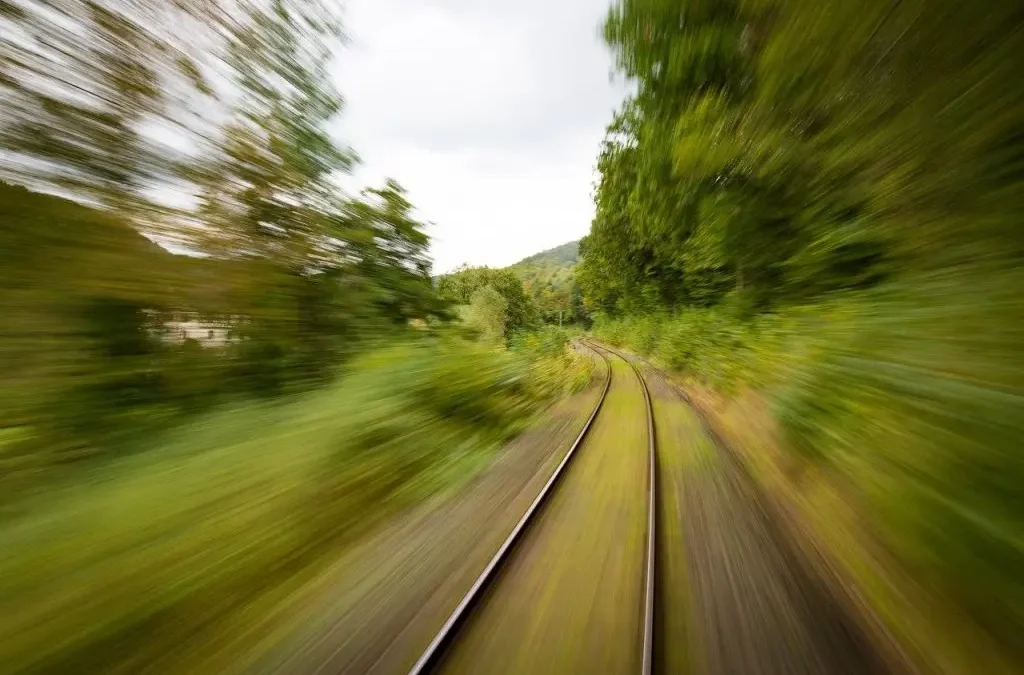
Capturing the energy and emotion of a wedding day often means going beyond traditional posed portraits. Motion blur wedding photography offers a dynamic way to tell the story of a couple’s celebration, infusing images with movement, atmosphere, and a sense of fleeting moments. This approach can transform ordinary scenes into visually striking memories, highlighting the joy, excitement, and romance that define the occasion.
Whether you’re a professional photographer or an enthusiastic hobbyist, experimenting with motion blur techniques can add a creative edge to your wedding portfolio. By understanding how to control shutter speed, lighting, and composition, you can create images that stand out and evoke genuine emotion. For those seeking inspiration, exploring motion blur composition examples can provide valuable ideas for your next shoot.
Why Use Motion Blur in Wedding Photography?
Incorporating motion blur into wedding images is about more than just technical skill—it’s a way to express the vibrancy and spontaneity of the day. This style can:
- Convey movement—from dancing guests to a couple’s first twirl, blur can emphasize action and excitement.
- Create atmosphere—soft streaks of light or flowing fabric can evoke romance and dreamlike moods.
- Highlight emotion—by focusing on the feeling of a moment rather than perfect sharpness, you capture genuine reactions and connections.
- Stand out from traditional portraits—motion blur gives your portfolio a creative signature that clients will remember.
Essential Techniques for Creative Motion Blur Shots
To master motion blur wedding photography, it’s important to understand the core techniques that produce beautiful, intentional results. Here are some foundational methods to try:
Slow Shutter Speeds
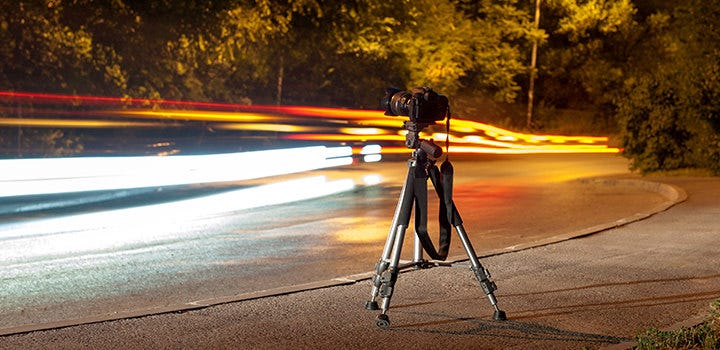
The primary tool for introducing blur is a slower shutter speed. Depending on the effect you want, experiment with settings between 1/10 and 1/2 second. Use a tripod or stable surface to keep stationary elements sharp while allowing moving subjects to blur.
Panning for Dynamic Movement
Panning involves following a moving subject with your camera during exposure. This keeps the subject relatively sharp while blurring the background, perfect for capturing a couple running, spinning, or entering the reception. Practice smooth, steady movements to achieve the best results.

Intentional Camera Movement (ICM)
With ICM, you deliberately move the camera during exposure to create abstract effects. This can be as simple as a gentle tilt or as bold as a sweeping arc, resulting in painterly images that highlight color and light. Try this during the dance floor or when photographing flowing dresses and veils.
Combining Flash with Motion Blur
Using flash in combination with a slow shutter speed—often called “dragging the shutter”—can freeze key details while letting ambient light blur. This technique is especially effective for lively dance shots or dramatic entrances, where you want both clarity and movement in the frame.
Creative Ideas for Motion Blur at Weddings
Ready to bring these techniques to your next event? Consider these creative ways to use blur for storytelling:
- First Dance Drama: Capture the couple’s first dance with a slow shutter, letting their movement create elegant trails while a flash highlights their faces.
- Confetti or Petal Toss: Use motion blur to show petals or confetti swirling through the air, emphasizing the celebration’s energy.
- Romantic Exits: Photograph the newlyweds’ exit with sparklers or lights, blending sharpness and blur for a magical effect.
- Spinning Veils and Dresses: Ask the bride to twirl, using a slow shutter to capture the flowing fabric in motion.
- Dance Floor Action: Embrace the chaos of the party by letting guests’ movements blur together, conveying the joy of the moment.
Tips for Successful Motion Blur Images
Achieving stunning motion blur photos at weddings requires a blend of technical know-how and creative vision. Keep these tips in mind:
- Scout the venue ahead of time to identify areas with interesting lighting or backgrounds that will enhance your blur effects.
- Communicate with the couple about your creative plans so they know what to expect and can participate in dynamic shots.
- Use manual mode to control shutter speed, aperture, and ISO for consistent results.
- Experiment with different focal lengths—wide angles can exaggerate movement, while telephoto lenses compress the scene for a different look.
- Take multiple shots to increase your chances of capturing the perfect blend of sharpness and blur.
- Review your images on the spot to fine-tune your technique and adjust settings as needed.
Post-Processing for Enhanced Motion Blur Effects
Editing plays a crucial role in refining your motion blur photos. Use software like Lightroom or Photoshop to adjust contrast, enhance colors, and selectively sharpen areas you want to emphasize. Subtle tweaks can help draw attention to the subject while preserving the artistic feel of the blur.
For those new to these techniques, the motion blur settings for beginners guide offers step-by-step instructions on camera settings and troubleshooting common issues.
Learning from the Pros
Many professional photographers have developed signature styles using motion blur in their wedding work. Studying their portfolios and behind-the-scenes insights can spark new ideas and help you refine your own approach. For an in-depth look at advanced techniques, check out this comprehensive guide to mastering motion blur in studio photography.
FAQ: Motion Blur Techniques for Weddings
What camera settings work best for creative blur at weddings?
Start with a shutter speed between 1/10 and 1/2 second, adjusting based on the amount of movement and available light. Use a low ISO to minimize noise, and choose an aperture that provides enough depth of field for your subject. Manual mode offers the most control.
How can I avoid unwanted blur in important moments?
Plan your shots and communicate with the couple about which moments will be photographed with blur. For key events like the first kiss, use a faster shutter speed to ensure sharpness, and reserve slower speeds for creative portraits or dance floor images.
Are there any post-production tips for enhancing motion blur photos?
Use selective sharpening to draw attention to faces or key details, and adjust contrast to make the blur stand out. Experiment with color grading to enhance the mood, and crop as needed to improve composition.
Conclusion
Embracing motion blur wedding photography opens up a world of creative possibilities for capturing the spirit of a wedding day. By blending technical skill with artistic experimentation, you can produce images that are both visually compelling and emotionally resonant. For further inspiration, explore resources like the motion blur cinematic photography guide and before and after examples to see how these techniques can transform your work.