
In today’s rapidly evolving industrial landscape, organizations are constantly seeking ways to boost efficiency and output. One of the most transformative approaches is the adoption of automation within production environments. By leveraging advanced technologies, businesses can streamline repetitive tasks, minimize human error, and achieve faster turnaround times. Understanding how automation increases production speed is essential for manufacturers, engineers, and decision-makers aiming to stay competitive and meet growing market demands.
Automation doesn’t just accelerate processes—it also enhances consistency, safety, and scalability. As industries transition toward smarter factories and digital workflows, the impact of automated systems on productivity becomes even more significant. For those interested in related visual techniques, exploring motion blur composition examples can offer inspiration for capturing the dynamic pace of modern manufacturing.
Key Drivers Behind Faster Production Through Automation
The integration of automated systems in manufacturing and other industries delivers a range of benefits that directly contribute to increased output speed. Here are some of the main factors:
- Reduced Manual Intervention: Automated machines can operate continuously with minimal human oversight, eliminating downtime caused by fatigue or shift changes.
- Consistent Quality and Fewer Errors: By standardizing processes, automation reduces the likelihood of mistakes, ensuring products are made right the first time and avoiding costly rework.
- Optimized Workflow: Robotics and software can synchronize multiple steps in a process, minimizing bottlenecks and maximizing throughput.
- Real-Time Monitoring and Adjustment: Sensors and analytics tools enable systems to detect inefficiencies and self-correct, maintaining optimal speed and performance.
Types of Automation That Enhance Output Speed
There are several categories of automation, each playing a unique role in accelerating production cycles:
Industrial Robotics
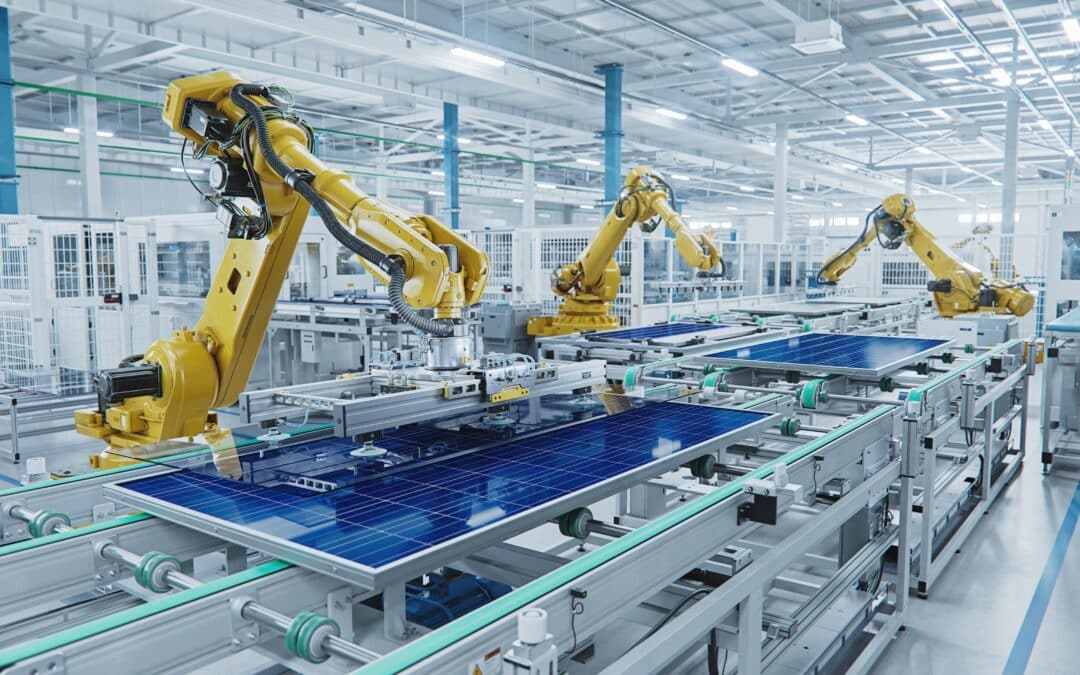
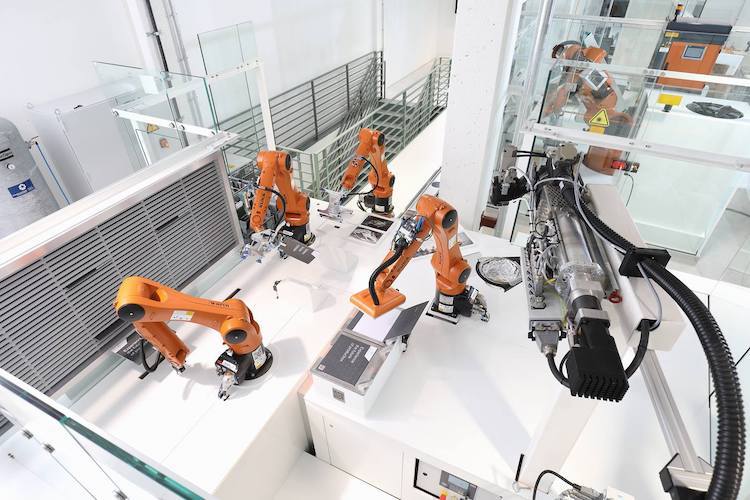
Robotic arms and automated guided vehicles (AGVs) are widely used in assembly lines, material handling, and packaging. These machines can perform repetitive tasks much faster than humans and with greater precision. The result is a significant reduction in cycle times and increased overall capacity.
Programmable Logic Controllers (PLCs)
PLCs are the backbone of many automated systems. They control machinery, monitor inputs and outputs, and execute complex sequences with speed and reliability. By automating decision-making and process control, PLCs help maintain a steady production rhythm.
Smart Factory Solutions
The rise of the smart factory concept has introduced interconnected devices, IoT sensors, and cloud-based analytics. These tools allow for real-time data collection and process optimization, further boosting production velocity and adaptability.
How Automation Streamlines Manufacturing Workflows
Automated systems are designed to handle repetitive, time-consuming tasks, freeing up human workers for more complex or creative roles. This shift not only accelerates individual steps but also improves the overall flow of materials and information throughout the facility.
- Automated Material Handling: Conveyors, robotic sorters, and AGVs ensure that raw materials and finished goods move efficiently between workstations.
- Integrated Quality Control: Vision systems and sensors can inspect products at high speed, catching defects early and reducing the need for manual inspection.
- Predictive Maintenance: Automated monitoring of equipment health helps prevent unexpected breakdowns, keeping production lines running smoothly.
Benefits Beyond Speed: Quality, Safety, and Scalability
While the primary focus is often on faster output, automation brings additional advantages that support sustainable growth:
- Improved Product Quality: Automated systems deliver consistent results, reducing variability and ensuring high standards are met every time.
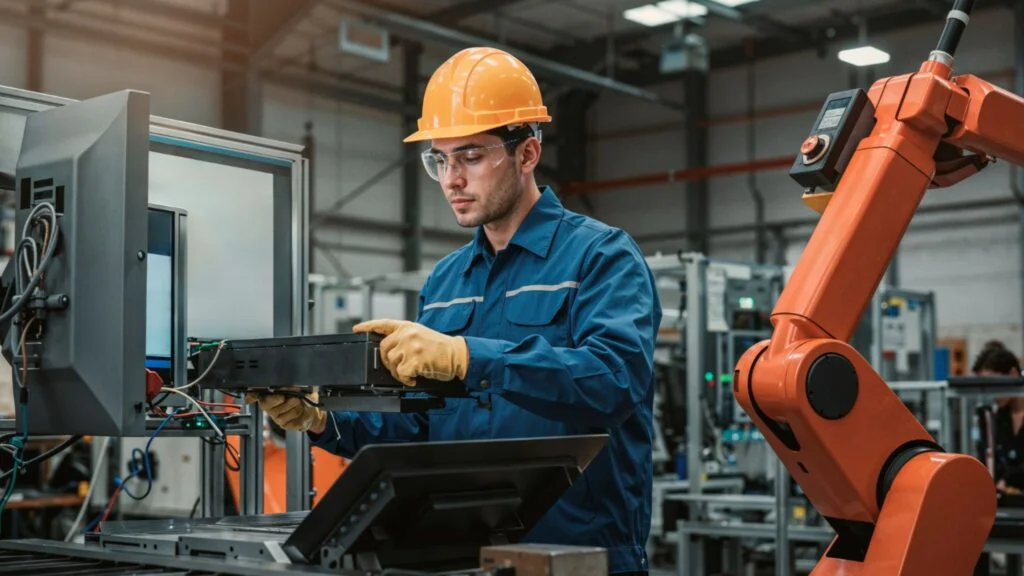
- Enhanced Workplace Safety: By taking over hazardous or physically demanding tasks, automation minimizes the risk of workplace injuries.
- Scalability: Automated solutions can be scaled up or down to match demand, allowing businesses to respond quickly to market changes.
Challenges and Considerations When Implementing Automation
Despite the clear benefits, transitioning to automated processes requires careful planning. Key considerations include:
- Initial Investment: The upfront cost of equipment and integration can be significant, but the long-term gains in productivity often justify the expense.
- Workforce Training: Employees need to be trained to operate, maintain, and troubleshoot new systems, which can involve a learning curve.
- System Integration: Ensuring that new automated solutions work seamlessly with existing infrastructure is crucial for maximizing efficiency.
- Ongoing Maintenance: Regular servicing and updates are essential to keep automated systems running at peak performance.
Real-World Examples of Accelerated Production
Many industries have already realized substantial gains by embracing automation. For instance, automotive manufacturers use robotic welding and painting systems to produce vehicles at unprecedented speeds. In the electronics sector, automated assembly lines enable rapid production of complex devices with minimal defects.
Even in smaller-scale operations, such as food processing or packaging, automation allows for faster changeovers and greater flexibility. These improvements not only reduce lead times but also help companies meet tight delivery schedules and customer expectations.
Integrating Automation with Visual Production Techniques
As automation accelerates workflows, capturing the dynamic nature of these environments becomes an interesting challenge for visual storytellers. Those interested in photography can learn more about techniques such as motion blur cinematic photography to creatively document the speed and precision of automated production lines.
Frequently Asked Questions
What industries benefit most from increased production speed through automation?
Sectors such as automotive, electronics, pharmaceuticals, food and beverage, and logistics have seen significant improvements in output and efficiency by adopting automated technologies. However, virtually any industry with repetitive or high-volume tasks can benefit from these advancements.
How does automation impact workforce requirements?
While automation can reduce the need for manual labor in certain roles, it also creates new opportunities for skilled workers in programming, maintenance, and system management. Companies often invest in retraining employees to adapt to these evolving roles.
Is automation suitable for small and medium-sized businesses?
Yes, automation is increasingly accessible to smaller businesses thanks to modular solutions and lower entry costs. These organizations can start with targeted automation in specific processes and scale up as needed, achieving faster production without large-scale investments.