
Motion blur is a creative technique that transforms ordinary scenes into dynamic, expressive images. By intentionally allowing movement to register on the camera sensor, photographers can convey energy, speed, and emotion in their work. Whether you’re capturing the rush of city life, the elegance of a dancer, or the flow of water, mastering this effect opens up a world of artistic possibilities. This guide explores a variety of motion blur examples in photography to spark your creativity and help you understand how to use this approach effectively.
If you’re interested in exploring composition techniques that complement these effects, check out our motion blur composition examples for more inspiration.
Understanding the Art of Blurred Motion
At its core, motion blur is about capturing the movement of a subject or the camera itself during exposure. This effect is typically achieved by using slower shutter speeds, allowing moving elements to streak or smear across the frame. The result can be abstract, dramatic, or even surreal, depending on how the technique is applied.
Photographers often use this approach to add a sense of life and activity to their images. It’s a powerful way to guide the viewer’s eye, emphasize direction, or create mood. From sports and street scenes to landscapes and creative portraits, the possibilities are vast.
Dynamic Urban Scenes: Capturing City Life in Motion
Urban environments are full of movement—cars racing by, people walking, lights flashing. Using motion blur techniques in city settings can highlight the energy and constant activity that define metropolitan life. By slowing the shutter speed, you can turn busy intersections into rivers of light or transform crowds into ghostly figures.
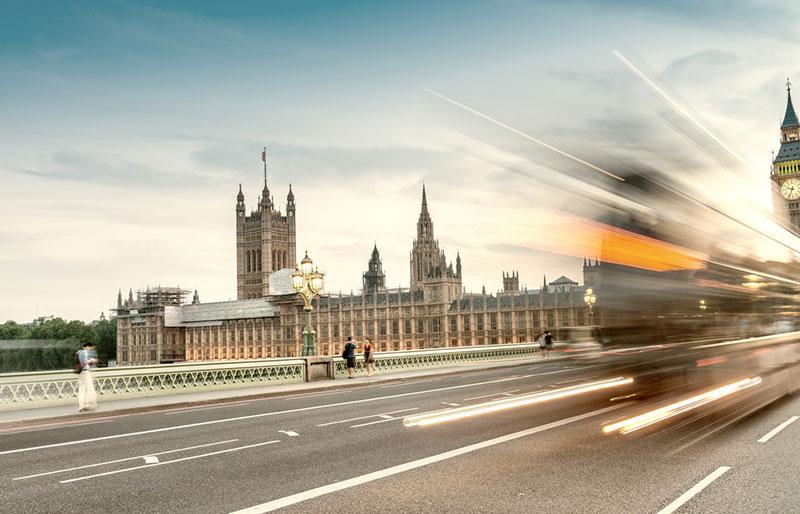
For example, photographing traffic at night with a long exposure can create vibrant trails of headlights and taillights, turning a simple road into a canvas of color and motion. Similarly, capturing commuters in a subway station with a slow shutter can evoke the rush and transience of daily life.
Nature and Landscape: Expressing Movement in the Outdoors
The natural world is full of motion—waterfalls, wind-blown grass, birds in flight. Using motion blur in landscape photography allows you to convey the passage of time and the dynamic qualities of nature. A classic example is smoothing out the surface of a river or waterfall to create a silky, ethereal effect.
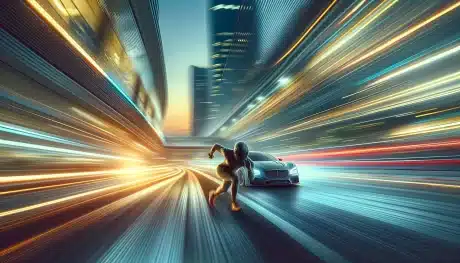
Another approach is to pan the camera while following a moving subject, such as a running animal or a cyclist. This keeps the subject relatively sharp while blurring the background, emphasizing speed and direction. Experimenting with different shutter speeds and camera movements can yield a wide range of creative results.
Creative Portraits: Adding Energy and Emotion
Portraiture doesn’t always have to be about sharpness and clarity. Introducing motion blur to portrait photography can add a sense of movement, emotion, or mystery. For instance, asking your subject to move slightly during a longer exposure can create ghostly, dreamlike images that stand out from traditional portraits.
This technique is especially effective in dance or performance photography, where the movement itself is the subject. By capturing the flow of a dancer’s dress or the arc of an arm, you can tell a more dynamic and expressive story.
Abstract and Experimental Uses of Blurred Motion
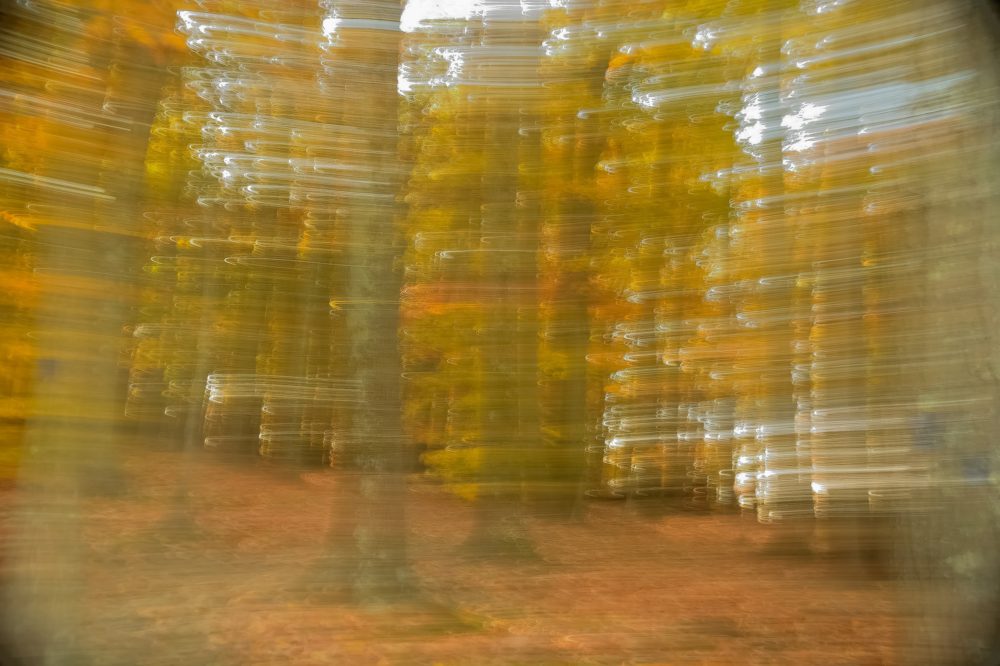
Not all motion blur examples in photography are about representing reality. Many artists use this effect to create abstract or experimental images that challenge the viewer’s perception. Intentional camera movement (ICM), where the photographer moves the camera during exposure, can result in painterly, impressionistic photos.
This approach is ideal for exploring color, shape, and rhythm in a non-literal way. Blurring lights at night, swinging the camera through a forest, or spinning it during exposure can all produce unique and visually striking results.
Techniques and Tips for Achieving Beautiful Motion Blur
To successfully create compelling images with blurred motion, it’s important to understand the technical aspects:
- Shutter Speed: The slower the shutter, the more pronounced the blur. Start with 1/30s for subtle effects and experiment with longer exposures for more dramatic results.
- Tripod Use: For stationary backgrounds with moving subjects, a tripod helps keep the rest of the scene sharp.
- ND Filters: Neutral density filters allow for longer exposures even in bright conditions, making it easier to capture blur during the day.
- Panning: Moving the camera to follow a subject can keep them sharp while blurring the background, emphasizing speed and direction.
- Manual Focus: Autofocus can struggle in low light or with moving subjects, so manual focus is often more reliable.
For those just starting out, our motion blur settings for beginners guide covers the basics of camera setup and exposure.
Comparing Before and After: The Impact of Blurred Motion
Seeing the difference between a standard photo and one that incorporates movement can be eye-opening. The addition of blur often transforms a static scene into something vibrant and full of life. Reviewing motion blur before and after examples can help you understand how subtle changes in technique affect the final image.
Experimenting with different subjects, settings, and movements is key to developing your own style and discovering what works best for your creative vision.
Further Learning and Resources
If you want to dive deeper into the technical and creative aspects of this technique, consider reading this comprehensive guide to capturing motion blur in photography. It covers practical tips, gear recommendations, and advanced methods for refining your skills.
For those interested in cinematic approaches, our motion blur cinematic photography guide explores how these effects are used in film and storytelling.
FAQ
What camera settings work best for creating motion blur?
The key setting is shutter speed. Slower shutter speeds, such as 1/30s or longer, allow movement to register as blur. Use a tripod for stability, and consider using ND filters for longer exposures in bright light. Adjust ISO and aperture to maintain proper exposure.
Can motion blur be used in daylight photography?
Yes, but you may need to use neutral density (ND) filters to reduce the amount of light entering the lens. This lets you use slower shutter speeds without overexposing your image, making it possible to capture blurred motion even in bright conditions.
How do I keep my subject sharp while blurring the background?
This effect is achieved through panning. Move the camera in sync with your subject’s movement while using a slower shutter speed. The subject will remain relatively sharp, while the background becomes streaked, emphasizing motion and speed.