
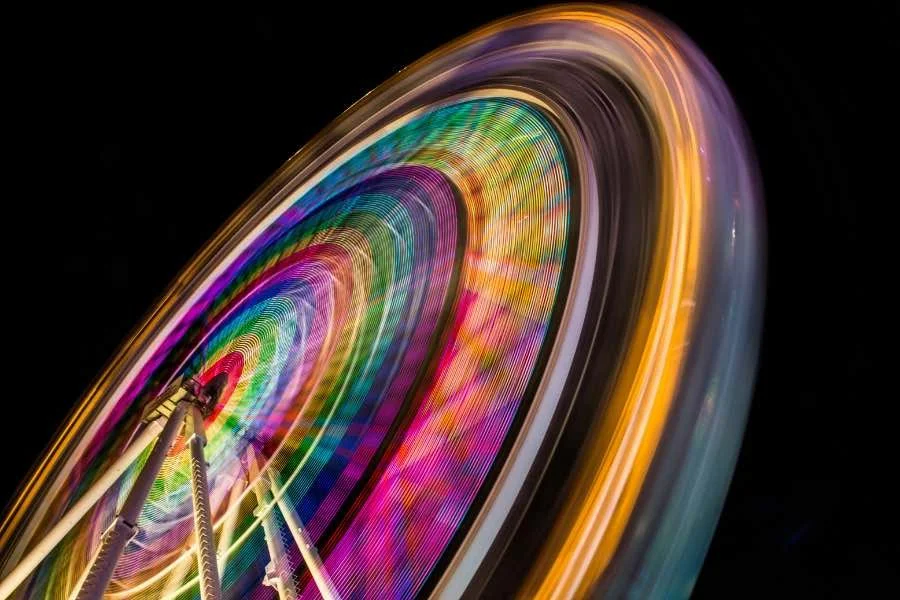
In the world of filmmaking, motion blur is a concept that shapes how movement is perceived on screen. Whether you’re a film student, a content creator, or simply a movie enthusiast, understanding what motion blur is and how it’s used can help you appreciate the craft behind dynamic visuals. This article breaks down the motion blur meaning in film, explores its technical roots, and explains why it matters for both storytelling and audience experience.
Before diving into the details, it’s worth noting that motion blur isn’t just a technical artifact—it’s a creative tool. Directors and cinematographers use it to convey speed, realism, or even emotion. If you’re interested in how visual technologies shape modern industries, you might also enjoy reading about the importance of industrial vision inspection in manufacturing.
Understanding Motion Blur in Cinematic Contexts
At its core, motion blur refers to the streaking or smearing of moving objects in a sequence of images or frames. In film, this effect occurs when the subject moves quickly relative to the camera, or when the camera itself moves rapidly during exposure. The result is a visual trail that follows the direction of movement, creating a sense of speed and fluidity.
This phenomenon is not exclusive to film; it’s also present in photography and digital imaging. However, in cinema, it plays a unique role in shaping the viewer’s perception of motion and realism. The amount and quality of blur are influenced by several factors, including shutter speed, frame rate, and the speed of the subject or camera.
How Motion Blur Is Created in Film Production
To grasp the motion blur meaning in film from a technical perspective, it helps to look at how cameras capture images. Traditional film cameras expose each frame for a brief period—typically 1/48th of a second for movies shot at 24 frames per second (fps). If an object moves during this exposure, its position shifts across the frame, causing a blur.
The main variables that control this effect are:
- Shutter speed: A slower shutter speed increases blur, while a faster one reduces it.
- Frame rate: Higher frame rates (like 60fps) can make motion appear smoother and reduce the amount of blur per frame.
- Movement: The speed and direction of the subject or camera directly affect the intensity and direction of the blur.
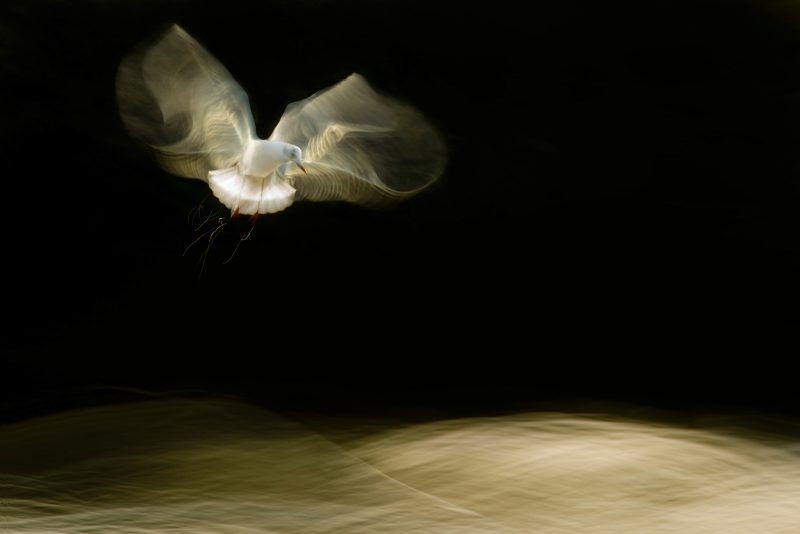
Creative Uses of Motion Blur in Visual Storytelling
Filmmakers use motion blur intentionally to achieve various artistic goals. Here are some common ways it enhances storytelling:
- Conveying speed and action: Fast-moving scenes, such as car chases or fight sequences, often use pronounced blur to intensify the sense of velocity and chaos.
- Simulating realism: Our eyes naturally perceive blur when tracking fast objects. Including it in film makes movement appear more lifelike and less artificial.
- Directing focus: By blurring background or peripheral elements, filmmakers can guide the viewer’s attention to the main subject.
- Expressing emotion or disorientation: Unusual or excessive blur can evoke confusion, panic, or dreamlike states, supporting the narrative’s mood.
For a deeper dive into the photographic side of this effect, explore this guide to motion blur in photography for technical tips and creative inspiration.
Technical Factors Affecting Motion Blur in Movies
The amount of blur in a film is not just a matter of artistic choice; it’s also dictated by the technical setup. Here are the key elements that influence how blur appears on screen:
- Shutter angle: In film cameras, the shutter angle determines how long each frame is exposed. A wider angle (like 180 degrees) results in more blur, while a narrower angle (like 45 degrees) produces crisper images.
- Lighting conditions: Low-light scenes may require slower shutter speeds, increasing the likelihood of blur.
- Camera movement: Techniques like handheld shooting or rapid pans can introduce additional blur, which may be used for stylistic effect.
- Digital post-processing: In modern filmmaking, editors can add or reduce blur in post-production to match the desired look.
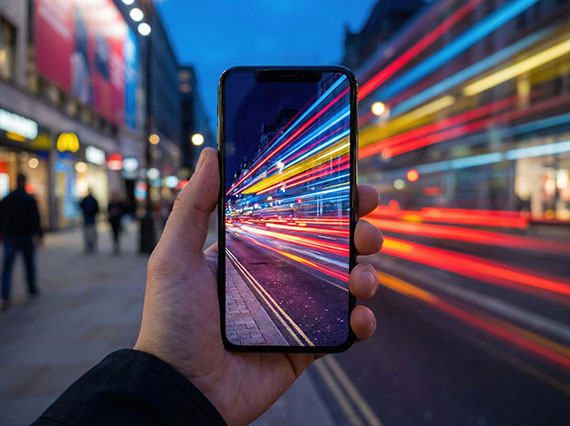
Motion Blur Versus Sharpness: Finding the Right Balance
One of the ongoing debates in cinematography is how much blur is appropriate. Too much can make a scene hard to follow, while too little can make action sequences look unnatural or “stuttery.” The balance depends on the story, genre, and the director’s vision.
For example, action films often embrace more blur to convey energy, while documentaries or slow-paced dramas might favor clarity. Advances in camera technology and editing software have given filmmakers more control than ever, allowing them to fine-tune the effect for each project.
Applications Beyond Traditional Film
While the motion blur meaning in film is rooted in analog cinema, the concept is just as relevant in digital video, animation, and even industrial imaging. In computer-generated imagery (CGI), animators simulate blur to match live-action footage and create a seamless viewing experience.
In manufacturing and robotics, understanding how blur affects machine vision systems is crucial for quality control and automation. If you’re curious about how technology is transforming production environments, you may want to read about the overview of CNC automation in factories.
Frequently Asked Questions
What causes motion blur in movies?
Motion blur in movies is caused by the movement of objects or the camera during the exposure of each frame. The effect is influenced by shutter speed, frame rate, and the speed of movement. When the exposure time is long enough for the subject to move across the frame, a streak or blur appears in the final image.
Why do filmmakers use motion blur?
Filmmakers use this visual effect to convey speed, realism, and emotion. It helps make movement look more natural to the human eye and can be used creatively to direct attention or evoke certain moods. In action scenes, it adds intensity and excitement, while in dream sequences, it can create a surreal atmosphere.
Can motion blur be removed or adjusted in post-production?
Yes, with modern digital editing tools, editors can reduce, enhance, or even add artificial blur to footage. However, the most natural results are usually achieved during filming, by carefully controlling camera settings and movement.
Is motion blur always desirable in film?
Not always. While it can add realism and energy, excessive blur can make scenes difficult to follow or cause discomfort for viewers. The ideal amount depends on the story, genre, and intended audience experience.
How does motion blur differ in animation and CGI?
In animation and CGI, blur doesn’t occur naturally—it must be simulated. Artists use algorithms to mimic the effect, ensuring that animated sequences match the look and feel of live-action footage.