
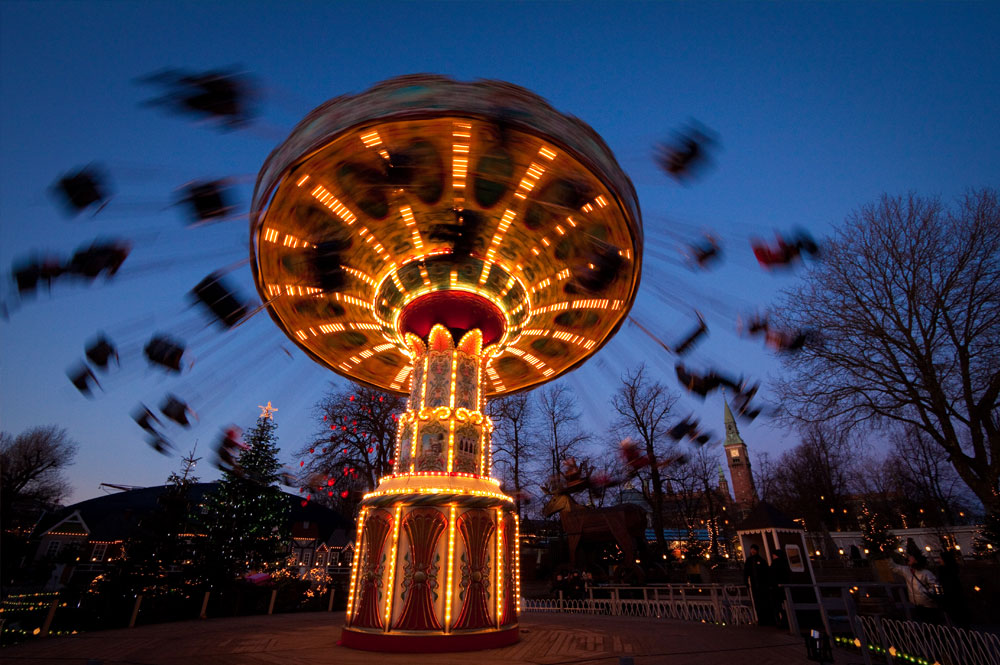
Exploring motion blur challenge ideas is a practical way to develop your photography skills and creativity. By intentionally capturing movement, photographers can transform ordinary scenes into dynamic, expressive images. These challenges not only help you master technical camera settings but also encourage you to see the world in new ways. Whether you’re a beginner or looking to push your creative boundaries, experimenting with motion blur can lead to striking and memorable photographs.
If you’re interested in expanding your approach, you might also find inspiration in guides like motion blur storytelling techniques, which explore narrative and conceptual uses of blur in photography.
Why Motion Blur Exercises Matter for Photographers
Practicing with motion blur challenge ideas helps photographers understand the relationship between shutter speed, movement, and light. These exercises force you to think beyond static compositions and consider how time and motion can be used as creative tools. As you work through different scenarios, you’ll gain hands-on experience with camera settings, improve your timing, and develop an eye for dynamic compositions.
Motion blur can be used to convey energy, emotion, or atmosphere. For example, capturing the rush of city life, the flow of water, or the movement of dancers can all benefit from these techniques. The process of experimenting with blur also teaches patience and adaptability, as conditions and results can vary widely.
Essential Gear and Settings for Motion Blur Challenges
Before diving into specific assignments, it’s helpful to understand the basic tools and settings you’ll need. While any camera with manual controls can be used, a tripod is often essential for keeping stationary elements sharp while allowing moving subjects to blur. Neutral density (ND) filters can also help by reducing the amount of light entering the lens, enabling longer exposures even in bright conditions.
- Shutter Speed: Slower shutter speeds (such as 1/15s, 1/4s, or even several seconds) allow for more pronounced blur. Experiment with different speeds to see how they affect the final image.
- Aperture: Adjust your aperture to control exposure and depth of field. A smaller aperture (higher f-number) can help maintain sharpness in non-moving areas.
- ISO: Keep ISO as low as possible to reduce noise, especially during long exposures.
- Stabilization: Use a tripod or stable surface to prevent unintended camera shake.
Creative Motion Blur Challenge Ideas to Try
To help you get started, here are several practical assignments designed to improve your skills. Each one focuses on a different aspect of capturing movement and will push you to experiment with technique and composition.
1. Urban Motion: Capturing City Life in Motion
Head to a busy street or intersection and use a slow shutter speed to capture the flow of people, cars, or bicycles. Try to keep the background sharp by stabilizing your camera, allowing only the moving subjects to blur. This approach can create a sense of energy and hustle, emphasizing the pace of urban environments.
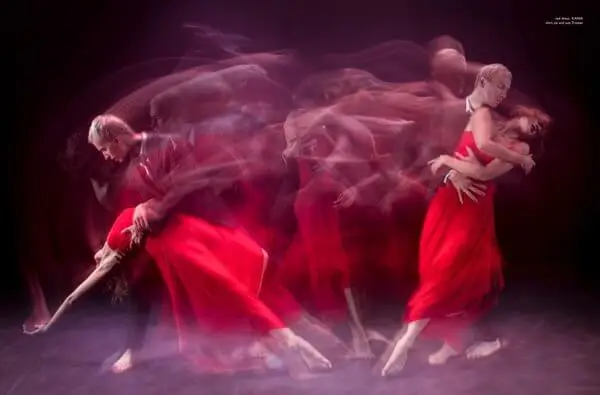
For more inspiration on city-based techniques, you can explore motion blur urban photography for additional tips and creative approaches.
2. Panning Techniques: Following the Action
Panning involves moving your camera along with a moving subject during a longer exposure. The result is a sharp subject against a streaked, blurred background, emphasizing speed and direction. This is a great exercise for photographing runners, cyclists, or vehicles. Start with a shutter speed around 1/30s and adjust as needed. Practice smooth, steady motion to keep your subject as sharp as possible.
3. Water in Motion: Streams, Waterfalls, and Waves
Water is a classic subject for motion blur. Use a tripod and slow shutter speed to capture the silky flow of streams, waterfalls, or ocean waves. Experiment with different exposure times to see how the texture of the water changes. Longer exposures will create a softer, dreamlike effect, while slightly faster speeds can retain more detail and energy.
4. Light Trails and Night Photography
At night, try photographing moving lights—such as cars, bikes, or even handheld light sources. Set your camera on a tripod and use exposures ranging from a few seconds to several minutes. Light trails can add drama and color to your images, turning ordinary scenes into vibrant compositions. This exercise is also a good opportunity to experiment with manual focus and remote shutter releases to avoid camera shake.
5. Abstract and Experimental Blur Assignments
Go beyond traditional subjects by intentionally moving your camera during exposure (a technique known as intentional camera movement, or ICM). Try vertical or horizontal sweeps, rotations, or even zooming during the shot. These experiments can produce abstract images that emphasize color, shape, and rhythm over literal representation.
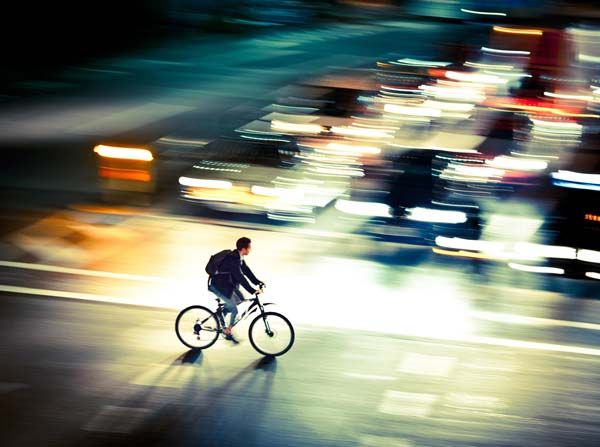
For more unconventional approaches, you might enjoy reading about motion blur experimental photography, which dives into creative and avant-garde uses of blur.
Tips for Success with Motion Blur Assignments
- Plan Your Shots: Scout locations and consider the direction and speed of movement. Anticipate where the action will occur.
- Use Manual Mode: Take control of your camera settings to fine-tune exposure and blur effects.
- Review and Adjust: Check your images on the camera screen and make adjustments as needed. Small changes in shutter speed can have a big impact.
- Embrace Imperfection: Not every shot will be perfect. Sometimes unexpected results can lead to new creative directions.
- Experiment with Lighting: Try shooting at different times of day or in various lighting conditions. Artificial lights, sunsets, and reflections can all enhance your images.
Further Learning and Inspiration
If you’re looking to expand your understanding of motion blur, consider exploring resources like this comprehensive motion blur photography tutorial. You’ll find in-depth explanations, visual examples, and advanced tips for refining your technique.
You can also explore related topics such as motion blur creative lighting or minimalism approaches with motion blur minimalism photography to further diversify your portfolio and skill set.
Frequently Asked Questions
What is the best shutter speed for creating motion blur?
The ideal shutter speed depends on the speed of your subject and the effect you want to achieve. For subtle blur, try 1/30s to 1/15s. For more pronounced effects, use slower speeds like 1/4s or several seconds. Experiment with different settings to see what works best for your scene.
Do I need a tripod for motion blur photography?
While not always required, a tripod is highly recommended when you want to keep stationary elements sharp while blurring moving subjects. It also helps prevent unintended camera shake during longer exposures.
How can I avoid overexposure when using slow shutter speeds?
To prevent overexposure, use a smaller aperture (higher f-number), lower ISO, or add a neutral density (ND) filter to reduce the amount of light entering the lens. Shooting during low-light conditions, such as early morning or evening, can also help.
Can I use motion blur techniques with smartphone cameras?
Many modern smartphones offer manual controls or dedicated modes for long exposures. While results may vary compared to dedicated cameras, you can still experiment with motion blur using apps or built-in features. A tripod or stable surface is helpful for best results.