

In today’s fast-paced industrial landscape, companies are under constant pressure to improve efficiency, reduce waste, and deliver higher quality products. Lean manufacturing automation has emerged as a powerful approach that combines the principles of lean production with advanced automation technologies. This synergy enables organizations to streamline operations, eliminate inefficiencies, and stay competitive in a rapidly evolving market.
Understanding how lean principles and automation work together is essential for manufacturers aiming to optimize their processes. In this article, we’ll explore the fundamentals of this approach, its core benefits, and practical steps for implementation. For those interested in creative industrial techniques, you may also want to check out motion blur composition examples for inspiration in visualizing dynamic processes.
Understanding the Principles Behind Lean Manufacturing Automation
At its core, lean manufacturing automation is about merging the philosophy of lean—focused on minimizing waste and maximizing value—with the capabilities of automated systems. Lean principles originated from the Toyota Production System and emphasize continuous improvement, respect for people, and the elimination of non-value-adding activities.
When automation is integrated into a lean environment, it supports these goals by handling repetitive, hazardous, or error-prone tasks. This allows human workers to focus on higher-value activities such as problem-solving and innovation. The result is a production system that is not only more efficient but also more adaptable to changing customer needs.
Key Components of an Automated Lean Production System
Implementing lean automation involves several interconnected elements. Here are some of the most important components:
- Automated Material Handling: Robotics and conveyor systems move materials efficiently, reducing manual labor and the risk of errors.
- Real-Time Data Collection: Sensors and IoT devices gather information on equipment performance, product quality, and process bottlenecks.
- Process Standardization: Automation enforces consistent workflows, ensuring that every product is made to the same high standard.
- Continuous Improvement Tools: Advanced analytics and machine learning help identify new opportunities for waste reduction and process optimization.
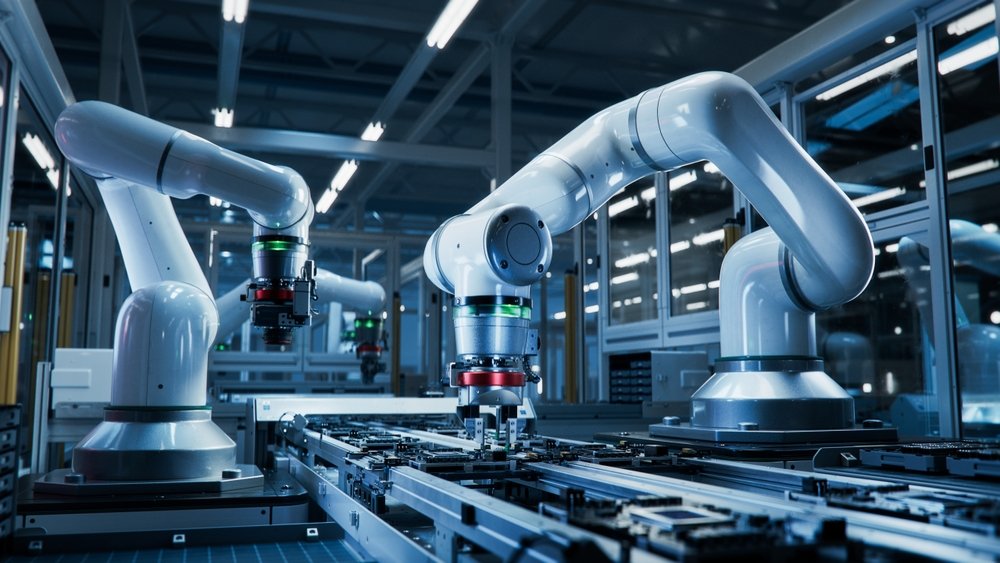
How Automation Drives Lean Manufacturing Success
The integration of automation into lean production systems brings a range of tangible benefits. By automating repetitive and time-consuming tasks, manufacturers can significantly reduce cycle times and improve throughput. Automated systems also enhance accuracy, which leads to fewer defects and less rework.
In addition, real-time monitoring and data analytics empower teams to identify inefficiencies quickly and implement corrective actions. This supports a culture of continuous improvement, which is central to lean thinking. As a result, companies can respond more rapidly to market changes and customer demands.
Reducing Waste Through Smart Automation
Waste reduction is a cornerstone of lean methodology. Automation helps eliminate several types of waste, including:
- Overproduction: Automated systems produce only what is needed, when it is needed.
- Waiting: Real-time data flow minimizes downtime between process steps.
- Defects: Automated inspection and quality control catch errors early, reducing scrap and rework.
- Motion: Robotics and conveyors reduce unnecessary movement of materials and people.
Implementing Lean Automation in Your Facility
Transitioning to an automated lean system requires careful planning and a clear understanding of your current processes. Here are some practical steps to get started:
- Map Current Processes: Use value stream mapping to identify waste and areas for improvement.
- Set Clear Objectives: Define what you want to achieve—such as reduced lead times, lower costs, or improved quality.
- Start Small: Pilot automation in a single area before scaling up across the facility.
- Engage Employees: Involve team members in identifying problems and designing solutions.
- Leverage Data: Use real-time analytics to monitor progress and guide continuous improvement.
For a deeper dive into how smart factories are transforming manufacturing, explore this comprehensive overview of smart factory concepts.

Challenges and Considerations in Lean Automation
While the benefits are significant, adopting automated lean systems is not without challenges. Upfront investment in technology and training can be substantial. Organizations must also address potential resistance to change among staff and ensure that automation aligns with lean principles rather than simply adding complexity.
It’s important to maintain a balance between human expertise and machine efficiency. Automation should support, not replace, the problem-solving and creative abilities of your workforce. Ongoing training and open communication are key to a successful transition.
Future Trends in Lean Manufacturing and Automation
As technology continues to advance, the integration of artificial intelligence, machine learning, and advanced robotics will further enhance lean production systems. Predictive maintenance, autonomous material handling, and adaptive manufacturing lines are becoming more common, enabling manufacturers to respond dynamically to changes in demand and supply chain disruptions.
The convergence of digital tools and lean methodologies will shape the next generation of manufacturing, making processes smarter, more flexible, and increasingly customer-centric.
Frequently Asked Questions
How does lean automation differ from traditional automation?
Traditional automation focuses primarily on increasing production speed and reducing labor costs. Lean automation, on the other hand, is guided by lean principles—its goal is to eliminate waste, improve quality, and create more value for customers. This approach uses automation strategically to support continuous improvement rather than simply replacing human labor.
What industries benefit most from automated lean practices?
While manufacturing is the most common sector, industries such as logistics, healthcare, and even service-based businesses can benefit from combining lean principles with automation. Any organization seeking to reduce waste, improve efficiency, and enhance quality can apply these concepts.
What are the first steps to implementing lean automation?
Begin by mapping your current processes to identify areas of waste and inefficiency. Set clear objectives for what you want to achieve, and start with a pilot project in a manageable area. Engage your team, provide necessary training, and use real-time data to guide improvements. Gradually scale up as you gain experience and see positive results.