
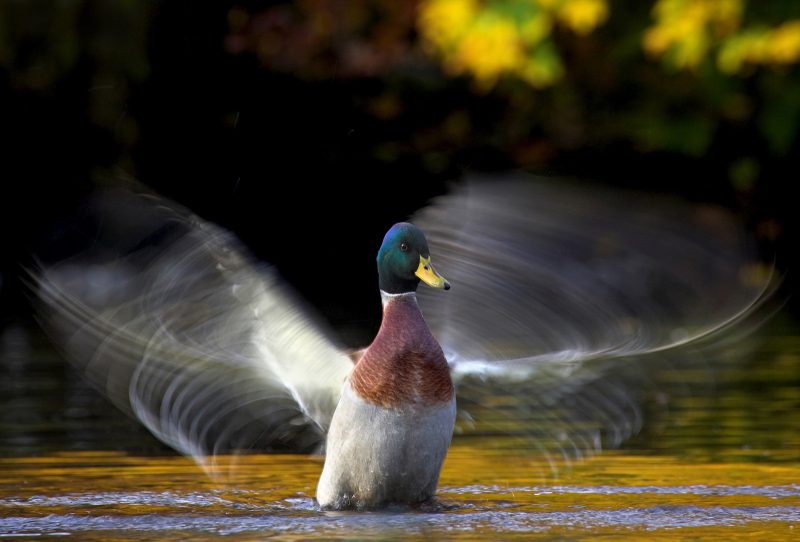
Capturing motion blur without tripod is a rewarding challenge for photographers who want to convey movement and energy in their images, even when a tripod isn’t available. Whether you’re shooting in the city, at a sporting event, or in nature, mastering handheld techniques allows you to create dynamic photos that stand out. This guide covers practical methods, camera settings, and creative approaches to achieve stunning motion blur effects while shooting handheld.
If you’re interested in exploring creative composition ideas, check out these motion blur composition examples for inspiration.
Understanding the Art of Handheld Motion Blur
Creating motion blur handheld is about balancing camera movement, subject speed, and exposure settings. Unlike using a tripod, where stability is guaranteed, shooting without one requires a steady hand and an understanding of how to use your camera’s features to your advantage. The goal is to intentionally blur moving subjects or backgrounds while keeping key elements sharp, resulting in images that feel alive and expressive.
Essential Camera Settings for Blurred Motion Without a Tripod
To achieve motion blur without tripod support, start by adjusting your camera’s settings for optimal results:
- Shutter Speed: Use slower shutter speeds (typically between 1/10 and 1/60 second) to capture movement. The exact speed depends on how fast your subject is moving and how steady you can hold the camera.
- ISO: Increase ISO to compensate for reduced light when using slower shutter speeds, but be mindful of noise.
- Aperture: A wider aperture (lower f-number) lets in more light, making it easier to use slower shutter speeds without underexposing your shot.
- Image Stabilization: Enable in-camera or lens-based stabilization if available. This feature helps counteract minor hand movements.
- Continuous Shooting: Use burst mode to increase your chances of capturing a sharp frame amid the blur.
Handheld Techniques for Creative Motion Blur
Without the stability of a tripod, your technique becomes even more important. Here are some proven methods to help you create compelling blurred motion effects while holding your camera:
1. Panning for Dynamic Subjects
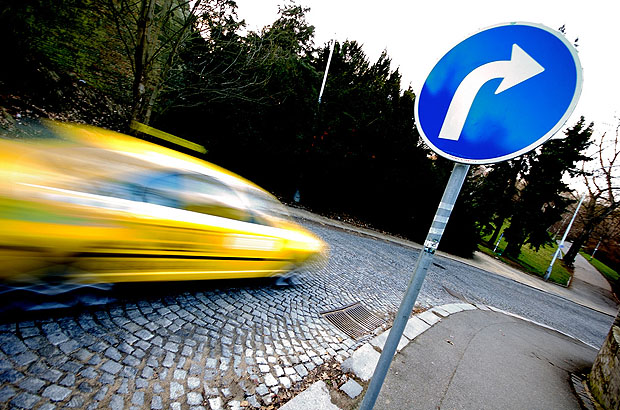
Panning involves moving your camera horizontally to follow a moving subject, such as a cyclist or car. By matching the speed of your subject and using a slow shutter speed, you can keep the subject relatively sharp while blurring the background, emphasizing speed and direction.
- Stand with your feet shoulder-width apart for stability.
- Twist your torso smoothly as you follow the subject.
- Press the shutter as you track, continuing the motion after the shot.
2. Intentional Camera Movement (ICM)
With ICM, you deliberately move the camera during exposure to create abstract, artistic effects. Try moving the camera up and down, side to side, or in circular motions while using a slow shutter speed. This technique works well with lights, trees, or crowds to produce painterly images.
3. Bracing and Breathing Techniques
To minimize unwanted shake, use your body as a stabilizer:
- Hold your elbows close to your body.
- Lean against a wall or sturdy object if possible.
- Take a deep breath, exhale halfway, and gently press the shutter to reduce movement.
Lighting and Environmental Considerations
Lighting plays a crucial role in handheld motion blur photography. Shooting during golden hour or in shaded areas provides softer light, reducing harsh contrasts and making it easier to use slower shutter speeds. In low light, streetlights or neon signs can add colorful trails and interesting effects.
If you’re new to this style, the motion blur settings for beginners guide offers more detailed advice on exposure and camera setup.

Common Challenges and How to Overcome Them
Shooting motion blur handheld comes with its own set of obstacles. Here are a few common issues and solutions:
- Unwanted Camera Shake: If your entire image is blurry, try increasing your shutter speed slightly or use image stabilization. Practice your bracing and breathing techniques to improve steadiness.
- Overexposure: Shooting in bright conditions with slow shutter speeds can result in overexposed images. Use a neutral density (ND) filter to reduce the amount of light entering the lens.
- Focus Issues: Use continuous autofocus (AF-C) to track moving subjects, or pre-focus on a spot where you expect the action to happen.
Creative Ideas for Handheld Motion Blur Photography
There are countless ways to experiment with blurred motion effects. Here are a few ideas to inspire your next handheld shoot:
- City Streets: Capture the energy of urban life by photographing moving cars, cyclists, or pedestrians at night, using streetlights as creative light sources.
- Nature Scenes: Blur flowing water, wind-blown grass, or flocks of birds to add a sense of movement to your landscapes.
- Events and Performances: Use slow shutter speeds to emphasize the motion of dancers, musicians, or athletes.
For more inspiration and advanced tips, explore this motion blur cinematic photography guide and see how professionals use these techniques in creative projects.
Further Resources and Learning
If you’re looking to deepen your understanding, the comprehensive overview of motion blur techniques provides additional insights and examples from experienced photographers.
You can also review motion blur before and after examples to see how small adjustments in technique can dramatically change your results.
FAQ: Handheld Motion Blur Photography
What is the best shutter speed for handheld motion blur?
The ideal shutter speed depends on your subject’s speed and your ability to hold the camera steady. Generally, speeds between 1/10 and 1/60 second work well for most handheld motion blur shots. For faster subjects, you may need to use a slightly faster shutter, while slower speeds can be used for more abstract effects.
How can I avoid unwanted blur when shooting handheld?
To minimize unwanted blur, use image stabilization, brace your body, and practice smooth panning or intentional camera movement. Increasing ISO or opening your aperture can help you use a slightly faster shutter speed while still capturing motion.
Do I need special equipment for handheld motion blur photography?
No special equipment is required, but a camera or lens with image stabilization can be helpful. A neutral density filter is useful for shooting in bright light with slow shutter speeds. Most importantly, practice and experimentation will improve your results over time.