
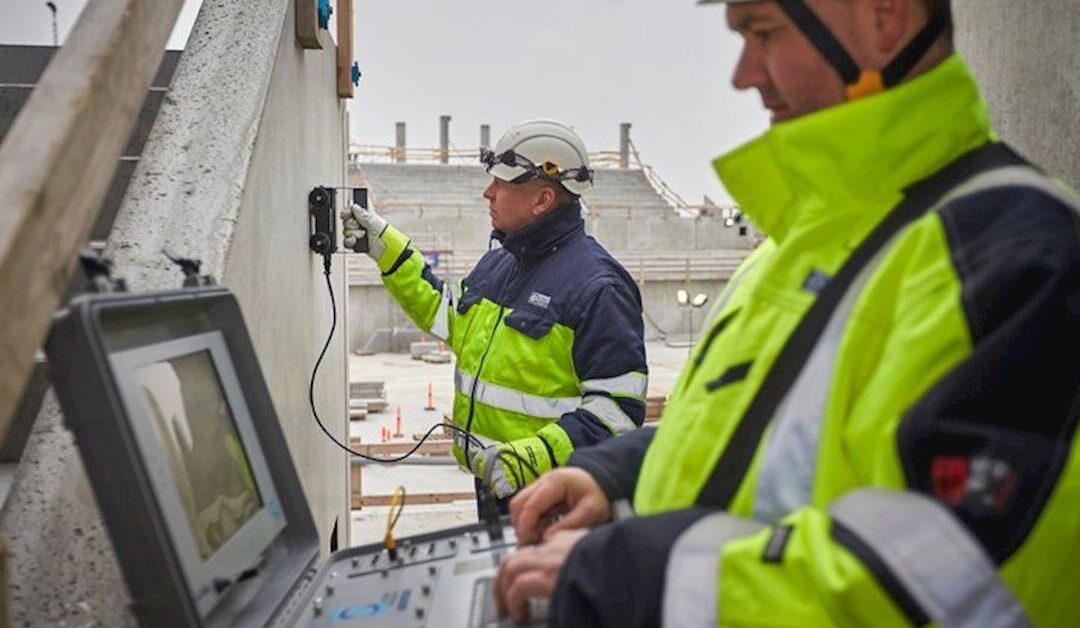
For those venturing into the world of quality assurance, understanding the frequency of inspections is critical. In this beginners guide to frequency in inspections, we aim to demystify how often inspections should occur, why they matter, and how they can be optimized for efficiency and accuracy. Whether you’re a seasoned professional or just starting out, mastering the art of inspection frequency is crucial for maintaining high standards and ensuring product quality.

Why Frequency in Inspections Matters
The frequency in inspections is more than just a routine task; it’s a vital part of the quality assurance process. Regular inspections help in identifying defects early, ensuring compliance with industry standards, and minimizing risks of product failures. The right frequency can significantly impact the reliability and longevity of products, making it a cornerstone of effective quality management.
Determining the Right Frequency
Determining how often to conduct inspections depends on several factors including the type of product, its usage, and industry regulations. For instance, industries dealing with high-risk products might require more frequent inspections compared to those with less critical products. For more detailed guidance, you can refer to this comprehensive guide on setting inspection schedules.
Consider Product Lifecycle
Understanding the product lifecycle is essential in setting inspection frequencies. During the initial stages of production, more frequent inspections may be necessary to ensure any defects are identified and rectified early. As products become more stable, the frequency may be adjusted accordingly.
Regulatory Requirements
Adhering to industry regulations is non-negotiable. Different sectors have varied requirements regarding inspection frequencies. Ensuring compliance not only avoids legal issues but also maintains a high standard of quality. More information on this can be found in articles discussing frequency analysis.
Types of Inspections
Understanding the different types of inspections can help in deciding the right frequency. Common types include:
- Visual Inspections: Often the first line of defense, these check for surface defects.
- Functional Inspections: Ensure the product performs as intended.
- Safety Inspections: Critical for products with potential safety hazards.
Visual Inspections
These are crucial for identifying surface-level defects that could affect product aesthetics and functionality. Depending on the product, visual inspections might be required more frequently.
Functional Inspections
These ensure that the product performs its intended function. The frequency of functional inspections may vary based on the complexity and usage of the product.
Technological Innovations in Inspection Frequency
With advancements in technology, the frequency and efficiency of inspections have improved significantly. Innovations such as synchronization technologies have enhanced the accuracy and speed of inspections, making it easier to adhere to optimal frequencies.
Automation and AI
The integration of automation and AI into inspection processes has revolutionized how inspections are conducted. These technologies allow for real-time data analysis, leading to more informed decisions about inspection frequencies.
Remote Inspections
Remote inspections have become increasingly popular, allowing for more frequent inspections without the need for physical presence. This approach is particularly useful for industries with decentralized operations.
Challenges and Solutions
While setting the right inspection frequency is important, there are challenges that come with it. These include balancing cost with quality, ensuring compliance, and adapting to new technologies. However, solutions such as using frequency analysis tools can help address these challenges effectively.
Cost vs. Quality
Balancing the cost of inspections with maintaining quality is a common challenge. It’s important to find a sweet spot where the frequency is neither too high to incur unnecessary costs nor too low to compromise quality.
Compliance and Adaptation
Staying compliant with regulatory standards while adapting to new technologies can be challenging. Regular training and staying updated with industry trends can help mitigate these challenges.
Case Studies
Looking at case studies can provide valuable insights into best practices for setting inspection frequencies. For instance, industries like aerospace and automotive have stringent inspection requirements due to the high stakes involved.
Aerospace Industry
In the aerospace industry, inspection frequencies are meticulously planned to ensure the highest safety standards. This includes regular checks and maintenance based on flight hours and usage.
Automotive Industry
The automotive industry also sets rigorous inspection schedules to ensure safety and performance. Frequent inspections are conducted to comply with safety regulations and consumer expectations.

FAQs
What is the importance of inspection frequency?
Inspection frequency is crucial for maintaining product quality, ensuring safety, and complying with industry standards. Regular inspections help identify defects early, reducing the risk of product failures.
How do I determine the right inspection frequency?
The right frequency depends on several factors including product type, usage, and industry regulations. It’s important to consider these factors and adjust frequencies accordingly.
What technologies can help with inspection frequency?
Technologies like automation, AI, and remote inspections can significantly enhance the efficiency and accuracy of inspections, making it easier to adhere to optimal frequencies.
This article contains affiliate links. We may earn a commission at no extra cost to you.