

Minimizing unplanned stoppages is a top priority for any confectionery producer. In the competitive world of sweets and treats, even brief interruptions can lead to lost revenue, wasted materials, and missed delivery deadlines. Understanding the most effective ways to reduce downtime in candy manufacturing is crucial for maintaining high productivity and consistent product quality.
This article explores proven strategies for keeping production lines running smoothly, from predictive maintenance and automation to staff training and process optimization. By implementing these approaches, manufacturers can reduce costly delays and maximize output, ensuring their operations remain both efficient and profitable.
One of the most impactful methods for minimizing disruptions is the use of predictive tools for egg shell integrity and similar technologies. These solutions help anticipate equipment issues before they cause breakdowns, allowing for timely interventions and smoother production schedules.
Understanding the Causes of Downtime in Candy Factories
Before implementing solutions, it’s important to identify the main sources of lost production time. In confectionery plants, downtime can be categorized as planned (such as scheduled maintenance or cleaning) or unplanned (unexpected equipment failures, supply shortages, or quality control issues). Unplanned stoppages are especially disruptive and costly.
Common causes include:
- Mechanical breakdowns of mixers, cookers, or packaging equipment
- Ingredient supply interruptions
- Operator errors or insufficient training
- Quality control failures requiring rework or disposal
- Software or automation system malfunctions
By tracking and analyzing these events, manufacturers can target the most frequent and severe issues first, leading to more effective improvements.
Implementing Predictive Maintenance for Reduced Interruptions
One of the most reliable ways to reduce downtime in candy manufacturing is through predictive maintenance. This approach uses sensors, data analytics, and machine learning to monitor equipment health and predict failures before they occur. By addressing issues proactively, manufacturers can schedule repairs during planned stops, avoiding unexpected breakdowns.
Predictive maintenance offers several advantages over traditional reactive or scheduled maintenance, including:
- Fewer emergency repairs
- Longer equipment lifespan
- Lower maintenance costs
- Improved safety and product quality
For a deeper understanding of this approach, see this comprehensive guide to predictive maintenance and how it applies to food processing environments.
Automation and Digital Monitoring for Consistent Output
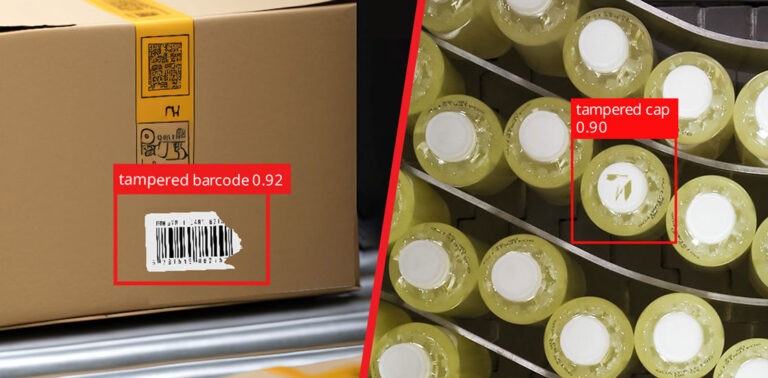
Modern confectionery plants increasingly rely on automation to streamline repetitive tasks and reduce human error. Automated systems can handle ingredient dosing, mixing, cooking, and packaging with high precision, minimizing the risk of stoppages due to mistakes or inconsistencies.
Digital monitoring tools provide real-time visibility into production line performance. By tracking key metrics such as temperature, pressure, and machine speed, operators can quickly identify deviations and intervene before small issues escalate into major disruptions. These technologies also support remote troubleshooting, reducing the need for on-site specialists and enabling faster response times.
Integrating automation and digital monitoring not only helps reduce downtime but also supports continuous improvement initiatives by providing actionable data for process optimization.
Staff Training and Standard Operating Procedures
Even the most advanced equipment requires skilled operators to run efficiently. Comprehensive staff training ensures that employees understand how to operate machinery safely, perform routine checks, and respond to alarms or abnormal conditions. Well-trained teams are less likely to make errors that lead to stoppages and are better equipped to resolve minor issues quickly.
Documented standard operating procedures (SOPs) provide clear instructions for every stage of production. SOPs help maintain consistency, reduce variability, and ensure that best practices are followed, all of which contribute to fewer interruptions and higher product quality.
Optimizing Maintenance Schedules and Spare Parts Management
Balancing maintenance frequency is key to minimizing both planned and unplanned downtime. Overly frequent maintenance can disrupt production unnecessarily, while infrequent checks increase the risk of breakdowns. Using data from predictive tools, manufacturers can tailor maintenance schedules to the actual condition of equipment, maximizing uptime.
Effective spare parts management is also essential. Keeping critical components in stock reduces repair times when failures do occur. Inventory systems should track usage rates and lead times to ensure that parts are available when needed, without tying up excessive capital in unused inventory.
Quality Control and Process Optimization
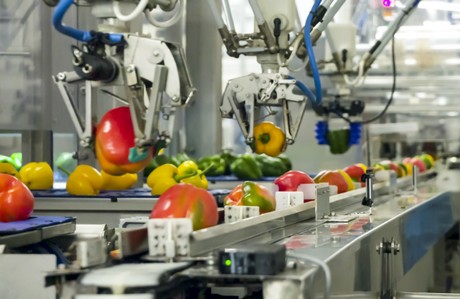
Quality issues are a frequent cause of production stoppages in candy manufacturing. Implementing robust quality control systems, such as automated inspection and in-line testing, helps detect defects early and reduces the need for rework or disposal. Continuous process optimization, supported by data analytics, can identify bottlenecks and inefficiencies that contribute to downtime.
Regularly reviewing production data and soliciting feedback from operators can uncover opportunities for improvement. Small changes to process parameters, equipment settings, or workflow organization can have a significant impact on overall line efficiency.
Leveraging Industry Best Practices and Cross-Sector Insights
Learning from other segments of the food industry can provide valuable insights. For example, approaches used in predictive maintenance for vegetable peelers or AI-driven batch cooking optimization can often be adapted for confectionery production lines. Benchmarking against industry leaders and participating in professional networks can help manufacturers stay up to date with the latest technologies and methodologies.
Frequently Asked Questions
What is the most effective strategy for minimizing unplanned downtime in candy production?
Predictive maintenance is widely regarded as one of the most effective strategies. By using sensors and analytics to monitor equipment health, manufacturers can address potential issues before they result in breakdowns, significantly reducing unexpected stoppages.
How does automation help reduce stoppages in confectionery plants?
Automation reduces human error, ensures consistent process control, and enables real-time monitoring of production lines. Automated systems can quickly detect deviations and trigger corrective actions, minimizing the risk of prolonged interruptions.
Why is staff training important for maintaining high uptime?
Well-trained staff are better equipped to operate machinery correctly, identify early signs of problems, and perform routine maintenance. This reduces the likelihood of operator-induced errors and helps resolve minor issues before they escalate into major downtime events.
Conclusion
Reducing downtime in industrial candy manufacturing requires a multifaceted approach. By combining predictive maintenance, automation, robust training programs, and continuous process improvement, manufacturers can keep their production lines running efficiently. Leveraging data and best practices from across the food industry further enhances operational resilience, ensuring that confectionery producers remain competitive and responsive to market demands.