

As manufacturing environments become more complex and interconnected, the ability to harness and interpret vast amounts of operational data has become a defining factor in industrial success. Factory big data analytics refers to the advanced methods and technologies used to collect, process, and analyze massive datasets generated by machines, sensors, and systems on the factory floor. These insights drive smarter decision-making, improve efficiency, and enable predictive maintenance, putting manufacturers at the forefront of digital transformation.
Understanding how to leverage analytics in a production setting is crucial for organizations aiming to stay competitive. This article breaks down the core concepts, benefits, and practical applications of data-driven manufacturing. For those interested in related visual techniques, you might also explore motion blur composition examples for inspiration in industrial imaging.
What Is Industrial Data Analysis?
At its core, industrial data analysis involves gathering information from various sources—such as sensors, programmable logic controllers (PLCs), and enterprise resource planning (ERP) systems—and using advanced algorithms to uncover trends, patterns, and anomalies. This process enables manufacturers to make informed decisions based on real-time and historical data, rather than relying solely on intuition or manual reporting.
The scope of analytics in manufacturing extends beyond simple dashboards. It encompasses everything from basic descriptive statistics to sophisticated predictive and prescriptive models. By integrating these tools, factories can optimize production schedules, reduce downtime, and enhance product quality.
Key Components of Data-Driven Manufacturing
To fully realize the benefits of analytics in a production environment, several foundational elements must be in place:
- Data Collection Infrastructure: Reliable sensors and IoT devices are essential for capturing accurate, high-frequency data from machines and processes.
- Data Storage and Management: Robust databases and cloud platforms store vast quantities of structured and unstructured information, ensuring accessibility and security.
- Analytics Tools: Software platforms equipped with machine learning, artificial intelligence, and visualization capabilities transform raw data into actionable insights.
- Integration with Operations: Seamless connectivity between analytics platforms and manufacturing execution systems (MES) allows for real-time feedback and automated responses.
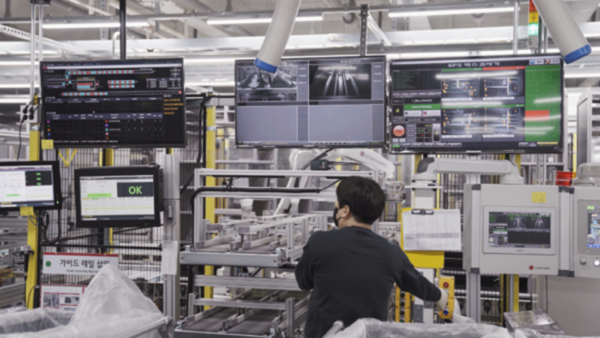
Benefits of Leveraging Analytics in Factories
Implementing analytics in manufacturing environments yields a range of tangible advantages:
- Increased Efficiency: Real-time monitoring and optimization of production lines help minimize bottlenecks and maximize throughput.
- Predictive Maintenance: By analyzing equipment data, factories can anticipate failures and schedule maintenance proactively, reducing unplanned downtime.
- Quality Improvement: Data-driven quality control identifies defects early, enabling rapid corrective action and reducing scrap rates.
- Cost Reduction: Optimized resource allocation and reduced waste lower operational expenses.
- Enhanced Decision-Making: Access to comprehensive analytics empowers managers to make faster, more accurate decisions.
How Big Data Analytics Transforms Factory Operations
The adoption of advanced analytics is reshaping how factories operate on a daily basis. Here are several ways in which these technologies are making an impact:
- Process Optimization: By continuously analyzing production data, manufacturers can identify inefficiencies and adjust workflows in real time.
- Supply Chain Visibility: Integrating analytics with supply chain management systems provides end-to-end transparency, improving inventory control and demand forecasting.
- Energy Management: Monitoring energy consumption patterns enables factories to implement conservation strategies and reduce utility costs.
- Workforce Productivity: Data on operator performance and machine utilization helps optimize staffing and training programs.
For a broader perspective on the evolution of smart manufacturing, the definition of a smart factory provides helpful context on how digital technologies are transforming the industry.
Challenges in Implementing Data Analytics in Manufacturing
While the advantages are substantial, integrating analytics into factory operations is not without obstacles:
- Data Silos: Disparate systems and legacy equipment can hinder seamless data collection and integration.
- Data Quality: Inaccurate or incomplete data can lead to misleading conclusions and poor decision-making.
- Change Management: Shifting to a data-driven culture requires training, buy-in from staff, and ongoing support.
- Cybersecurity Risks: Increased connectivity exposes factories to potential cyber threats, necessitating robust security measures.
- Scalability: As data volumes grow, ensuring that analytics platforms can scale efficiently is critical.

Best Practices for Successful Analytics Adoption
To maximize the value of analytics in a manufacturing setting, consider the following best practices:
- Start with Clear Objectives: Define specific goals, such as reducing downtime or improving yield, to guide your analytics initiatives.
- Invest in Scalable Infrastructure: Choose platforms that can grow with your data needs and integrate with existing systems.
- Prioritize Data Quality: Implement processes for data validation, cleansing, and standardization.
- Foster a Data-Driven Culture: Encourage collaboration between IT, operations, and management to ensure analytics are embraced at every level.
- Monitor and Iterate: Continuously assess the impact of analytics projects and refine approaches based on results.
For those new to industrial imaging and analysis, the motion blur settings for beginners guide offers practical advice on capturing and interpreting dynamic factory environments.
Frequently Asked Questions
What types of data are most valuable in manufacturing analytics?
The most valuable data sources typically include machine sensor readings, production throughput, quality inspection results, maintenance logs, and supply chain information. Combining these datasets allows for comprehensive analysis and more accurate predictions.
How does predictive maintenance work in a factory setting?
Predictive maintenance uses historical and real-time equipment data to identify patterns that precede failures. By applying machine learning algorithms, factories can forecast when a machine is likely to require service, minimizing unexpected breakdowns and optimizing maintenance schedules.
Is it necessary to replace all legacy equipment to benefit from analytics?
Not always. Many analytics platforms can integrate with existing machinery using retrofit sensors or data adapters. However, upgrading certain components may be necessary to achieve full connectivity and data accuracy.