
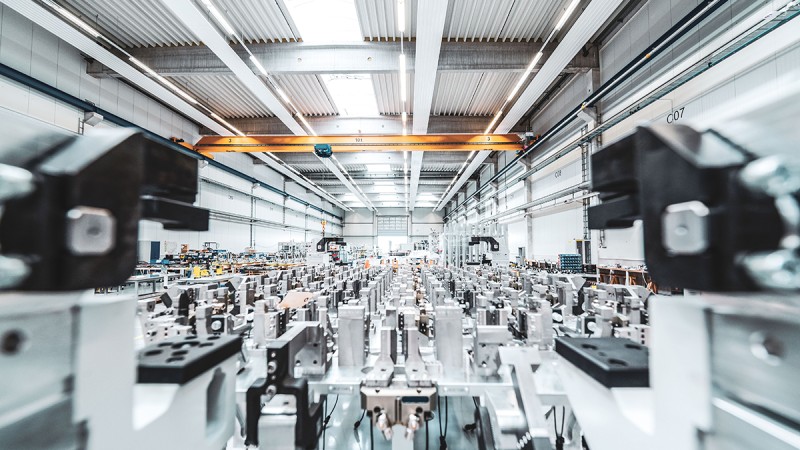
Improving factory energy efficiency is a top priority for manufacturers seeking to reduce operational costs, lower environmental impact, and remain competitive in a rapidly evolving industrial landscape. With rising energy prices and increasing regulatory demands, understanding how to optimize energy use in factories is more important than ever. This guide breaks down the core concepts, practical strategies, and modern technologies that drive energy savings on the factory floor.
Whether you operate a small manufacturing plant or oversee a large-scale facility, adopting energy-efficient practices can deliver significant benefits. We’ll explore actionable steps, from upgrading equipment to leveraging smart technologies, that help factories achieve measurable improvements in energy performance. For those interested in the digital transformation of industrial operations, our introduction to factory edge computing offers further insights into how connected systems can support efficiency goals.
Understanding the Basics of Industrial Energy Use
Before diving into specific techniques, it’s important to understand where energy is consumed in a typical factory. The main areas include:
- Machinery and Equipment: Motors, pumps, compressors, and production lines often account for the largest share of energy use.
- Lighting: Warehouses and production areas require significant illumination, especially in large facilities.
- Heating, Ventilation, and Air Conditioning (HVAC): Maintaining optimal temperatures and air quality is energy-intensive.
- Process Heating and Cooling: Many manufacturing processes require precise temperature control, which can be a major energy drain.
- Auxiliary Systems: This includes everything from IT infrastructure to water treatment and compressed air systems.
By identifying which systems consume the most energy, facility managers can prioritize upgrades and interventions for maximum impact.
Key Strategies for Boosting Factory Energy Efficiency
There are several proven approaches to enhance efficiency in industrial settings. These range from simple operational changes to advanced technology adoption.
1. Conducting Comprehensive Energy Audits
The first step toward greater efficiency is a thorough assessment of current energy use. Energy audits help pinpoint areas of waste, uncover hidden inefficiencies, and provide a roadmap for improvement. Audits typically involve:
- Reviewing utility bills and historical energy data
- Inspecting equipment for leaks, wear, or outdated technology
- Measuring system performance under different loads
- Identifying opportunities for process optimization
Many factories discover that small changes—like fixing compressed air leaks or adjusting machine schedules—can yield immediate savings.
2. Upgrading to High-Efficiency Equipment
Replacing aging or inefficient machinery with modern, energy-saving models is one of the most effective ways to cut energy costs. Key upgrades include:
- Variable Frequency Drives (VFDs) for motors, which adjust speed based on demand
- High-efficiency lighting such as LEDs
- Modern HVAC systems with smart controls
- Energy-efficient boilers and chillers
While these investments require upfront capital, the long-term savings and improved reliability often justify the expense.
3. Implementing Smart Factory Solutions
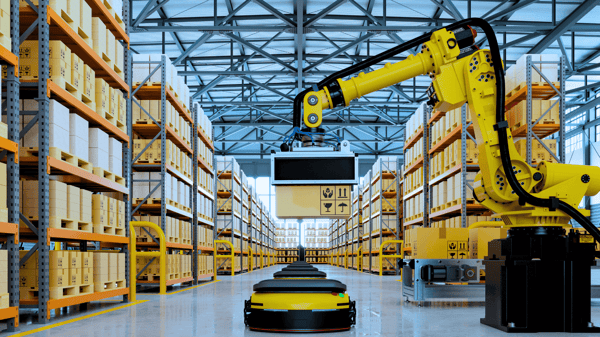
Digital transformation is reshaping how manufacturers approach energy management. By integrating sensors, data analytics, and automation, factories can monitor real-time energy usage and respond dynamically to changing conditions. For example, smart factory systems can automatically adjust lighting, HVAC, and machine operation based on occupancy or production schedules.
These technologies not only improve efficiency but also support predictive maintenance, reducing downtime and extending equipment life. For a deeper dive into the role of automation, see our article on understanding factory automation systems.

4. Optimizing Production Processes
Streamlining workflows and reducing unnecessary steps can have a direct impact on energy consumption. Techniques include:
- Scheduling high-energy tasks during off-peak hours
- Reducing idle time for machines and conveyors
- Implementing just-in-time manufacturing to minimize storage and handling
- Standardizing procedures to eliminate variability and waste
Data-driven process optimization, often supported by machine learning, can reveal patterns and bottlenecks that manual analysis might miss. Learn more about this approach in our guide on how machine learning optimizes production.
Monitoring and Continuous Improvement
Achieving and maintaining high levels of efficiency is an ongoing process. Factories should establish key performance indicators (KPIs) for energy use, regularly review results, and engage employees in identifying new opportunities for savings. Some best practices include:
- Setting clear energy reduction targets
- Providing training and incentives for staff participation
- Using dashboards and reports to track progress
- Benchmarking against industry standards
Continuous improvement ensures that efficiency gains are sustained and adapted to evolving production needs.
Benefits of Prioritizing Energy Efficiency in Manufacturing
The advantages of focusing on energy optimization extend beyond cost savings. Key benefits include:
- Lower Operating Expenses: Reduced energy bills free up resources for reinvestment.
- Environmental Impact: Lower emissions and resource consumption support sustainability goals.
- Regulatory Compliance: Meeting or exceeding energy standards helps avoid penalties and enhances reputation.
- Improved Reliability: Efficient systems are less prone to breakdowns and unplanned downtime.
- Competitive Advantage: Energy-efficient operations can be a differentiator in the marketplace.
For insights on how cloud-based solutions can further support smart, efficient operations, see our article on how cloud computing helps factories.
FAQ: Common Questions on Factory Energy Optimization
What is the first step to improving energy efficiency in a factory?
The initial step is to conduct a detailed energy audit. This process identifies where and how energy is being used, highlights inefficiencies, and provides a foundation for targeted improvements.
How can digital technologies help reduce energy consumption?
Digital tools such as IoT sensors, automation systems, and data analytics enable real-time monitoring and control of equipment. These technologies allow factories to adjust operations dynamically, detect anomalies, and optimize energy use across all processes.
Are there low-cost ways to boost energy efficiency?
Yes, many improvements require minimal investment. Examples include fixing leaks, adjusting machine schedules, upgrading to LED lighting, and training staff on energy-saving practices. Even small changes can lead to noticeable savings over time.
How often should energy performance be reviewed?
Regular reviews—at least quarterly—are recommended. Ongoing monitoring helps track progress, ensures that savings are maintained, and uncovers new opportunities for further optimization.