

The rise of the Industrial Internet of Things (IIoT) is transforming manufacturing, enabling smarter factories and more efficient operations. Understanding how devices, sensors, and systems connect and communicate on the factory floor is crucial for businesses looking to stay competitive. This article offers a practical overview of factory IoT connectivity explained, highlighting the technologies, benefits, and implementation strategies that drive modern industrial automation.
As factories adopt digital solutions, seamless connectivity becomes the foundation for real-time data collection, predictive maintenance, and process optimization. Whether you’re a plant manager, engineer, or business leader, grasping the essentials of industrial IoT networking can help you make informed decisions about upgrading your operations.
For those interested in the intersection of technology and visual creativity, exploring resources like motion blur composition examples can provide inspiration for capturing dynamic industrial environments.
Understanding Industrial IoT Communication
At its core, industrial IoT connectivity refers to the network of sensors, machines, controllers, and software platforms that exchange data across the production environment. This ecosystem relies on a mix of wired and wireless technologies to ensure reliable and secure information flow.
Common connectivity methods include Ethernet, Wi-Fi, Bluetooth, cellular (4G/5G), and specialized protocols like Zigbee or LoRaWAN. Each solution offers different trade-offs in terms of speed, range, energy consumption, and robustness. For example, Ethernet is favored for high-speed, low-latency connections between programmable logic controllers (PLCs) and supervisory systems, while wireless options are ideal for mobile assets or hard-to-reach areas.
Key Components of a Connected Factory
A modern factory’s IoT infrastructure typically consists of several layers:
- Edge Devices: Sensors, actuators, and embedded controllers that gather and transmit data from machines or processes.
- Gateways: Devices that aggregate data from multiple sources, perform initial processing, and forward information to higher-level systems.
- Network Infrastructure: Switches, routers, and wireless access points that provide the physical and logical pathways for data transmission.
- Cloud and On-Premises Platforms: Software solutions for data storage, analytics, visualization, and integration with enterprise resource planning (ERP) or manufacturing execution systems (MES).
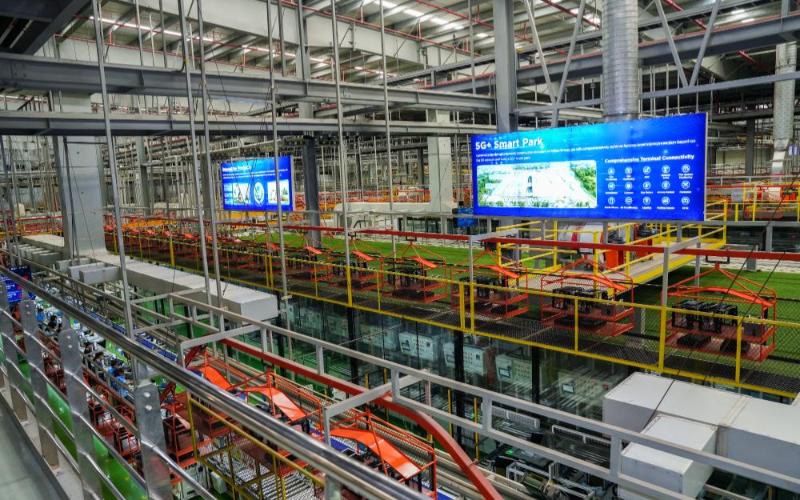
By connecting these components, factories can monitor equipment health, track production metrics, and automate responses to changing conditions.
Benefits of Seamless IoT Integration in Manufacturing
Implementing robust connectivity in industrial settings brings a range of advantages:
- Real-Time Monitoring: Continuous data streams allow operators to detect anomalies, prevent downtime, and optimize production schedules.
- Predictive Maintenance: By analyzing sensor data, factories can anticipate equipment failures and schedule repairs proactively, reducing costs.
- Process Automation: Automated workflows and machine-to-machine communication increase efficiency and reduce manual intervention.
- Data-Driven Decision Making: Access to accurate, timely information supports better planning and resource allocation.
- Scalability: Modular IoT architectures make it easier to expand operations or integrate new technologies as needs evolve.
These benefits contribute to higher productivity, improved quality, and greater flexibility in responding to market demands.
Challenges and Considerations for Industrial IoT Networks
While the advantages are clear, deploying and maintaining a connected factory environment comes with its own set of challenges:
- Security Risks: More connected devices mean a larger attack surface. Implementing strong authentication, encryption, and network segmentation is essential.
- Legacy Equipment Integration: Many factories operate with older machines that lack native connectivity. Retrofitting these assets requires careful planning and investment.
- Interoperability: Ensuring that devices from different vendors can communicate effectively often involves adopting open standards or middleware solutions.
- Network Reliability: Industrial environments can be harsh, with electromagnetic interference and physical obstructions affecting wireless performance.
- Data Management: Handling large volumes of data efficiently and extracting actionable insights demands robust analytics platforms.
Addressing these issues is critical for realizing the full potential of industrial IoT connectivity.
Best Practices for Building Reliable IoT Connectivity in Factories
To maximize the value of industrial IoT, manufacturers should follow these best practices:
- Assess Current Infrastructure: Evaluate existing networks and identify gaps or bottlenecks that could hinder connectivity.
- Prioritize Security: Implement layered security measures, including firewalls, intrusion detection, and regular software updates.
- Choose the Right Protocols: Select communication standards that align with your operational requirements and future scalability.
- Plan for Interoperability: Adopt solutions that support open APIs and industry standards to facilitate integration with diverse equipment.
- Invest in Training: Ensure staff are equipped to manage and troubleshoot connected systems, reducing reliance on external support.
- Monitor and Optimize: Use analytics tools to continuously monitor network performance and make data-driven improvements.
Following these steps helps build a resilient, future-ready industrial network that supports ongoing innovation.
Real-World Applications and Industry Trends
Factories around the world are leveraging advanced connectivity for a variety of use cases:
- Automated Quality Control: Vision systems and sensors detect defects in real time, reducing waste and improving consistency.
- Remote Asset Management: Operators can monitor and control machines from anywhere, enabling flexible staffing and faster response times.
- Energy Optimization: Smart meters and analytics platforms help reduce energy consumption and lower operating costs.
- Supply Chain Integration: Real-time data sharing with suppliers and logistics partners streamlines inventory management and order fulfillment.
For a deeper dive into how smart manufacturing is reshaping the industry, review this comprehensive overview of smart factory strategies from industry leaders.
Frequently Asked Questions
What is the role of IoT connectivity in modern factories?
Industrial IoT networking enables machines, sensors, and software to communicate seamlessly, providing real-time data for monitoring, automation, and decision-making. This connectivity is essential for achieving higher efficiency, predictive maintenance, and flexible manufacturing processes.
How do factories ensure secure IoT connections?
Security is addressed through a combination of network segmentation, strong authentication, encryption, and regular software updates. Manufacturers also monitor network traffic for anomalies and implement strict access controls to protect sensitive data.
Can older equipment be integrated into a connected factory environment?
Yes, legacy machines can often be retrofitted with sensors and gateways to enable data collection and communication. While this may require additional investment, it allows factories to modernize operations without replacing all existing equipment.