
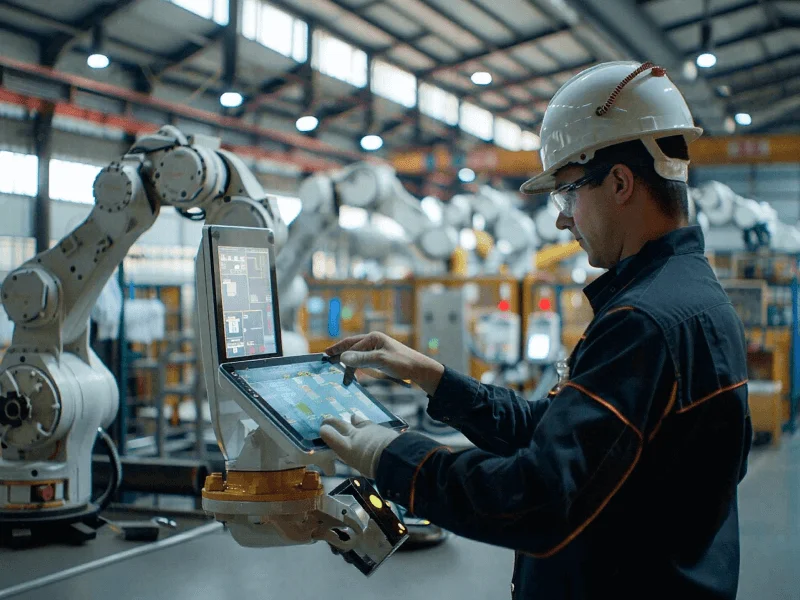
The manufacturing sector is undergoing a rapid transformation, driven by the integration of machine learning and artificial intelligence into factory operations. These technologies are not just buzzwords—they are reshaping how factories operate, optimize production, and maintain equipment. Understanding the practical uses of machine learning in industrial settings is crucial for manufacturers aiming to stay competitive and efficient.
In this guide, we’ll break down the most impactful ways machine learning is being used on the factory floor. From predictive maintenance to quality control and process optimization, these applications are delivering measurable results. If you’re interested in how real-time data and smart algorithms can change manufacturing, you’ll find actionable insights here.
For a deeper look at how factories leverage real-time data, see what is real-time factory monitoring.
How Machine Learning Is Transforming Factory Operations
The adoption of machine learning in manufacturing is accelerating as businesses look for ways to increase efficiency, reduce downtime, and improve product quality. By analyzing vast amounts of data from sensors, machines, and production lines, machine learning algorithms can identify patterns and make predictions that humans might miss.
Some of the most common uses include:
- Predictive maintenance to anticipate equipment failures before they happen
- Automated quality control using image recognition and anomaly detection
- Process optimization for better throughput and reduced waste
- Energy management and resource allocation
- Supply chain and inventory forecasting
Predictive Maintenance: Reducing Downtime with Data
One of the most valuable factory machine learning applications is predictive maintenance. Traditional maintenance schedules are often based on fixed intervals or after a breakdown occurs, which can lead to unnecessary repairs or costly unplanned downtime.
With machine learning, factories can analyze sensor data from equipment to predict when a component is likely to fail. Algorithms process signals such as vibration, temperature, and acoustic data to detect early warning signs. This allows maintenance teams to intervene only when necessary, saving both time and money.
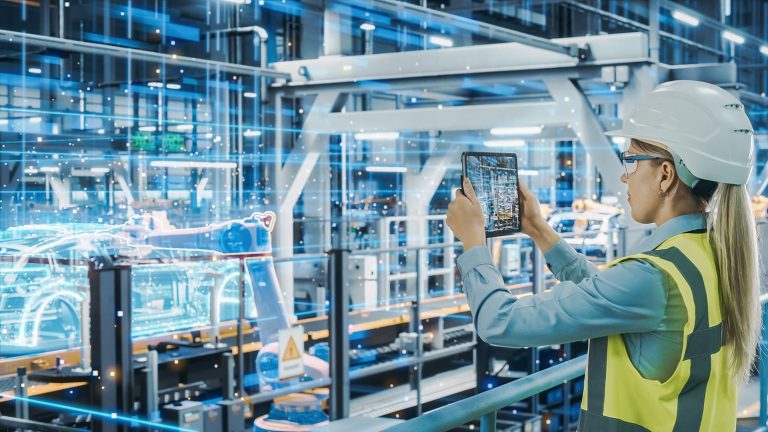
Predictive maintenance is closely linked to how smart sensors monitor production, as these sensors provide the real-time data needed for accurate predictions.
Automated Quality Control: Enhancing Product Consistency
Ensuring consistent product quality is a top priority for manufacturers. Machine learning enables automated quality control by analyzing images and sensor data from production lines. Advanced vision systems can spot defects, measure dimensions, and classify products at speeds far beyond human capability.
By training models on thousands of examples, these systems learn to recognize subtle variations that indicate defects. This not only reduces the risk of faulty products reaching customers but also helps identify root causes of quality issues, allowing for continuous improvement.
Process Optimization: Maximizing Efficiency and Reducing Waste
Another key area where machine learning in factories excels is process optimization. By analyzing historical and real-time data, algorithms can recommend adjustments to machine settings, production schedules, and resource allocation. This leads to higher throughput, lower energy consumption, and reduced material waste.
For example, machine learning models can optimize the temperature and speed of a production line to maximize yield while minimizing defects. These improvements are often incremental but add up to significant savings over time.

For manufacturers interested in energy savings, see our guide on factory energy efficiency explained for more strategies.
Integrating Machine Learning with Smart Factory Systems
The most successful implementations of machine learning in manufacturing are those that integrate with broader smart factory initiatives. This includes connecting machine learning models to IoT devices, cloud platforms, and enterprise resource planning (ERP) systems.
By creating a seamless flow of data between machines, sensors, and analytics platforms, manufacturers can achieve a level of automation and insight that was previously impossible. This integration enables real-time decision-making and continuous process improvement.
For a comprehensive overview of smart factory benefits, explore this introduction to smart factory concepts and advantages.
Challenges and Best Practices for Machine Learning in Manufacturing
While the benefits are clear, implementing machine learning in a factory environment comes with challenges. Data quality, integration complexity, and the need for skilled personnel are common hurdles. Here are some best practices for successful adoption:
- Start with a clear business objective, such as reducing downtime or improving quality
- Invest in high-quality data collection through reliable sensors and systems
- Collaborate with domain experts to interpret results and refine models
- Pilot projects on a small scale before scaling up
- Ensure ongoing training and support for staff
Manufacturers looking to expand their use of automation may also benefit from learning about how collaborative robots work in factories and how they complement machine learning systems.
Emerging Trends in Industrial AI and Machine Learning
The landscape of industrial AI is evolving rapidly. Some emerging trends include:
- Edge computing, allowing real-time analytics directly on factory equipment
- Self-learning systems that adapt to new data without manual intervention
- Integration of drones and robotics for automated inspection and logistics
- Greater use of digital twins to simulate and optimize factory processes
For more on the use of robotics and automation, see our article on industrial drone applications explained.
FAQ: Factory Machine Learning in Practice
What are the main benefits of using machine learning in factories?
The primary advantages include reduced downtime through predictive maintenance, improved product quality via automated inspections, optimized resource usage, and enhanced decision-making based on real-time data analysis.
How do factories get started with machine learning projects?
Most manufacturers begin by identifying a specific pain point, such as frequent equipment failures or quality issues. They then collect relevant data, partner with technology experts, and run pilot projects to demonstrate value before scaling up.
Is machine learning only for large factories?
No, businesses of all sizes can benefit. Many solutions are now available as cloud-based services or modular platforms, making it easier for small and medium-sized manufacturers to adopt these technologies without large upfront investments.