
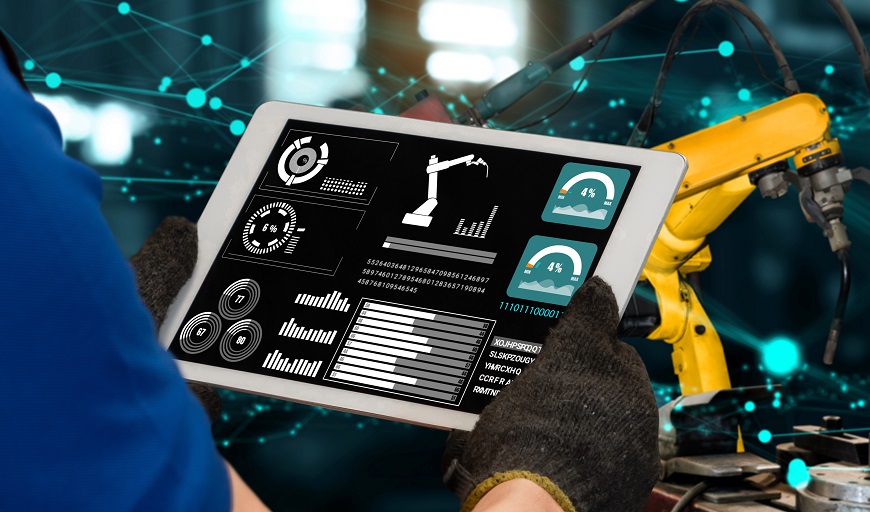
The manufacturing sector is undergoing rapid transformation as digital technologies become integral to factory operations. Businesses are increasingly turning to factory smart equipment case studies to understand how automation, data analytics, and AI-driven systems can improve productivity, efficiency, and quality. These real-world examples offer valuable insights into the tangible benefits and challenges of adopting smart manufacturing solutions.
By analyzing success stories and lessons learned, organizations can make informed decisions about integrating intelligent machinery and connected devices into their own production lines. For those interested in how visual effects and advanced imaging intersect with industrial technology, exploring resources like motion blur composition examples can provide additional inspiration for innovation.
Understanding Smart Manufacturing Solutions
Smart manufacturing refers to the use of advanced technologies—such as sensors, robotics, cloud computing, and artificial intelligence—to optimize factory operations. These systems enable real-time monitoring, predictive maintenance, and seamless communication between machines and human operators. The result is a more agile, data-driven approach to production that can adapt quickly to changing demands.
According to this overview of smart factory concepts, the core elements include connectivity, automation, and data analytics. By leveraging these components, manufacturers can reduce downtime, minimize waste, and increase overall equipment effectiveness.
Key Benefits Highlighted in Industrial Case Studies
Reviewing factory smart equipment case studies reveals several recurring advantages for manufacturers who embrace digital transformation:
- Increased Productivity: Automated systems can operate continuously, reducing manual intervention and boosting output.
- Enhanced Quality Control: Real-time data collection and analysis help identify defects early, leading to higher product quality.
- Reduced Operational Costs: Predictive maintenance and optimized workflows lower maintenance expenses and resource consumption.
- Greater Flexibility: Smart equipment can be reprogrammed or adjusted quickly to accommodate new products or changes in demand.
- Improved Safety: Automation reduces human exposure to hazardous environments and repetitive tasks.
Real-World Examples of Smart Equipment Integration
To illustrate the impact of these technologies, let’s examine a few representative scenarios where intelligent machinery has transformed factory operations.

Automotive Assembly Line Optimization
A leading automotive manufacturer implemented a network of IoT-enabled robots and sensors across its assembly lines. By collecting and analyzing data in real time, the company identified bottlenecks and adjusted workflows dynamically. This led to a 15% increase in throughput and a significant reduction in unplanned downtime.
Food Processing Plant Quality Assurance
In the food industry, maintaining consistent quality and safety is paramount. One processing plant adopted machine vision systems to inspect products for defects and contamination. The smart equipment automatically removed substandard items from the production line, resulting in improved product quality and fewer recalls.
Electronics Manufacturer’s Predictive Maintenance
An electronics manufacturer faced frequent equipment breakdowns that disrupted production. By integrating predictive maintenance tools powered by AI, the company could anticipate failures before they occurred. Maintenance teams received alerts based on sensor data, allowing them to address issues proactively and reduce costly downtime.
Challenges and Considerations in Adopting Intelligent Machinery
While the advantages are clear, factory smart equipment case studies also highlight several challenges that organizations must address:
- Upfront Investment: The initial cost of purchasing and integrating smart equipment can be significant.
- Workforce Training: Employees need to develop new skills to operate, maintain, and interpret data from advanced systems.
- Cybersecurity Risks: Increased connectivity exposes factories to potential cyber threats, requiring robust security measures.
- Data Management: Handling large volumes of data demands reliable infrastructure and effective analytics tools.
- Change Management: Shifting to a digital-first culture can encounter resistance from staff accustomed to traditional processes.
Best Practices for Implementing Smart Factory Solutions
Drawing from a range of industry case studies, several best practices emerge for successful adoption of intelligent equipment:
- Start Small: Pilot projects allow organizations to test new technologies and measure ROI before scaling up.
- Engage Stakeholders: Involving employees from the outset fosters buy-in and helps identify training needs.
- Prioritize Interoperability: Choose solutions that integrate smoothly with existing systems and can adapt to future upgrades.
- Focus on Data Security: Implement strong cybersecurity protocols to protect sensitive production data.
- Monitor and Iterate: Continuously track performance metrics and refine processes based on real-world results.
Emerging Trends in Digital Manufacturing
As technology evolves, several trends are shaping the future of smart factories:
- Edge Computing: Processing data closer to the source enables faster decision-making and reduces latency.
- Collaborative Robots (Cobots): These robots work alongside humans, enhancing flexibility and safety.
- AI-Driven Analytics: Advanced algorithms provide deeper insights into production processes and enable autonomous optimization.
- Sustainable Manufacturing: Smart equipment helps reduce energy consumption and waste, supporting environmental goals.
- Augmented Reality (AR): AR tools assist with training, maintenance, and remote troubleshooting.
For those interested in the intersection of imaging and industrial innovation, the motion blur cinematic photography guide offers a unique perspective on visual storytelling within technical environments.
FAQ: Insights on Smart Equipment in Manufacturing
What are the main drivers for adopting smart equipment in factories?
The primary motivations include improving operational efficiency, reducing costs, enhancing product quality, and increasing flexibility to respond to market changes. Smart equipment enables real-time monitoring and data-driven decision-making, which are essential for staying competitive.
How do companies ensure cybersecurity when implementing connected machinery?
Organizations invest in robust network security, regular software updates, employee training, and access controls. Segmenting networks and using encrypted communications are also common strategies to protect sensitive data from cyber threats.
What skills do workers need to succeed in a smart factory environment?
Employees benefit from technical skills related to automation, data analytics, and IT systems. Soft skills such as adaptability, problem-solving, and continuous learning are also crucial as roles evolve alongside technological advancements.
Conclusion: Learning from Industry Leaders
Examining factory smart equipment case studies provides a roadmap for manufacturers aiming to modernize their operations. By understanding both the benefits and challenges, organizations can develop tailored strategies for digital transformation. As more businesses share their experiences, the collective knowledge base grows, making it easier for others to navigate the journey toward smarter, more efficient production.