
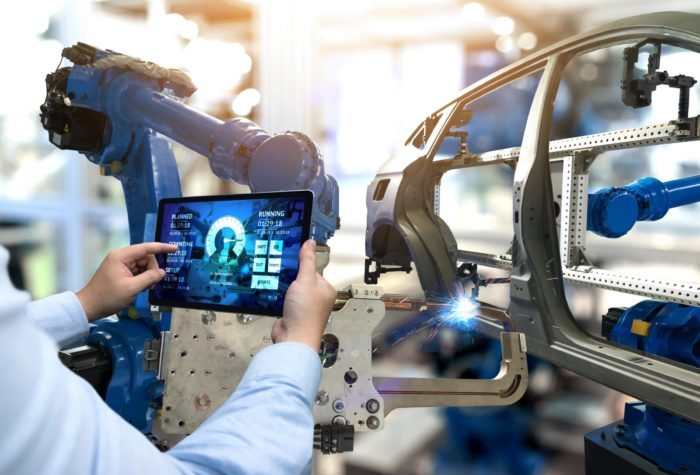
As manufacturing evolves, the need for seamless connectivity between machines, systems, and data sources becomes more urgent. Factory software integration is the process of connecting various digital tools and platforms within a production environment to enable real-time data sharing, automation, and improved decision-making. This article offers a comprehensive look at how these integrations work, their benefits, and what manufacturers should consider when planning their digital transformation.
Whether you’re a plant manager, IT specialist, or business owner, understanding the intricacies of connecting your factory’s software landscape can help you unlock greater efficiency and competitiveness. For those interested in related topics, you might also find value in exploring motion blur composition examples, which demonstrate how technology and creativity intersect in other fields.
Understanding the Basics of Digital Integration in Factories
At its core, integrating software in a factory means ensuring that different applications—such as Manufacturing Execution Systems (MES), Enterprise Resource Planning (ERP), Supervisory Control and Data Acquisition (SCADA), and machine-level controllers—can communicate and exchange data effectively. This connectivity enables a unified view of production, inventory, maintenance, and quality, supporting smarter and faster business decisions.
The primary goal is to break down silos between departments and processes. For example, when a machine reports downtime, the information can automatically trigger a maintenance request in the Computerized Maintenance Management System (CMMS) and update production schedules in the MES. This level of interoperability is what makes modern factories more responsive and resilient.
Key Components of Manufacturing Software Integration
To achieve a connected factory, several components must work together:
- Data Acquisition: Collecting information from sensors, machines, and manual inputs.
- Data Processing: Filtering, aggregating, and analyzing collected data for actionable insights.
- System Interfacing: Using APIs, middleware, or custom connectors to link different platforms.
- Visualization and Reporting: Presenting data through dashboards, alerts, and reports for various stakeholders.
- Automation: Enabling systems to trigger actions automatically based on predefined rules or real-time events.
Benefits of a Connected Production Environment
Implementing a robust integration strategy can deliver significant advantages:
- Real-Time Visibility: Managers gain instant access to production metrics, bottlenecks, and quality trends.
- Increased Efficiency: Automated workflows reduce manual data entry and the risk of human error.
- Better Decision-Making: Unified data enables more accurate forecasting and resource allocation.
- Scalability: Integrated systems can adapt more easily to new machines, lines, or business requirements.
- Regulatory Compliance: Automated record-keeping and traceability help meet industry standards.

Challenges in Implementing Software Connectivity
While the advantages are clear, integrating diverse software solutions in a factory setting is not without its hurdles:
- Legacy Systems: Older machines and software may lack modern connectivity options, requiring custom solutions.
- Data Security: More connections can increase vulnerability to cyber threats if not properly secured.
- Complexity: Integrating multiple platforms and data sources can create technical and organizational challenges.
- Cost: Upfront investments in integration tools, training, and support can be significant.
- Change Management: Employees may need time and support to adapt to new workflows and technologies.
Approaches to Achieving Seamless Factory Integration
There are several strategies for connecting software systems in manufacturing:
- Point-to-Point Integration: Directly connecting two systems using custom code or vendor-provided connectors. This approach is simple but can become difficult to manage as the number of systems grows.
- Middleware Platforms: Using an intermediary platform to standardize data exchange between multiple systems. Middleware can simplify integration and provide centralized management.
- Open Standards and APIs: Adopting industry standards (such as OPC UA or MQTT) and open APIs to ensure interoperability and future-proofing.
- Cloud-Based Integration: Leveraging cloud services to connect on-premises and remote systems, enabling scalability and easier updates.
Selecting the right approach depends on your factory’s size, existing infrastructure, and long-term digital strategy.
Smart Factory Trends and the Future of Integration
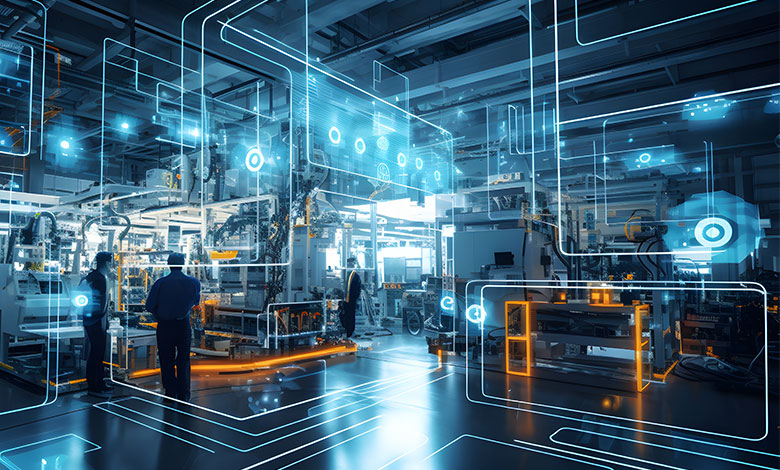
The evolution of smart factories is accelerating, with more manufacturers adopting advanced integration solutions. Technologies such as artificial intelligence, machine learning, and the Industrial Internet of Things (IIoT) are driving this transformation. As these technologies mature, the need for robust, flexible, and secure integration will only grow.
For a deeper dive into the impact of digital transformation on manufacturing, the smart factory overview from NetSuite provides valuable insights into how connected systems are shaping the industry.
Best Practices for Successful Software Integration in Manufacturing
To maximize the benefits of a connected production environment, consider these best practices:
- Define Clear Objectives: Identify what you want to achieve—whether it’s improved efficiency, better quality, or enhanced traceability.
- Assess Current Infrastructure: Understand your existing systems and identify gaps or compatibility issues.
- Prioritize Security: Implement robust cybersecurity measures to protect sensitive production data.
- Engage Stakeholders: Involve IT, operations, and management early to ensure buy-in and smooth implementation.
- Plan for Scalability: Choose solutions that can grow with your business and adapt to future needs.
- Invest in Training: Equip your workforce with the skills needed to operate and maintain integrated systems.
FAQ: Common Questions About Factory Software Integration
What is the main purpose of connecting software systems in manufacturing?
The primary aim is to enable seamless data flow between different applications and equipment, resulting in improved efficiency, real-time visibility, and better decision-making across the factory floor.
How do manufacturers handle legacy equipment that lacks modern connectivity?
Many factories use protocol converters, IoT gateways, or custom middleware to bridge the gap between older machines and modern software platforms. This allows legacy equipment to participate in integrated workflows without requiring complete replacement.
Are there security risks associated with increased connectivity?
Yes, connecting more systems can expose new vulnerabilities. It’s essential to implement strong cybersecurity practices, such as network segmentation, regular software updates, and employee training, to mitigate these risks.
Where can I learn more about digital transformation in manufacturing?
For further reading, consider exploring resources like the NetSuite smart factory guide or reviewing motion blur cinematic photography guide for insights into technology adoption in creative industries.