
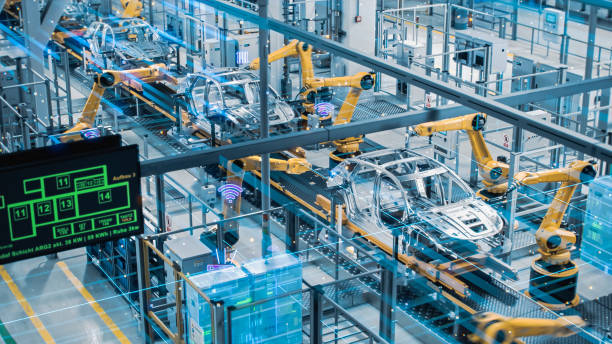
Improving efficiency and productivity on the factory floor is a top priority for manufacturers. As industries evolve, so do the methods and technologies available to streamline processes, reduce waste, and boost output. Applying factory workflow optimization techniques can transform operations, leading to better resource utilization and higher profitability.
This article explores proven strategies for enhancing manufacturing workflows, from embracing digital tools to fostering a culture of continuous improvement. Whether you manage a large-scale plant or a smaller production facility, understanding these approaches can help you identify bottlenecks, implement best practices, and stay competitive in a rapidly changing market.
For those interested in the intersection of technology and process improvement, exploring related topics such as motion blur composition examples can provide additional insights into visualizing and analyzing movement and efficiency on the factory floor.
Understanding Workflow Challenges in Manufacturing
Before applying any optimization strategy, it’s essential to identify the common obstacles that hinder smooth operations. These can include:
- Inefficient layout of machinery and workstations
- Poor communication between departments
- Manual data collection and reporting
- Unplanned downtime or equipment failures
- Inconsistent quality control procedures
- Excessive movement or transportation of materials
Recognizing these pain points is the first step toward implementing effective workflow optimization methods.
Digital Transformation and Smart Factory Solutions
The adoption of digital tools and automation is revolutionizing the way manufacturers approach process improvement. Smart factory technologies integrate sensors, data analytics, and real-time monitoring to provide actionable insights and enable predictive maintenance.
According to this overview of smart factory concepts, leveraging interconnected systems can dramatically reduce downtime, improve product quality, and enable rapid response to changing demands.
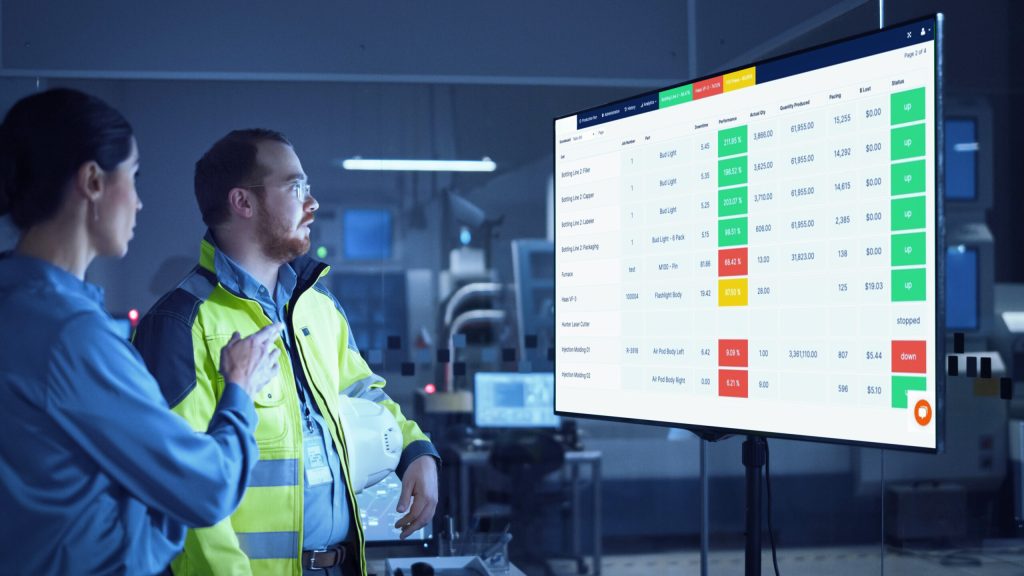
By digitizing production lines and using advanced monitoring systems, manufacturers can spot inefficiencies in real time and make data-driven decisions. This not only boosts productivity but also enhances traceability and compliance.
Lean Manufacturing Principles for Process Improvement
Lean manufacturing remains a cornerstone of factory workflow optimization. Its core philosophy is to eliminate waste and maximize value for the customer. Key lean strategies include:
- Value Stream Mapping: Visualizing every step in the production process to identify non-value-adding activities.
- 5S Methodology: Organizing the workplace for efficiency with Sort, Set in order, Shine, Standardize, and Sustain.
- Kaizen: Encouraging continuous, incremental improvements from all employees.
- Just-In-Time (JIT): Reducing inventory and producing only what is needed, when it’s needed.
- Standardized Work: Documenting best practices to ensure consistency and reduce variation.
Implementing these principles can help streamline operations, reduce costs, and foster a culture of ongoing improvement.
Automation and Robotics in Modern Factories
Automation is a powerful driver of efficiency. Introducing robotics and automated systems can handle repetitive tasks, reduce human error, and free up skilled workers for higher-value activities. Examples include robotic arms for assembly, automated guided vehicles (AGVs) for material transport, and conveyor systems for product movement.
The integration of automation should be guided by a clear understanding of current workflows and potential return on investment. It’s important to start with pilot projects, measure outcomes, and scale successful solutions across the facility.
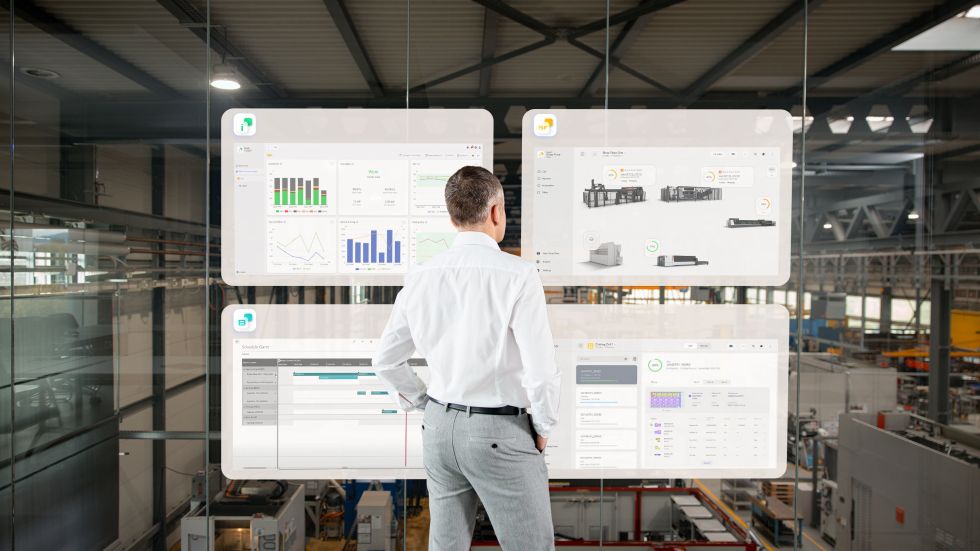
Data-Driven Decision Making and Continuous Monitoring
Collecting and analyzing production data is essential for ongoing optimization. Modern factories use sensors, IoT devices, and manufacturing execution systems (MES) to gather real-time information on machine performance, output rates, and quality metrics.
With accurate data, managers can quickly identify trends, detect anomalies, and implement corrective actions before small issues escalate. Dashboards and visualizations make it easier to communicate findings and track progress toward key performance indicators (KPIs).
Employee Engagement and Training
No optimization strategy is complete without considering the human element. Engaged and well-trained employees are more likely to spot inefficiencies, suggest improvements, and adapt to new technologies.
- Provide regular training on new equipment and procedures
- Encourage cross-functional teamwork and open communication
- Recognize and reward contributions to process improvement
- Empower workers to participate in problem-solving initiatives
Fostering a collaborative environment ensures that optimization efforts are sustainable and widely adopted.
Best Practices for Implementing Optimization Strategies
To ensure the success of any factory workflow optimization initiative, consider these best practices:
- Set Clear Objectives: Define what you want to achieve, such as reducing lead times or increasing throughput.
- Involve Stakeholders: Engage employees at all levels for buy-in and diverse perspectives.
- Pilot and Scale: Test new solutions on a small scale, measure results, and expand successful initiatives.
- Monitor Progress: Use KPIs and regular reviews to track improvements and identify new opportunities.
- Stay Agile: Be prepared to adapt strategies as technology and market conditions evolve.
These steps help create a structured approach to process improvement, minimizing risks and maximizing impact.
FAQ: Factory Workflow Optimization
What are the main benefits of optimizing factory workflows?
Streamlining manufacturing processes leads to increased productivity, reduced operational costs, improved product quality, and enhanced employee satisfaction. It also enables faster response to market changes and customer demands.
How can digital tools support process improvement?
Digital solutions such as IoT sensors, real-time dashboards, and manufacturing execution systems provide actionable data, automate routine tasks, and enable predictive maintenance. This allows for quicker identification of bottlenecks and more informed decision-making.
Is it necessary to automate every part of the production line?
Not every process needs full automation. The key is to identify repetitive, high-volume, or error-prone tasks that benefit most from automation. Combining human expertise with smart technology often yields the best results.
Conclusion
Adopting the right mix of factory workflow optimization techniques can transform manufacturing operations. By leveraging digital tools, lean principles, automation, and a culture of continuous improvement, factories can achieve greater efficiency, quality, and competitiveness. Staying informed about new technologies and best practices ensures ongoing success in an ever-evolving industrial landscape.