
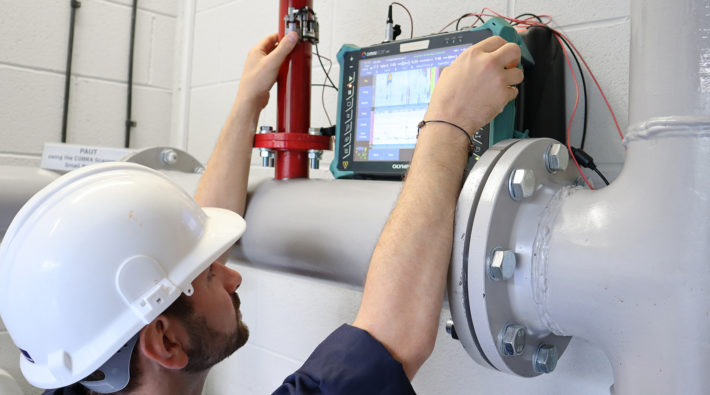
In the ever-evolving world of quality assurance, understanding frequency 101 for inspection technicians is crucial. Inspection technicians play a pivotal role in ensuring that systems and equipment operate correctly and safely. This involves a deep understanding of inspection frequencies and how they relate to maintaining optimal performance. In this article, we will delve into the nuances of inspection frequencies and why they are critical for inspection technicians.

The Importance of Inspection Frequencies
Inspection frequencies determine how often inspections should be conducted on equipment or systems. These frequencies are not arbitrary; they are based on various factors such as usage, environmental conditions, and the criticality of the equipment. Understanding these frequencies is essential for technicians to prevent unexpected failures and maintain safety standards.
Key Factors Influencing Inspection Frequency
There are several factors that influence how frequently inspections should be carried out. These include:
1. Equipment Usage
The more frequently equipment is used, the more often it may need to be inspected. High-usage equipment is prone to wear and tear, which can lead to malfunctions if not addressed promptly.
2. Environmental Conditions
Equipment that operates in harsh environments may require more frequent inspections. Factors such as temperature, humidity, and exposure to chemicals can affect the integrity of equipment over time.
3. Manufacturer’s Recommendations
Manufacturers often provide guidelines on how frequently their equipment should be inspected. These guidelines are based on extensive testing and analysis.
Techniques for Establishing Inspection Frequencies
1. Predictive Maintenance
Predictive maintenance involves using data and analytics to anticipate when equipment will need maintenance. This approach can help determine the optimal inspection frequency and reduce downtime.
2. Risk-Based Inspection
This technique involves assessing the risk associated with equipment failure and adjusting inspection frequencies accordingly. High-risk equipment may require more frequent inspections.
3. Historical Data Analysis
Reviewing historical inspection data can provide insights into how frequently inspections should be conducted. Trends in past data can help predict future needs.
Challenges in Frequency Management
Managing inspection frequencies comes with its own set of challenges. These include keeping up with changing regulations, ensuring accurate data collection, and maintaining consistency in inspections. Technicians must stay informed about industry standards and advancements in inspection technology.
Future Trends in Inspection Frequencies
The future of inspection frequencies is likely to be influenced by technological advancements. Innovations such as the future of frequency in inspection tools will play a significant role in shaping how frequencies are determined and managed.
Resources for Further Learning
For those interested in diving deeper into the subject, there are numerous resources available. Websites like Fat Finger and ACOEM provide valuable insights into determining inspection frequencies across different industries.
Conclusion
Understanding and managing frequency 101 for inspection technicians is vital for ensuring the reliability and safety of equipment and systems. By considering factors such as usage, environment, and risk, technicians can establish effective inspection schedules that minimize downtime and maximize performance.

FAQs
What is the role of an inspection technician?
An inspection technician is responsible for examining equipment and systems to ensure they are functioning correctly and safely. They assess the condition of components, identify potential issues, and recommend maintenance or repairs.
How do inspection frequencies affect equipment reliability?
Inspection frequencies directly impact equipment reliability by ensuring that potential issues are identified and addressed before they lead to failures. Regular inspections help maintain optimal performance and extend the lifespan of equipment.
What tools are commonly used by inspection technicians?
Inspection technicians use a variety of tools, including sensors, diagnostic software, and data analytics platforms, to assess equipment conditions and determine appropriate inspection frequencies.
This article contains affiliate links. We may earn a commission at no extra cost to you.