
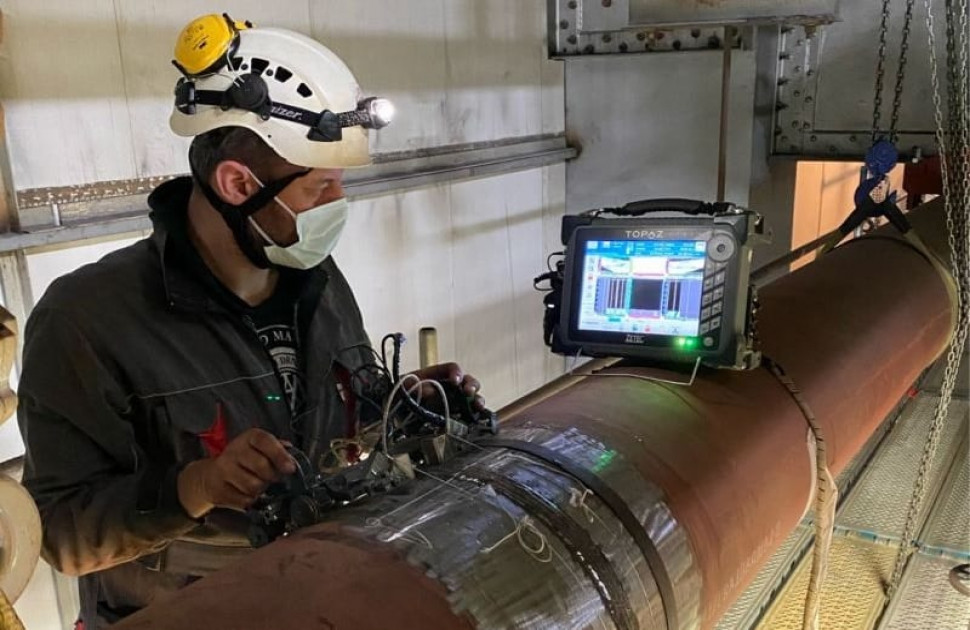
Understanding frequency testing standards for aerospace is critical in ensuring the safety, reliability, and performance of aircraft components and systems. In the aerospace industry, where precision and safety are paramount, these standards play a vital role in maintaining the integrity of the aircraft.

Introduction to Frequency Testing in Aerospace
Frequency testing is a method used to evaluate the dynamic properties of materials and components. This is especially important in aerospace, where components are subjected to various loads and stresses during flight. The frequency testing standards for aerospace ensure that components can withstand these stresses without failure.
The Importance of Frequency Testing
Frequency testing helps identify potential weaknesses in materials and structures. By understanding how these components behave under different frequencies, engineers can predict potential failures and design more robust systems.
Key Frequency Testing Standards
Several organizations have developed standards for frequency testing in aerospace. These include the ASTM International, the International Organization for Standardization (ISO), and the Society of Automotive Engineers (SAE). Each of these organizations provides guidelines on how to conduct frequency testing and interpret the results.
ASTM Frequency Testing Standards
The ASTM provides a range of standards for testing the mechanical properties of materials. These standards outline the procedures for conducting frequency tests and the criteria for evaluating the results.
ISO Frequency Testing Standards
ISO standards are internationally recognized guidelines that ensure consistency and quality in frequency testing procedures. These standards are crucial for manufacturers who operate in multiple countries and need to comply with international regulations.
SAE Frequency Testing Standards
The SAE standards focus on the aerospace industry and provide specific guidelines for testing aircraft components. These standards help ensure that all components meet the necessary safety and performance requirements.
Applications of Frequency Testing in Aerospace
Frequency testing is used in various applications within the aerospace industry. These include the testing of aircraft wings, fuselage, and engine components. By understanding how these components respond to different frequencies, engineers can design more efficient and reliable aircraft.
Testing Aircraft Wings
The wings of an aircraft are critical to its performance and safety. Frequency testing ensures that the wings can withstand the stresses of flight without compromising their structural integrity.
Testing Fuselage Components
The fuselage is the main body of the aircraft, and its components must be able to withstand various loads. Frequency testing helps identify any potential weaknesses in these components.
Engine Component Testing
The engine is one of the most critical parts of an aircraft. Frequency testing ensures that engine components can withstand the high-frequency vibrations they are subjected to during operation.
The Role of Technology in Frequency Testing
Advancements in technology have significantly improved the accuracy and efficiency of frequency testing in aerospace. Modern testing equipment can simulate a wide range of frequencies, allowing engineers to conduct more comprehensive tests.
Innovations in Testing Equipment
New technologies have made it possible to conduct frequency tests more quickly and accurately. This has led to significant improvements in the safety and reliability of aircraft components.
Data Analysis and Interpretation
The ability to analyze and interpret data from frequency tests is crucial in identifying potential issues and making informed decisions about component design and manufacturing.
Challenges in Frequency Testing
Despite the advancements in technology, there are still challenges associated with frequency testing in aerospace. These include the need for highly specialized equipment and the complexity of interpreting test results.
Equipment Limitations
Frequency testing requires specialized equipment that can be expensive and difficult to obtain. This can be a barrier for smaller manufacturers looking to conduct comprehensive tests.
Interpreting Test Results
Interpreting the results of frequency tests can be challenging, as it requires a deep understanding of material properties and engineering principles.
Future of Frequency Testing in Aerospace
The future of frequency testing in aerospace is promising, with ongoing advancements in technology and testing methodologies. These developments are expected to lead to even more accurate and efficient testing procedures.
Emerging Technologies
New technologies, such as artificial intelligence and machine learning, are being integrated into frequency testing procedures. These technologies have the potential to revolutionize the way tests are conducted and interpreted.
Improving Testing Standards
Efforts are being made to improve and update frequency testing standards to reflect the latest advancements in technology and materials science.
Conclusion
Understanding and adhering to frequency testing standards for aerospace is essential for ensuring the safety and reliability of aircraft. As technology continues to advance, these standards will evolve to incorporate new testing methodologies and technologies, further enhancing the safety and performance of aerospace components.

FAQs
What is frequency testing in aerospace?
Frequency testing in aerospace is a method used to evaluate the dynamic properties of materials and components to ensure they can withstand various loads and stresses during flight.
Why are frequency testing standards important?
Frequency testing standards are important because they provide guidelines for conducting tests and interpreting results, ensuring the safety, reliability, and performance of aircraft components.
What are the challenges in frequency testing?
Challenges in frequency testing include the need for specialized equipment, the complexity of interpreting test results, and ensuring compliance with international standards.
For more information on frequency testing and its applications, you can visit this external resource.
Discover more about innovations in synchronization technologies and how they impact frequency testing.
This article contains affiliate links. We may earn a commission at no extra cost to you.