
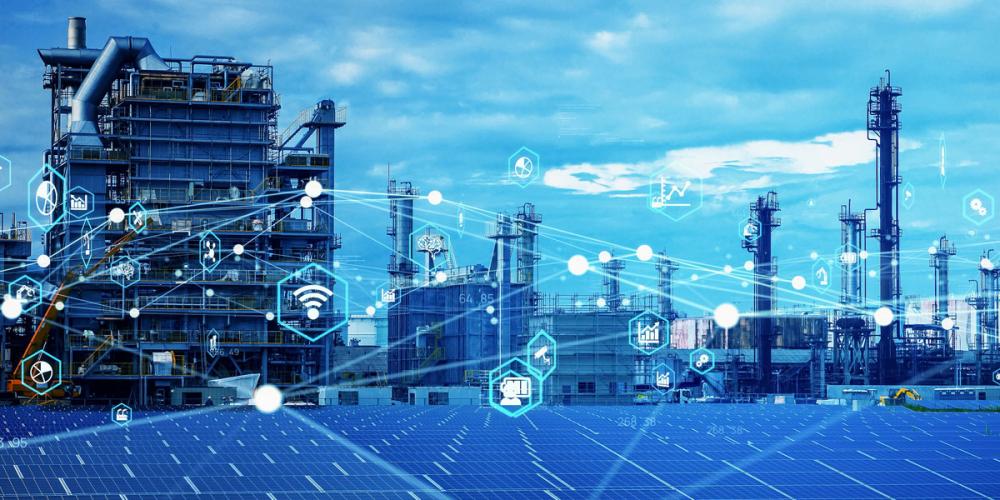
Modern manufacturing relies on a complex web of technology to maintain efficiency, safety, and product quality. At the heart of this transformation are advanced control systems, which automate and optimize processes across the production floor. Understanding how advanced control systems work is essential for anyone involved in industrial operations, engineering, or digital transformation initiatives.
These systems bring together sensors, controllers, software, and networked devices to monitor, analyze, and adjust factory operations in real time. By leveraging data and automation, factories can reduce downtime, improve consistency, and respond quickly to changing demands. For those interested in the visual side of industrial technology, exploring motion blur composition examples can offer creative inspiration for capturing the dynamic nature of automated environments.
The Role of Automation in Modern Manufacturing
Automation is no longer a luxury but a necessity in competitive manufacturing. Advanced control systems enable factories to move beyond manual oversight, allowing machines and processes to operate with minimal human intervention. This shift not only increases productivity but also enhances safety and reduces the risk of human error.
These systems use a combination of programmable logic controllers (PLCs), distributed control systems (DCS), and supervisory control and data acquisition (SCADA) platforms. Each component plays a unique role in managing different aspects of the production process, from simple repetitive tasks to complex, multi-stage operations.
Key Components of Advanced Control Systems
To grasp how advanced control systems work in industrial settings, it’s important to understand their core building blocks:
- Sensors and Actuators: Sensors collect real-time data on temperature, pressure, speed, and other variables. Actuators use this information to make physical adjustments, such as opening valves or starting motors.
- Controllers: Devices like PLCs and DCSs interpret sensor data and issue commands to actuators. They execute logic routines to maintain desired process conditions.
- Human-Machine Interfaces (HMIs): These provide operators with dashboards and controls to monitor system status and intervene when necessary.
- Communication Networks: Industrial Ethernet, wireless protocols, and fieldbus systems connect all components, enabling seamless data flow and remote access.
- Software and Analytics: Advanced algorithms analyze trends, predict equipment failures, and optimize process parameters for maximum efficiency.
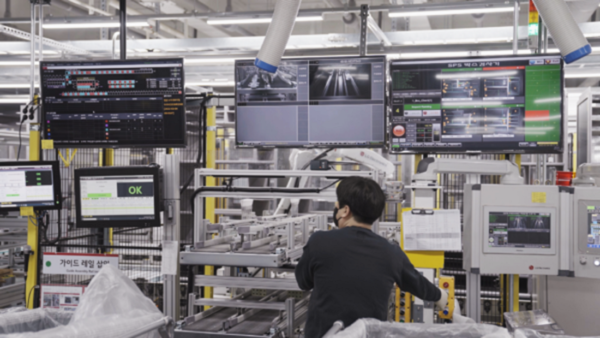
How Data Flows Through Factory Automation
The flow of information is central to how advanced control systems operate. Data from sensors is continuously sent to controllers, which process the information and determine the next action. This loop of measurement, analysis, and adjustment happens in milliseconds, ensuring that production lines remain stable and efficient.
For example, in a bottling plant, sensors might detect the fill level of each bottle. If a deviation is detected, the controller can instantly adjust the filling mechanism to correct the issue. This real-time feedback loop minimizes waste and maintains product quality.
The integration of machine learning and artificial intelligence is taking this further. Predictive analytics can identify patterns that signal upcoming equipment failures, allowing maintenance teams to act before breakdowns occur. This proactive approach reduces unplanned downtime and extends the life of critical assets.
Benefits of Implementing Advanced Control Technologies
Adopting sophisticated control systems brings a range of advantages to manufacturers:
- Increased Productivity: Automated systems can run continuously, boosting output and reducing cycle times.
- Improved Quality: Consistent monitoring and adjustment ensure products meet exact specifications.
- Energy Efficiency: Systems can optimize energy use by adjusting operations based on demand and process needs.
- Enhanced Safety: Automation reduces the need for workers to be in hazardous areas and can quickly respond to unsafe conditions.
- Cost Savings: Lower labor costs, reduced waste, and fewer equipment failures all contribute to a stronger bottom line.
Challenges and Considerations in Factory Automation
While the advantages are significant, implementing advanced control systems also presents challenges. Integration with legacy equipment, cybersecurity risks, and the need for skilled personnel are common concerns. Factories must invest in training and ongoing maintenance to ensure systems remain reliable and secure.
It’s also important to choose solutions that can scale and adapt as technology evolves. Open standards and modular architectures help future-proof investments and allow for easier upgrades.

Smart Factory Trends and the Future of Automation
The evolution of smart factories is accelerating, driven by advances in connectivity, artificial intelligence, and the Industrial Internet of Things (IIoT). As more devices become networked, the ability to collect and act on data grows exponentially. This shift is enabling new levels of flexibility, customization, and efficiency in manufacturing.
For a deeper dive into how digital transformation is reshaping production, resources like this comprehensive overview of smart factory technology provide valuable insights. Manufacturers are also exploring new ways to visualize and document factory processes, with techniques such as motion blur cinematic photography offering creative perspectives on automation in action.
Integrating Advanced Control with Existing Operations
Transitioning to more sophisticated automation doesn’t always require a complete overhaul. Many factories start by upgrading specific lines or processes, gradually integrating new technologies alongside existing systems. This phased approach allows for smoother adoption and minimizes disruption.
Key steps for successful integration include:
- Assessing current infrastructure and identifying bottlenecks or areas for improvement.
- Choosing scalable, interoperable control solutions that can connect with legacy equipment.
- Training staff to work with new interfaces and troubleshooting tools.
- Establishing robust cybersecurity protocols to protect sensitive data and operations.
As factories continue to evolve, the ability to adapt and upgrade control systems will be a major factor in maintaining competitiveness and resilience.
FAQ: Understanding Advanced Control in Manufacturing
What are the main types of control systems used in factories?
The most common types include programmable logic controllers (PLCs), distributed control systems (DCS), and supervisory control and data acquisition (SCADA) systems. Each serves different roles, from direct machine control to overseeing entire production lines.
How do advanced control systems improve product quality?
By continuously monitoring process variables and making real-time adjustments, these systems ensure that products are manufactured within precise tolerances. This reduces defects and maintains consistency across large production runs.
Are advanced control systems secure from cyber threats?
Security is a critical concern. Modern systems incorporate encryption, network segmentation, and regular software updates to defend against cyberattacks. However, ongoing vigilance and employee training are essential to maintain a strong security posture.
Can existing factories upgrade to advanced control systems?
Yes, many solutions are designed to integrate with older equipment. A phased approach, starting with critical areas, allows factories to modernize without major disruptions.
Conclusion
The adoption of advanced control systems is transforming manufacturing, enabling higher productivity, better quality, and greater flexibility. As technology continues to advance, staying informed about the latest trends and best practices is essential for any organization aiming to remain competitive. Whether you’re optimizing a single process or embarking on a full digital transformation, understanding the principles behind these systems is the first step toward a smarter, more efficient factory.