
The integration of artificial intelligence and the Internet of Things is transforming the manufacturing sector. By connecting machines, sensors, and systems, manufacturers can collect real-time data and apply advanced analytics to drive smarter decisions. These technologies are not just buzzwords—they are delivering measurable improvements in efficiency, quality, and agility across production environments.
As factories evolve into connected, data-driven environments, understanding how AI and IoT improve manufacturing insights becomes essential for staying competitive. This article explores the key benefits, practical applications, and future trends of these technologies in manufacturing. For those interested in visual creativity, you might also find value in exploring motion blur composition examples that showcase innovation in a different context.
Unlocking Data-Driven Manufacturing with AI and IoT
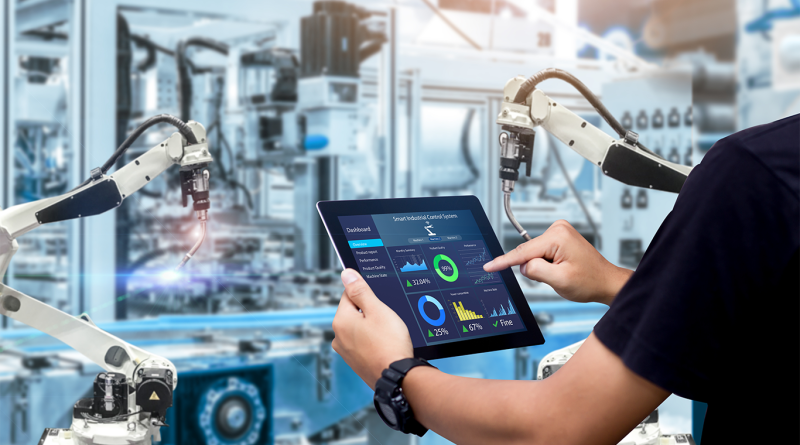
The combination of AI and IoT enables manufacturers to move beyond traditional automation. IoT devices—such as sensors, cameras, and smart controllers—gather vast amounts of data from every corner of the factory floor. AI algorithms then process this data, identifying patterns and anomalies that would be impossible to spot manually.
This synergy leads to actionable insights, allowing teams to optimize processes, reduce downtime, and anticipate maintenance needs. By leveraging these tools, companies can gain a holistic view of their operations, from supply chain logistics to equipment health.
Key Benefits of Intelligent Manufacturing Insights
Adopting AI and IoT in manufacturing delivers a range of tangible benefits:
- Predictive Maintenance: Sensors monitor machinery in real time, and AI predicts when components will fail, reducing unplanned downtime and maintenance costs.
- Quality Control: Automated inspection systems use computer vision and data analytics to detect defects early, improving product quality and consistency.
- Process Optimization: Data-driven insights help fine-tune production parameters, increasing throughput and reducing waste.
- Supply Chain Visibility: Connected devices track inventory and shipments, enabling more accurate forecasting and agile responses to disruptions.
- Energy Efficiency: Smart monitoring identifies areas of excessive energy use, supporting sustainability goals and cost savings.
Real-World Applications of Smart Manufacturing
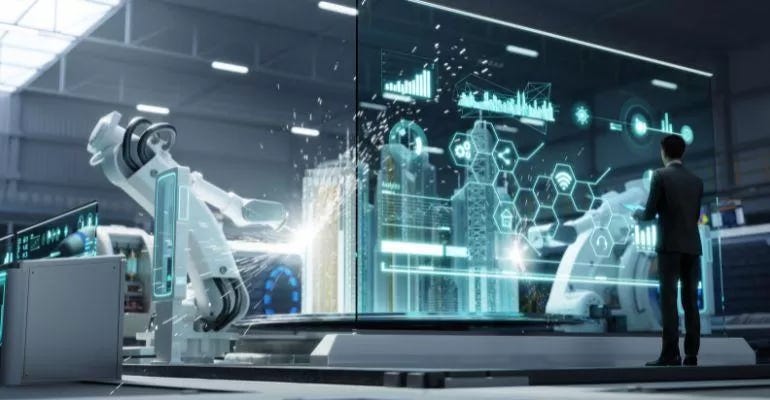
Across industries, manufacturers are using AI and IoT to solve specific challenges and gain a competitive edge. Here are some practical examples:
- Automotive: Assembly lines use machine learning to monitor torque, vibration, and temperature, ensuring each vehicle meets strict quality standards.
- Food & Beverage: Sensors track humidity and temperature throughout production, while AI algorithms adjust processes to maintain product safety and consistency.
- Electronics: Automated optical inspection systems powered by AI catch microscopic defects on circuit boards, reducing costly recalls.
- Pharmaceuticals: IoT-enabled equipment provides traceability and compliance data, while predictive analytics optimize batch yields.
These use cases demonstrate how advanced analytics and connected devices are reshaping manufacturing, from the shop floor to the supply chain.
Transforming Operations with Predictive Analytics
One of the most impactful ways AI and IoT enhance manufacturing is through predictive analytics. By continuously analyzing sensor data, AI models can forecast equipment failures, quality issues, and supply chain disruptions before they occur.
For example, vibration and temperature sensors on a production line can alert operators to subtle changes that indicate a bearing is wearing out. Maintenance can then be scheduled proactively, avoiding costly breakdowns and production losses.
Predictive analytics also supports inventory management. By analyzing trends in material usage and supplier performance, manufacturers can optimize stock levels and reduce waste.
Building the Foundation: Smart Factory Infrastructure
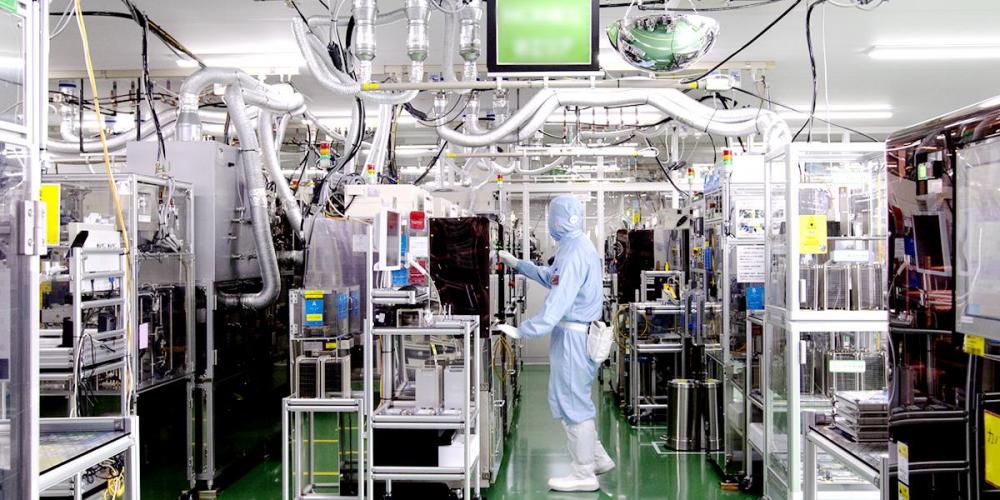
To fully realize the benefits of intelligent manufacturing, companies must invest in the right infrastructure. This includes robust networks, secure data storage, and scalable cloud platforms. Edge computing—processing data close to where it is generated—can reduce latency and improve responsiveness for critical applications.
For a deeper dive into the core concepts, learn more about smart factory fundamentals and how they underpin digital transformation in manufacturing.
Security is also paramount. With more devices connected to networks, manufacturers must implement strong cybersecurity measures to protect sensitive data and ensure operational continuity.
Challenges and Considerations for Manufacturers
While the advantages are clear, implementing AI and IoT in manufacturing comes with challenges. Integration with legacy systems, data privacy concerns, and the need for skilled personnel can slow adoption. Manufacturers should start with pilot projects, focusing on high-impact areas and scaling up as they gain experience.
Change management is another key factor. Teams must be trained to interpret data insights and adapt workflows accordingly. Collaboration between IT, operations, and engineering is essential for success.
Future Trends in Data-Driven Manufacturing
The evolution of AI and IoT in manufacturing is ongoing. Emerging trends include:
- Edge AI: Deploying AI models directly on IoT devices for faster, decentralized decision-making.
- Digital Twins: Creating virtual replicas of physical assets to simulate and optimize processes in real time.
- Collaborative Robots (Cobots): Robots equipped with AI and sensors that work safely alongside humans, enhancing productivity and flexibility.
- Advanced Visualization: Augmented reality (AR) and virtual reality (VR) tools that help operators interact with data and equipment more intuitively.
As these innovations mature, the potential for smarter manufacturing insights will continue to expand, driving greater efficiency and competitiveness.
Frequently Asked Questions
What are the main advantages of using AI and IoT in manufacturing?
The primary benefits include improved operational efficiency, predictive maintenance, enhanced quality control, better supply chain management, and increased energy savings. These technologies enable manufacturers to make data-driven decisions that reduce costs and boost productivity.
How do AI and IoT work together on the factory floor?
IoT devices collect real-time data from machines and processes, while AI analyzes this information to identify trends, predict issues, and optimize operations. Together, they create a feedback loop that continuously improves manufacturing performance.
What is required to implement AI and IoT in a manufacturing environment?
Successful implementation requires investment in connected devices, secure networks, data storage, and analytics platforms. It also involves training staff, integrating with existing systems, and establishing robust cybersecurity protocols.