
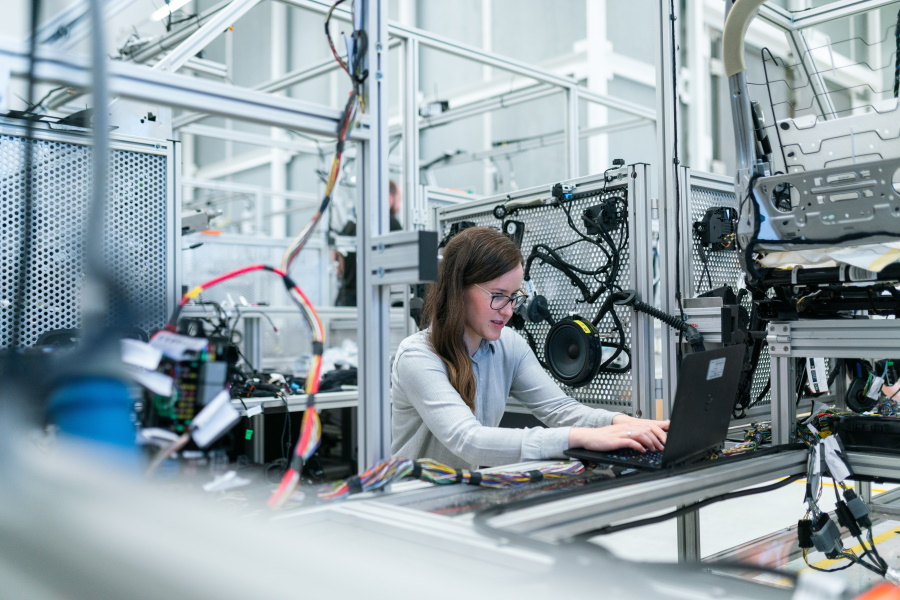
The integration of AI-driven robots in industrial settings is transforming how products are manufactured, assembled, and distributed. These advanced machines combine artificial intelligence with robotics to automate complex tasks, optimize workflows, and adapt to changing production needs. Understanding how AI-driven robots work in modern factories is essential for anyone interested in the future of manufacturing, automation, or industrial technology.
As factories evolve into smart, interconnected environments, the role of robotics powered by AI continues to expand. From precision assembly lines to real-time quality control, these systems are reshaping what’s possible on the factory floor. For those new to the topic or looking to deepen their understanding, exploring practical examples and expert resources—such as motion blur composition examples—can provide valuable context for how automation and intelligent systems intersect.
Core Principles Behind Intelligent Robotics in Manufacturing
At the heart of automated manufacturing are robots equipped with sensors, actuators, and AI algorithms. These components allow machines to perceive their environment, make decisions, and execute tasks with minimal human intervention. The combination of robotics and artificial intelligence enables factories to achieve greater efficiency, flexibility, and safety.
- Perception: Sensors such as cameras, lidar, and force detectors help robots “see” and interpret their surroundings.
- Decision-Making: AI models process sensor data, recognize patterns, and determine the best actions to take.
- Action: Robotic arms, grippers, and mobile platforms carry out physical tasks based on AI-driven instructions.
This synergy between hardware and software is what allows modern robots to handle tasks ranging from simple pick-and-place operations to intricate assembly and inspection processes.
Key Technologies Powering AI-Enhanced Automation
Several technological advancements have made it possible for robots to operate autonomously in complex factory environments. Here are some of the most important:
- Machine Learning: By learning from data, robots can improve their performance over time, adapt to new products, and optimize their movements for speed and accuracy.
- Computer Vision: Advanced image processing enables robots to identify objects, read barcodes, and inspect products for defects.
- Collaborative Robotics (Cobots): These robots are designed to work safely alongside humans, using AI to detect human presence and adjust their actions accordingly.
- Edge Computing: Processing data locally on the robot or nearby devices reduces latency and allows for real-time decision-making.
- Industrial Internet of Things (IIoT): Connecting robots to factory networks enables centralized monitoring, predictive maintenance, and seamless integration with other systems.
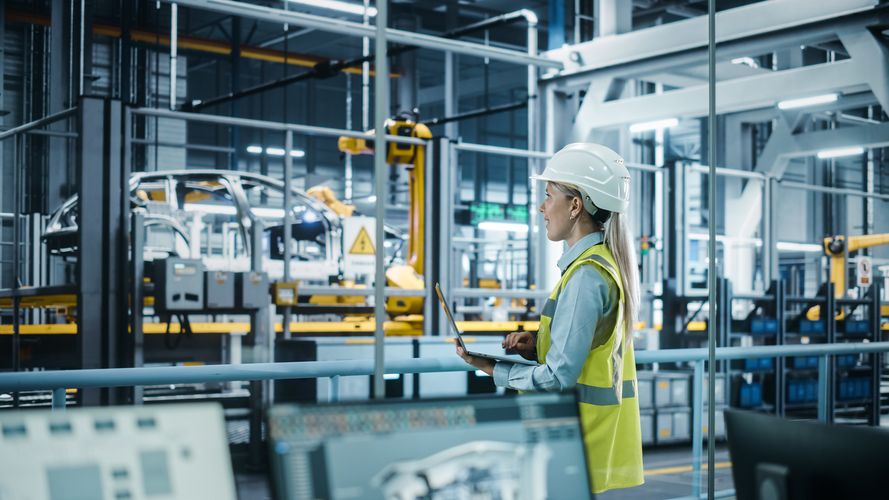
Real-World Applications of AI-Driven Robotics in Industry
The practical uses of intelligent robots in factories are vast and growing. Some of the most common applications include:
- Automated Assembly: Robots assemble products with high precision, often handling tiny components or repetitive tasks that would be difficult or unsafe for humans.
- Quality Inspection: Using computer vision and AI, robots can detect defects, measure tolerances, and ensure products meet strict quality standards.
- Material Handling: Mobile robots transport raw materials and finished goods across the factory floor, optimizing logistics and reducing manual labor.
- Packaging and Palletizing: Automated systems efficiently pack products and stack them for shipment, improving throughput and consistency.
- Predictive Maintenance: AI algorithms analyze machine data to predict when equipment will need servicing, minimizing downtime and extending asset life.
By leveraging these capabilities, manufacturers can increase productivity, reduce costs, and respond more quickly to market demands.
How Smart Factories Benefit from AI Robotics
The shift toward smart factories is driven by the need for greater flexibility, efficiency, and data-driven decision-making. AI-powered robots play a central role in this transformation by enabling:
- Flexible Production: Robots can be reprogrammed or retrained to handle new products or processes, supporting rapid shifts in manufacturing lines.
- Enhanced Safety: Intelligent systems monitor their environment and can avoid collisions, reducing workplace accidents.
- Continuous Improvement: Data collected by robots feeds into analytics platforms, helping managers identify bottlenecks and optimize workflows.
- Cost Savings: Automation reduces labor costs and minimizes waste by improving accuracy and consistency.
For a deeper dive into how digital transformation is reshaping industrial operations, resources like this smart factory overview offer valuable insights into the strategic advantages of adopting AI and automation.
Challenges and Considerations for Implementing AI Robotics
While the benefits of intelligent automation are significant, there are also challenges to consider:
- Integration Complexity: Connecting new robots with existing systems and workflows can require significant planning and investment.
- Data Security: As more devices connect to factory networks, protecting sensitive information becomes critical.
- Workforce Adaptation: Employees may need training to work alongside robots and manage new technologies.
- Upfront Costs: Although automation often leads to long-term savings, initial investments in hardware, software, and integration can be substantial.
Addressing these issues requires a thoughtful approach, including clear communication with staff, robust cybersecurity measures, and a phased rollout of new technologies.
Looking Ahead: The Future of AI and Robotics in Manufacturing
As artificial intelligence continues to advance, the capabilities of industrial robots will only grow. Future trends may include:
- Greater Autonomy: Robots will become increasingly self-sufficient, requiring less human oversight.
- Advanced Human-Robot Collaboration: Improved safety features and intuitive interfaces will make it easier for people and machines to work together.
- Personalized Production: Factories may shift toward smaller batch sizes and customized products, with robots adapting on the fly.
- Expanded Use of AI Diagnostics: Predictive analytics and real-time monitoring will further reduce downtime and improve quality.
For those interested in photography and visual documentation of industrial processes, guides such as the motion blur cinematic photography guide can provide inspiration for capturing the dynamic nature of modern factories.
FAQ
What types of tasks can AI-powered robots perform in factories?
AI-enabled robots are capable of a wide range of tasks, including assembly, quality inspection, material handling, packaging, and predictive maintenance. Their ability to learn and adapt allows them to take on both repetitive and complex operations.
How do AI-driven robots improve factory efficiency?
By automating routine processes, optimizing workflows, and reducing errors, these robots help factories increase productivity and minimize waste. Their real-time data collection also supports continuous improvement and faster decision-making.
Are AI robots safe to work alongside humans?
Yes, many modern robots are designed with advanced safety features, including sensors that detect human presence and AI algorithms that adjust robot behavior to prevent accidents. Collaborative robots (cobots) are specifically built to operate safely in shared workspaces.
What are the main challenges of adopting AI robotics in manufacturing?
Key challenges include integrating new systems with existing infrastructure, ensuring data security, managing upfront costs, and training employees to work with advanced technologies.