
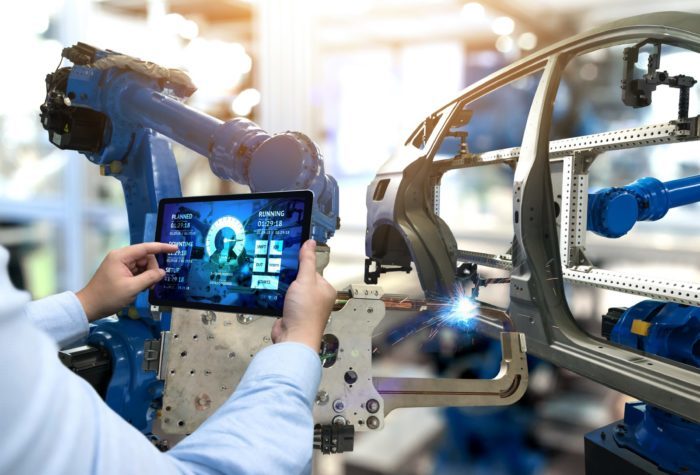
The manufacturing sector is undergoing a significant transformation as artificial intelligence becomes an integral part of quality assurance. By leveraging advanced algorithms and real-time data, AI systems are now capable of identifying and predicting potential defects before they impact production lines or reach customers. Understanding how AI predicts quality defects is essential for manufacturers aiming to improve efficiency, reduce waste, and maintain high product standards.
As the industry embraces digitalization, resources like the motion blur settings for beginners guide illustrate how technology and automation are influencing various fields, including quality control. In this article, we’ll explore the mechanisms behind AI-powered defect prediction, its benefits, and practical considerations for implementation.
AI’s Role in Modern Quality Control
Traditional quality inspection methods often rely on manual checks or simple automation, which can be time-consuming and prone to human error. In contrast, AI-driven systems utilize machine learning, computer vision, and data analytics to monitor production processes in real time. These technologies enable rapid detection and prediction of anomalies, allowing manufacturers to address issues proactively.
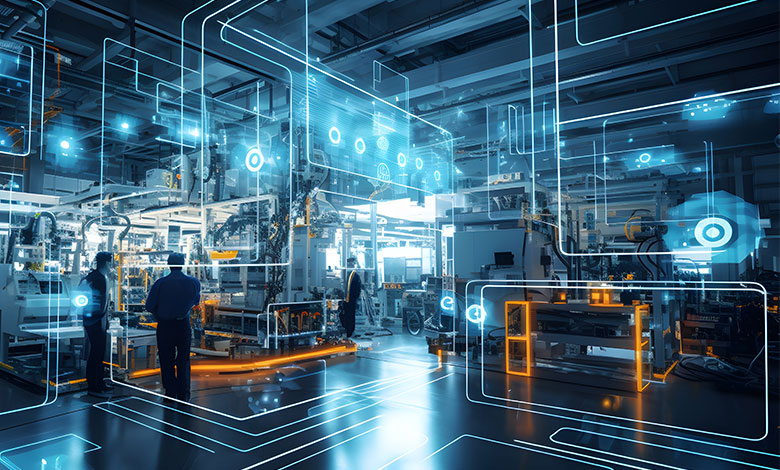
The integration of AI into quality assurance is a cornerstone of the smart factory concept, where interconnected devices and intelligent software collaborate to optimize every aspect of manufacturing. By learning from historical production data, AI models can identify subtle patterns that may indicate emerging defects, helping to prevent costly recalls and downtime.
Key Technologies Behind Predictive Defect Detection
Several core technologies make it possible for AI to anticipate and identify quality issues:
- Machine Learning Algorithms: These models analyze vast datasets from production lines, learning to recognize normal and abnormal patterns. Over time, they improve their accuracy in predicting when and where defects are likely to occur.
- Computer Vision: High-resolution cameras and image processing algorithms inspect products for surface flaws, dimensional inaccuracies, or assembly errors. Computer vision systems can operate at speeds and precision levels unattainable by human inspectors.
- Sensor Data Analytics: Sensors embedded in machinery collect data on temperature, pressure, vibration, and other variables. AI analyzes this data to detect deviations that may signal a developing defect.
- Anomaly Detection: By continuously monitoring production metrics, AI can flag unusual trends or outliers that suggest a process is drifting out of control.

How AI Predicts Quality Defects Using Data
The process of predicting quality issues with AI begins with data collection. Sensors and cameras installed throughout the production line generate a continuous stream of information. This data is then fed into machine learning models that have been trained on historical defect records and normal production runs.
These models use statistical analysis and pattern recognition to compare current production data with known defect signatures. When the AI detects a pattern that matches or closely resembles a previous defect, it can alert operators or automatically adjust machine settings to prevent the issue from escalating.
For example, if a machine learning model notices a slight but consistent increase in vibration from a motor that previously led to misaligned parts, it can predict a similar defect is likely to occur. Maintenance teams can then intervene before the problem affects product quality.
Benefits of AI-Driven Quality Prediction
- Reduced Scrap and Rework: By catching defects early, manufacturers minimize wasted materials and labor.
- Improved Product Consistency: Automated inspection ensures every item meets the same high standards.
- Faster Response Times: Real-time alerts enable immediate corrective action, reducing downtime.
- Lower Operational Costs: Efficient defect detection reduces the need for manual inspections and post-production fixes.
- Enhanced Traceability: AI systems log every inspection and intervention, supporting compliance and continuous improvement.
Challenges and Considerations for Implementation
While the advantages of predictive quality control are clear, deploying AI in manufacturing environments comes with challenges. Data quality is paramount—models are only as good as the information they receive. Incomplete or inaccurate data can lead to false positives or missed defects.
Additionally, integrating AI with legacy equipment may require significant investment in sensors, networking, and computing infrastructure. Staff training is also essential to ensure teams understand how to interpret AI-generated insights and act on them effectively.
For organizations new to AI, starting with pilot projects on a single production line can help demonstrate value and build confidence before scaling up. Resources such as motion blur cinematic photography guide can provide inspiration for adopting new technologies in a phased approach.
Real-World Applications and Success Stories
Manufacturers across industries are already seeing significant improvements by adopting AI-powered quality control. In automotive assembly, computer vision systems inspect welds and paint finishes for imperfections, while electronics manufacturers use machine learning to detect faulty solder joints on circuit boards.
Food and beverage producers employ AI to monitor packaging lines, ensuring labels are correctly applied and containers are properly sealed. These applications demonstrate the versatility of AI in addressing diverse quality challenges and highlight the potential for further innovation.
For those interested in creative uses of technology, the motion blur composition examples resource showcases how advanced imaging and analysis can be applied in fields beyond manufacturing, emphasizing the broad impact of AI and automation.
Frequently Asked Questions
What types of defects can AI detect in manufacturing?
AI systems can identify a wide range of quality issues, including surface scratches, dimensional inaccuracies, assembly errors, and process anomalies. The specific types of defects detected depend on the sensors, cameras, and algorithms used in the inspection system.
How does AI improve over time in predicting defects?
Machine learning models continuously learn from new production data and feedback. As more defect cases are encountered and labeled, the AI refines its understanding of what constitutes a defect, improving both detection accuracy and the ability to anticipate future issues.
Is it difficult to integrate AI with existing manufacturing equipment?
Integration can vary in complexity based on the age and type of equipment. Modern machines often have built-in connectivity, making it easier to add AI-driven analytics. Older systems may require retrofitting with sensors and data interfaces, but many vendors offer solutions designed for gradual adoption.
Conclusion
The adoption of artificial intelligence for predicting and preventing quality defects is reshaping the manufacturing landscape. By harnessing machine learning, computer vision, and data analytics, manufacturers can achieve higher product standards, reduce costs, and respond swiftly to emerging issues. As technology continues to evolve, the ability to anticipate and address defects before they occur will become a defining feature of competitive, efficient production environments.