
The manufacturing sector is undergoing rapid transformation, driven by the integration of artificial intelligence into daily operations. Companies are increasingly relying on advanced algorithms and data-driven insights to optimize production, enhance quality, and remain competitive. Understanding how AI supports decision making is crucial for leaders aiming to modernize their facilities and processes.
Artificial intelligence brings a new level of precision and efficiency to manufacturing by analyzing vast amounts of data, predicting outcomes, and recommending actions. This technology not only streamlines workflows but also empowers teams to make faster, more informed choices. For those interested in visual creativity within industrial settings, exploring resources like motion blur composition examples can provide inspiration for documenting technological advancements.
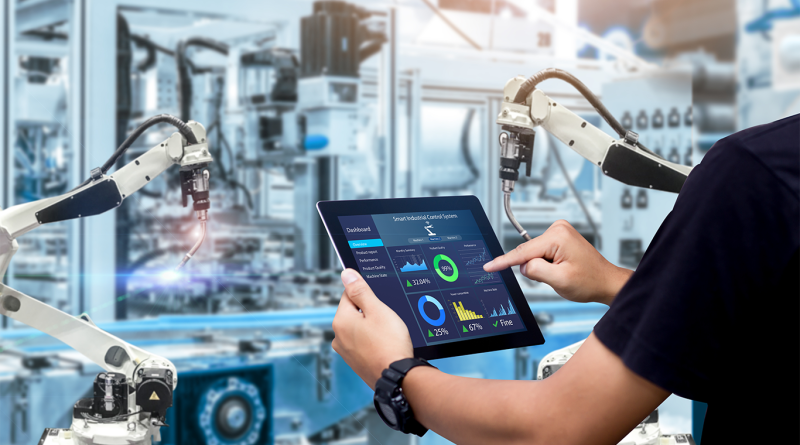
AI-Driven Insights for Smarter Manufacturing Choices
Manufacturers are leveraging artificial intelligence to process real-time data from sensors, machines, and enterprise systems. By doing so, they can quickly identify inefficiencies, predict maintenance needs, and optimize supply chains. This proactive approach minimizes downtime and reduces operational costs.
For instance, predictive maintenance powered by AI can alert operators to potential equipment failures before they occur. This not only prevents costly breakdowns but also extends the lifespan of machinery. Furthermore, AI-driven analytics help managers allocate resources more effectively, ensuring that production schedules are met and quality standards are maintained.
Enhancing Quality Control with Intelligent Systems
Quality assurance is a critical aspect of manufacturing, and artificial intelligence is transforming how defects are detected and addressed. Machine learning models can analyze images from cameras installed on production lines, identifying flaws that might be missed by the human eye. This results in higher product consistency and fewer recalls.
In addition to visual inspection, AI systems can monitor environmental factors such as temperature, humidity, and vibration. By correlating these variables with product outcomes, manufacturers can fine-tune their processes for optimal results. The integration of AI in quality control not only boosts efficiency but also builds trust with customers by ensuring reliable products.
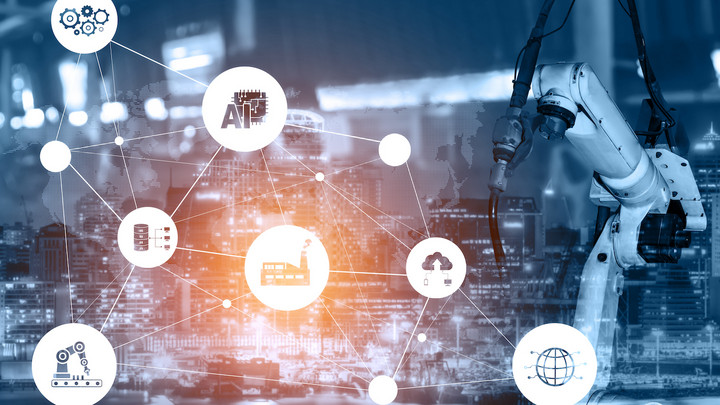
Optimizing Supply Chains Through AI-Enabled Decision Support
Supply chain management is another area where artificial intelligence is making a significant impact. AI algorithms can forecast demand, track inventory levels, and suggest optimal delivery routes. This level of automation helps companies respond swiftly to market changes and customer needs.
By integrating AI with existing enterprise resource planning (ERP) systems, manufacturers gain a holistic view of their operations. This enables better coordination between suppliers, production teams, and distributors. As a result, companies can reduce lead times, minimize excess inventory, and improve overall customer satisfaction.
Real-Time Monitoring and Adaptive Production
Modern manufacturing environments are increasingly adopting real-time monitoring systems powered by artificial intelligence. These platforms collect and analyze data from connected devices, providing instant feedback on production status and equipment health. When anomalies are detected, AI can trigger automated responses or alert human operators for intervention.
Adaptive production lines, guided by intelligent algorithms, can adjust parameters on the fly to accommodate changes in materials, demand, or equipment performance. This flexibility is essential for manufacturers aiming to stay agile in a rapidly changing market.
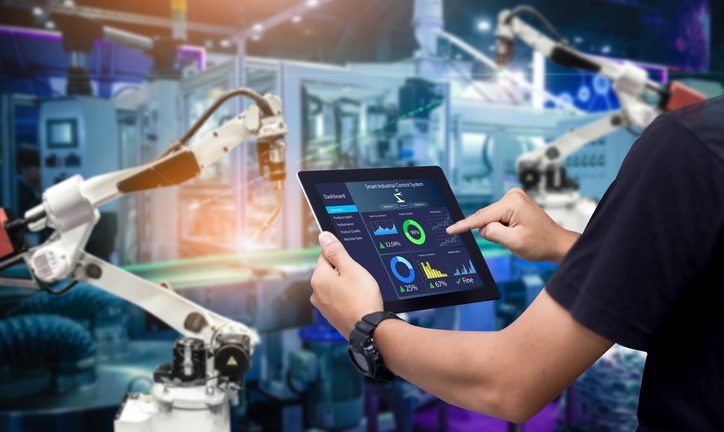
Benefits and Challenges of AI-Driven Decision Making
The advantages of integrating artificial intelligence into manufacturing decision processes are numerous. Key benefits include:
- Increased efficiency through automation and optimized workflows
- Improved product quality via advanced inspection and monitoring
- Reduced downtime thanks to predictive maintenance
- Better resource allocation and inventory management
- Enhanced agility in responding to market shifts
However, adopting AI is not without its challenges. Manufacturers must address data privacy concerns, ensure the quality of input data, and invest in workforce training. Additionally, integrating AI with legacy systems can require significant time and resources.
Smart Factories: The Next Step in Manufacturing Evolution
The concept of the smart factory represents the culmination of digital transformation in manufacturing. These facilities utilize interconnected devices, cloud computing, and artificial intelligence to enable autonomous decision-making and self-optimization. For a deeper understanding of this trend, consider reading about what defines a smart factory and its core technologies.
As smart factories become more prevalent, the role of AI in supporting operational decisions will only grow. Manufacturers embracing these innovations are well-positioned to lead in efficiency, quality, and adaptability.
Integrating AI with Human Expertise
While artificial intelligence can process and analyze data at unprecedented speeds, human insight remains essential. The most successful manufacturing organizations combine the strengths of AI with the experience and intuition of their workforce. This collaborative approach ensures that technology augments, rather than replaces, human decision-making.
Training programs and change management initiatives are vital for helping employees adapt to new AI-driven tools. When teams understand how to interpret and act on AI-generated insights, they can drive continuous improvement across the organization.
Frequently Asked Questions
How does artificial intelligence improve manufacturing efficiency?
AI enhances efficiency by automating repetitive tasks, optimizing production schedules, and predicting equipment failures before they occur. This reduces downtime, streamlines workflows, and allows staff to focus on higher-value activities.
What are the main challenges in implementing AI for manufacturing decisions?
Key challenges include ensuring high-quality data, integrating AI with existing systems, addressing cybersecurity risks, and providing adequate training for employees. Overcoming these obstacles requires careful planning and investment.
Can AI replace human decision-makers in manufacturing?
While AI can process data and recommend actions, human expertise is still necessary for interpreting results and making final decisions. The best outcomes occur when AI and human judgment work together.