
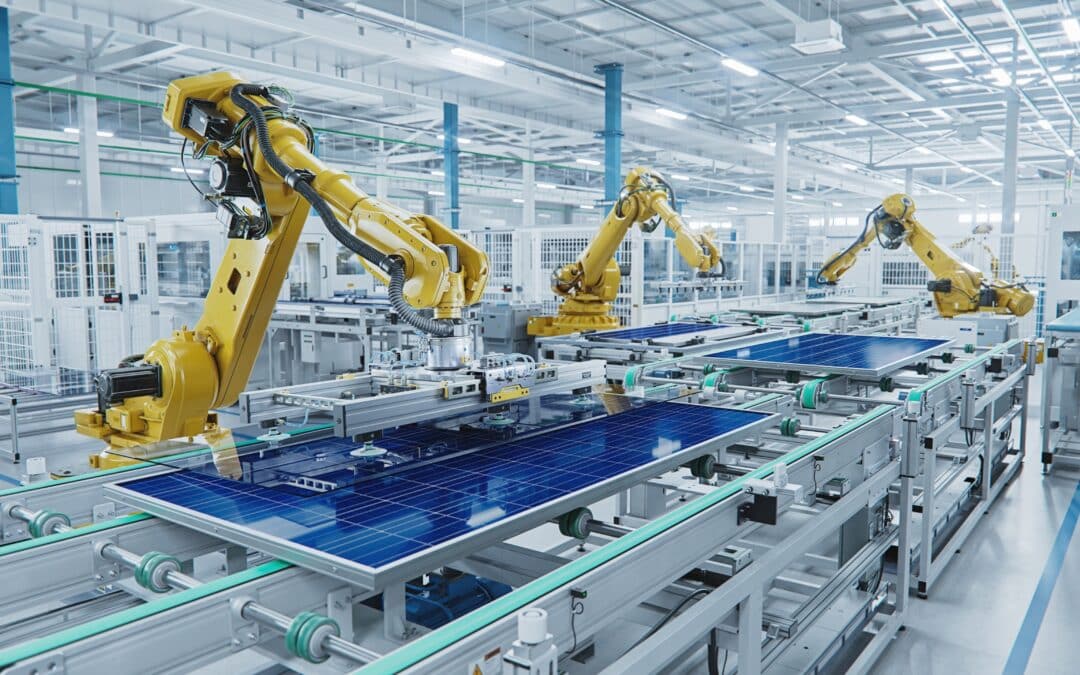
The manufacturing industry is undergoing rapid transformation as digital technologies become more integrated into daily operations. Among these advancements, predictive analytics stands out for its ability to turn raw factory data into actionable insights. By leveraging historical and real-time information, manufacturers can anticipate equipment failures, optimize production schedules, and reduce waste. Understanding how predictive analytics is applied in factories is essential for leaders aiming to boost efficiency and remain competitive in a data-driven world.
This article explores the practical uses of predictive analytics in industrial environments, highlighting real-world applications, benefits, and best practices. For those interested in related topics, you might also find value in resources like motion blur composition examples, which showcase how data-driven techniques can enhance creativity and precision in other fields.
Understanding Predictive Analytics in Industrial Settings
Predictive analytics refers to the use of statistical algorithms, machine learning, and data mining to forecast future outcomes based on historical data. In the context of manufacturing, this approach involves collecting data from sensors, machines, and production lines to identify patterns and predict potential issues before they occur.
Factories generate vast amounts of data every day—from machine temperatures and vibration levels to production output and maintenance logs. By analyzing these data streams, predictive models can detect subtle changes that may indicate equipment wear, process inefficiencies, or quality deviations. This proactive approach enables manufacturers to address problems before they escalate, minimizing downtime and maximizing productivity.
Key Applications of Predictive Analytics in Manufacturing
The adoption of predictive analytics in factories is reshaping traditional manufacturing processes. Here are some of the most impactful ways it is being used:
- Predictive Maintenance: By monitoring equipment health in real time, predictive models can forecast when a machine is likely to fail. This allows maintenance teams to schedule repairs at optimal times, reducing unplanned downtime and extending asset lifespans.
- Quality Control: Analytics can identify patterns that lead to product defects, enabling early intervention and reducing waste. By correlating process variables with quality outcomes, manufacturers can fine-tune operations for consistent results.
- Supply Chain Optimization: Predictive tools help anticipate demand fluctuations, inventory needs, and potential bottlenecks. This ensures smoother production flows and more accurate delivery timelines.
- Energy Management: Factories can use data-driven insights to optimize energy consumption, identify inefficiencies, and lower operational costs.
- Process Optimization: By analyzing production data, manufacturers can uncover opportunities to streamline workflows, improve throughput, and enhance overall efficiency.
Benefits of Using Predictive Analytics for Factory Operations
Implementing predictive analytics in industrial environments brings a range of benefits that go beyond simple automation. Some of the most significant advantages include:
- Reduced Downtime: By anticipating failures, factories can avoid costly disruptions and keep production lines running smoothly.
- Lower Maintenance Costs: Scheduled, data-driven maintenance is typically less expensive than emergency repairs and extends the life of critical assets.
- Improved Product Quality: Early detection of anomalies helps maintain high standards and reduces the risk of defective products reaching customers.
- Enhanced Decision-Making: Data-driven insights empower managers to make informed choices about resource allocation, scheduling, and process improvements.
- Greater Flexibility: Predictive models allow factories to adapt quickly to changing market conditions, demand shifts, or supply chain disruptions.
How Factories Implement Predictive Analytics Solutions
The journey to predictive analytics adoption typically involves several key steps:
- Data Collection: Factories deploy sensors and IoT devices to gather information from machines, production lines, and environmental conditions.
- Data Integration: Collected data is centralized in a platform where it can be cleaned, standardized, and made accessible for analysis.
- Model Development: Data scientists and engineers build and train predictive models to recognize patterns and forecast outcomes.
- Deployment: Predictive models are integrated into factory systems, providing real-time alerts and recommendations to operators and managers.
- Continuous Improvement: Models are refined over time as more data becomes available, ensuring ongoing accuracy and relevance.
For a deeper look at the broader context of digital transformation in manufacturing, the smart factory concept provides valuable background on how interconnected systems and analytics are shaping the future of production.
Challenges and Considerations for Industrial Analytics
While the benefits are clear, implementing predictive analytics in factories comes with its own set of challenges:
- Data Quality: Inaccurate or incomplete data can lead to unreliable predictions. Ensuring high-quality data collection is essential.
- Integration Complexity: Connecting legacy equipment and disparate systems can require significant investment and technical expertise.
- Change Management: Employees may need training to trust and use new analytics tools effectively.
- Security Concerns: As more devices connect to factory networks, cybersecurity becomes increasingly important.
Addressing these obstacles requires collaboration between IT, operations, and leadership teams. A phased approach, starting with pilot projects and scaling up as capabilities mature, often yields the best results.
Future Trends in Factory Analytics
The use of predictive analytics in manufacturing is expected to grow as technologies evolve. Key trends shaping the future include:
- Artificial Intelligence Integration: Advanced AI algorithms are making predictions more accurate and actionable.
- Edge Computing: Processing data closer to the source reduces latency and enables faster decision-making on the factory floor.
- Greater Interconnectivity: The rise of Industrial Internet of Things (IIoT) devices is expanding the scope and depth of available data.
- Self-Optimizing Systems: Factories are moving toward autonomous operations, where systems not only predict but also automatically adjust processes in real time.
As these trends continue, the role of predictive analytics will only become more central to manufacturing success.
Frequently Asked Questions
What types of data are used for predictive analytics in factories?
Factories utilize a wide range of data sources, including sensor readings (temperature, vibration, pressure), machine logs, production output, maintenance records, and even environmental conditions. The combination of these data points enables comprehensive analysis and accurate forecasting.
How does predictive maintenance differ from traditional maintenance?
Traditional maintenance often relies on fixed schedules or reactive repairs after a breakdown occurs. Predictive maintenance, on the other hand, uses data analysis to anticipate failures, allowing for timely interventions that minimize downtime and reduce costs.
Is predictive analytics suitable for small and medium-sized manufacturers?
Yes, advances in cloud computing and affordable IoT devices have made predictive analytics accessible to manufacturers of all sizes. Starting with targeted pilot projects can help smaller factories realize value without large upfront investments.